Are KitchenAid Bowls Microwave Safe: Safety Guide
Introduction
Some KitchenAid bowls are microwave safe, but KitchenAid mixer bowls are not all made from the same material. Stainless steel bowls must not go in a microwave. Certain KitchenAid glass and ceramic bowls are designed for microwave use, but you should confirm the exact model before heating food.
For cooks in the United States, the safest rule is simple: check the bowl’s model number, packaging, base markings, or user manual before using it in a microwave. A bowl that fits a KitchenAid stand mixer is not automatically microwave safe.
Quick answer: Which KitchenAid bowls can go in the microwave?
Use this guide as a starting point:


| KitchenAid bowl material | Microwave safe? | Main reason |
|---|---|---|
| Stainless steel | No | Metal can spark and damage the microwave |
| Glass | Some are | Depends on the exact KitchenAid model and condition |
| Ceramic | Some are | Many are rated for microwave use, but model instructions control |
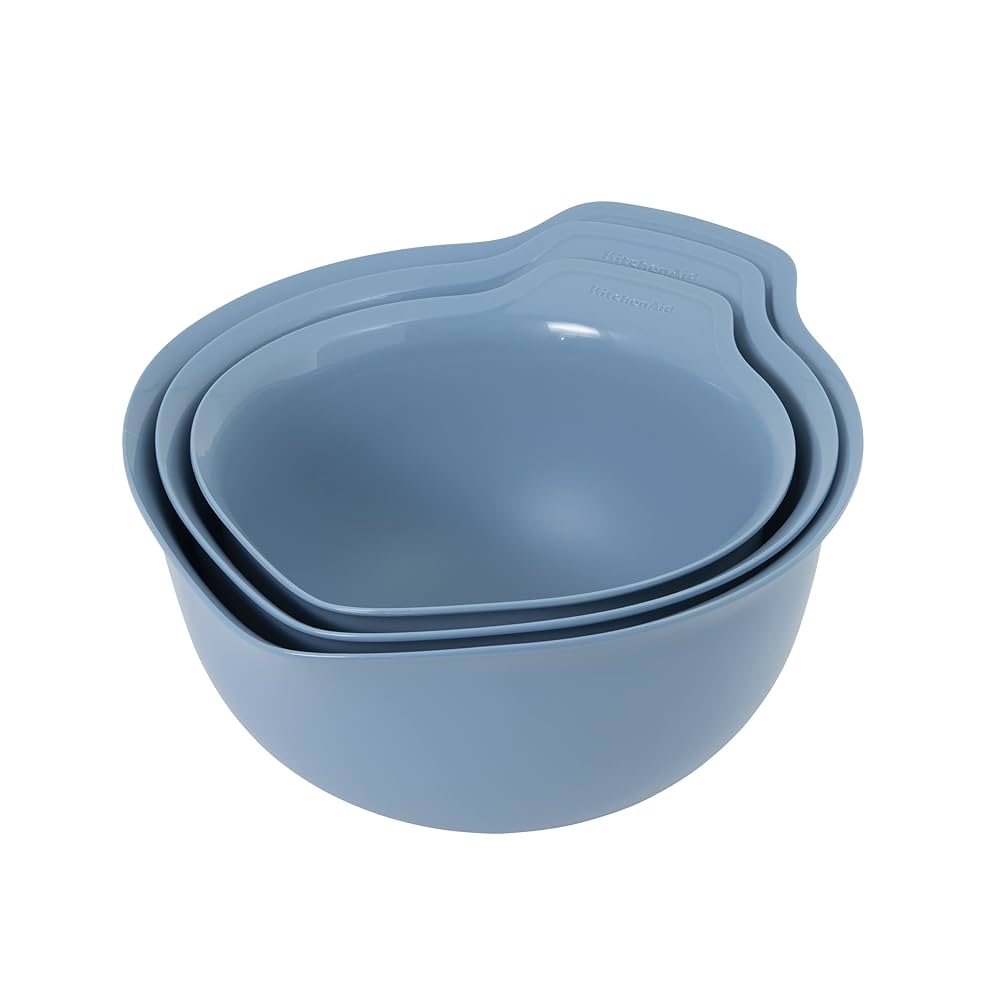
| Plastic | Some may be | The plastic type and product label determine safe use |
| Bowl with metallic trim or decoration | No | Metal details can spark |
| Damaged, cracked, or chipped bowl | No | Heat can worsen damage or cause breakage |
The most reliable answer is not based on the KitchenAid brand alone. It depends on the bowl’s material, model, condition, and markings.
KitchenAid lists microwave use as a feature for some specific glass and ceramic mixer bowls. For example, product information for certain KitchenAid glass bowls states that they are microwave, freezer, and oven safe within the listed limits. KitchenAid ceramic bowl instructions also identify microwave use for certain models. These claims apply to those documented products, not to every KitchenAid bowl.
Why stainless steel KitchenAid bowls are not microwave safe
A stainless steel KitchenAid bowl should never go inside a microwave oven.
Microwaves use electromagnetic energy to heat food. Metal reflects much of that energy instead of allowing it to pass through the food. This can cause:
- Sparks or electrical arcing
- Damage to the microwave’s interior
- Damage to the microwave’s magnetron or other parts
- A fire risk in some situations
- Uneven heating
The bowl may not spark every time, but that does not make it safe. Shape matters, too. Sharp edges, handles, rims, and small gaps can increase the chance of arcing.
Do not use these workarounds:
- Do not place the stainless steel bowl inside another container in the microwave.
- Do not cover it with plastic wrap and assume it is safe.
- Do not microwave it for “only a few seconds.”
- Do not use it if the bowl has a metal coating, trim, or decorative detail.
If food is in a stainless steel KitchenAid bowl, transfer the food to a microwave-safe glass or ceramic container before heating it.

Are KitchenAid glass bowls microwave safe?
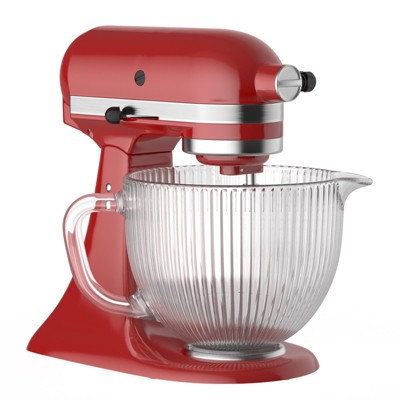
Some KitchenAid glass bowls are microwave safe when the specific model is labeled or documented for microwave use. Do not assume that every glass bowl is safe just because it is made of glass.
A compatible KitchenAid glass bowl may be useful for tasks such as:
- Melting butter
- softening cream cheese
- Warming sauces
- Heating ingredients before mixing
- Melting chocolate with careful temperature control
Before using one, check the following:


- Find the model number on the bowl, packaging, or product paperwork.
- Search that model on KitchenAid’s official U.S. website.
- Read the care and use instructions.
- Look for microwave-safe wording or a microwave symbol.
- Inspect the bowl for cracks, chips, deep scratches, or cloudy areas.
- Follow any time, temperature, or handling limits.
Glass can break from thermal shock, which happens when a large temperature change occurs quickly. For example, placing a frozen glass bowl directly into a hot microwave or setting a hot bowl on a cold, wet surface may increase stress on the glass.
Even a microwave-safe glass bowl needs careful handling. Use oven mitts, expect the bowl to become hot, and avoid sudden temperature changes.
Can a KitchenAid glass bowl go from the freezer to the microwave?
Do not assume that freezer-safe means safe for every freezer-to-microwave transition.
Some KitchenAid glass bowls are advertised for freezer and microwave use. That means the product has been designed for those uses under the manufacturer’s stated conditions. It does not mean that any frozen bowl can be heated at any power level without risk.
For best results:
- Check the exact model instructions.
- Remove lids unless the lid is specifically microwave safe.
- Use a lower power setting for dense or frozen food.
- Heat in short intervals.
- Stir between intervals when possible.
- Let the bowl rest if it becomes very cold or very hot.
- Never use a cracked or chipped bowl.
Are KitchenAid ceramic bowls microwave safe?
Some KitchenAid ceramic mixer bowls are microwave safe, but the answer depends on the model.
Ceramic bowls are often designed for both mixing and serving. Some KitchenAid ceramic bowls include microwave, oven, freezer, and dishwasher ratings. However, ceramic products can vary in glaze, thickness, shape, and construction.
Do not use a ceramic bowl in the microwave if it has:
- Gold, silver, or other metallic decoration
- A metal handle or attachment
- Cracks in the glaze or body
- Chips around the rim
- Signs of overheating or discoloration
- No clear microwave-safe instructions when the model is unknown
Ceramic may heat unevenly. The bowl itself can become hot even when the food does not seem very warm. Always lift it with a dry oven mitt or thick towel.
Also remember that microwave safe does not always mean oven safe. A product may be rated for microwave heating but not for a conventional oven, broiler, stovetop, or direct flame. Treat each rating as separate.

How to check whether your KitchenAid bowl is microwave safe
Use this process when you are unsure.
1. Identify the bowl material
Look at the bowl and its base.
- Shiny silver metal usually means stainless steel.
- Clear or translucent material usually means glass.
- Opaque, glazed material usually means ceramic.
- Lightweight colored material may be plastic or coated metal.
If you cannot identify the material, do not microwave the bowl until you confirm it.
2. Find the model number
The model number may appear:


- On the bottom of the bowl
- On a label or sticker
- In the original box
- In the product manual
- On the purchase record
- In the KitchenAid product registration record
A model number is more useful than a general description such as “5-quart KitchenAid bowl.” KitchenAid makes bowls in different materials and for different mixer models.
3. Check KitchenAid’s official product information
Use the KitchenAid U.S. product page or the manual for the exact model. Look for phrases such as:
- Microwave safe
- Microwave and freezer safe
- Safe for microwave use
- Care and use instructions
- Do not microwave
KitchenAid’s official product pages and manuals are the best sources for documented compatibility. Retailer listings can contain errors or combine details from similar products.
4. Inspect for metal
Do not microwave the bowl if it has:
- Stainless steel construction
- Metal trim
- Metallic paint
- A metal logo or accent
- A metal handle
- A metal insert
When in doubt, treat visible metal as a “no.”
5. Inspect the condition
A bowl that was once microwave safe may no longer be suitable if it is damaged. Reject it for microwave use if you see cracks, chips, deep scratches, loose coating, or severe discoloration.
6. Follow the most restrictive instruction
If the box says microwave safe but the manual says not to use it in a microwave, follow the manual or contact KitchenAid support. If you cannot verify the model, use a known microwave-safe container instead.
How to microwave food in a compatible KitchenAid bowl
If the exact bowl is documented as microwave safe, use these steps:
- Remove the bowl from the mixer. Never microwave a bowl while it is attached to a stand mixer.
- Remove the mixer attachment. Beaters, whisks, dough hooks, and other metal parts must stay out of the microwave.
- Remove the lid unless the lid is specifically microwave safe.
- Place the bowl in the center of the microwave.
- Use short heating intervals, such as 10 to 30 seconds for small amounts.
- Stir between intervals when the food allows it.
- Use a lower power setting for chocolate, butter, dairy, and thick sauces.
- Check the bowl’s temperature before handling it.
- Use dry oven mitts to remove the bowl.
- Let the food rest before mixing or serving.
The goal is controlled heating, not maximum heat. Short intervals reduce the risk of scorching food and lower the chance of thermal stress.
Common foods and the safest bowl choice
The best bowl depends on both the food and the bowl’s verified rating.
| Task | Safer choice |
|---|---|
| Melt butter | Verified microwave-safe glass or ceramic |
| Melt chocolate | Microwave-safe glass, low power, short intervals |
| Warm milk | Microwave-safe glass or ceramic; use a large bowl to prevent overflow |
| Heat soup | Microwave-safe glass or ceramic container |
| Mix dough | Stainless steel bowl, but transfer food before microwaving |
| Chill dough | Follow the bowl’s freezer rating |
| Warm yeast mixture | Microwave-safe bowl with careful temperature checks |
| Reheat leftovers | A separate microwave-safe food container is often easiest |
For chocolate and butter, use short bursts and stir often. These foods can look solid while becoming very hot in small areas.
For yeast mixtures, overheating can harm the yeast and make the mixture too hot to use. A food thermometer can help when temperature matters, but use the recipe’s temperature guidance rather than guessing.
Can you microwave a KitchenAid bowl with a cover?
Only if the cover is also labeled microwave safe.
A glass or ceramic bowl may be microwave safe while its cover is not. Covers can contain plastic that warps, melts, or releases odors when heated. Some lids also trap steam and may pop off or become difficult to remove.


Before microwaving:
- Check the cover for a microwave-safe label.
- Open a vent if the instructions require it.
- Do not seal the cover tightly unless it is designed for steam release.
- Keep plastic wrap from touching hot food unless its label allows that use.
- Never microwave a metal cover or metal-accented lid.
If the cover’s rating is unclear, heat the food without the cover and use a microwave-safe splatter guard instead.
Can a KitchenAid bowl go in the oven?
Microwave safety and oven safety are different ratings. A bowl may be safe in one appliance and unsafe in another.
Check the manufacturer’s instructions for the exact bowl before using it in a conventional oven. Confirm:
- Maximum oven temperature
- Whether preheating is required
- Whether broiler use is prohibited
- Whether the bowl can move from freezer to oven
- Whether the bowl needs to sit at room temperature first
Never place a cold glass or ceramic bowl into a hot oven unless the product instructions specifically allow that use. Thermal shock can cause sudden breakage.
Stainless steel bowls may tolerate some oven conditions, but that does not make them microwave safe. The appliance rating must match the appliance you plan to use.

What to do if a KitchenAid bowl sparks in the microwave
Stop the microwave immediately if you see sparks, hear popping, smell burning, or notice smoke.
Then:
- Press the stop or cancel button.
- Unplug the microwave if it is safe to do so.
- Leave the door closed briefly if there is a flame.
- Remove the bowl only after the microwave and bowl are safe to handle.
- Inspect the microwave for scorch marks or damage.
- Do not use the bowl again until you identify the cause.
A metal bowl, metallic decoration, foil, or a damaged microwave rack may cause arcing. If the microwave continues to spark with a known microwave-safe container and ordinary food, stop using it and arrange service from a qualified appliance technician.
Do not restart the microwave just to test the bowl. That can increase damage and fire risk.
KitchenAid bowl microwave safety mistakes to avoid
These are the most common errors:
Assuming all KitchenAid bowls are alike
KitchenAid sells bowls made from different materials. Brand identity does not determine microwave safety.
Testing an unknown bowl for a few seconds
A short test can still cause arcing, and it does not prove long-term safety. Use documented instructions instead.
Ignoring metal details
A small metallic rim or painted accent can create the same problem as a metal bowl.
Heating an empty bowl
Do not microwave an empty bowl unless the manufacturer specifically gives instructions for doing so. Empty containers can heat in unpredictable ways.
Using a damaged bowl
Cracks and chips can grow during heating. Damaged glass or ceramic should be replaced.
Treating “oven safe” as “microwave safe”
These are separate claims. Always check the rating for the appliance in use.
Leaving the bowl attached to the mixer
A stand mixer is not a microwave accessory. Remove the bowl, attachment, and any other mixer parts first.

KitchenAid bowl microwave safety: final decision guide
Use this quick decision tree:
- Is the bowl stainless steel? Do not microwave it.
- Does it have metal trim or decoration? Do not microwave it.
- Is it glass or ceramic? Check the exact model instructions.
- Is the model unknown? Transfer the food to a verified microwave-safe container.
- Is the bowl cracked, chipped, or damaged? Do not microwave it.
- Is the cover included? Check the cover separately.
- Are you moving it from freezer to microwave? Confirm that the manufacturer allows that use and avoid sudden temperature changes.
The safest practical choice is often to mix ingredients in the KitchenAid bowl, then transfer them to a labeled microwave-safe glass or ceramic container for heating.
FAQs
Are KitchenAid stainless steel bowls microwave safe?
No. Stainless steel is metal and should not be placed in a microwave. Transfer the food to a microwave-safe glass or ceramic container.
Are KitchenAid glass mixing bowls microwave safe?
Some are. Check the exact KitchenAid model and its care instructions. Do not use a glass bowl that is cracked, chipped, or exposed to sudden temperature changes.
Are KitchenAid ceramic bowls microwave safe?
Some KitchenAid ceramic bowls are documented as microwave safe. Confirm the model, and do not use one with metallic decoration or damage.
Can I microwave food in a KitchenAid bowl while it is on the mixer?
No. Remove the bowl from the mixer first. Keep the stand mixer, attachment, and other metal parts away from the microwave.
Can I put a KitchenAid bowl in the microwave with its lid on?
Only when the lid is specifically labeled microwave safe and the instructions explain how to vent it. Otherwise, remove the lid.
What should I do if I cannot find the model number?
Do not guess. Use a known microwave-safe container, or contact KitchenAid with a description and photos of the bowl.
Conclusion
KitchenAid bowls are not automatically microwave safe. Stainless steel bowls should never go in a microwave, while some glass and ceramic models are designed for microwave use.
Check the exact model, read the manufacturer’s instructions, inspect the bowl for damage, and treat lids and metal details as separate safety questions. If there is any doubt, transfer the food to a clearly labeled microwave-safe container.

Appliance Review Expert
Lucas Ramirez is a trusted voice at HomeFixGrid.com, known for his clear, practical, and creatively written guides that simplify appliance care for everyday homeowners. With a strong focus on hands-on testing and real-world problem-solving, Lucas brings expert insight into appliance reviews and troubleshooting techniques. Her work empowers readers to confidently maintain, repair, and choose the right appliances for their homes.