What Should Refrigerator Temperature Be: Ideal Setting
Introduction
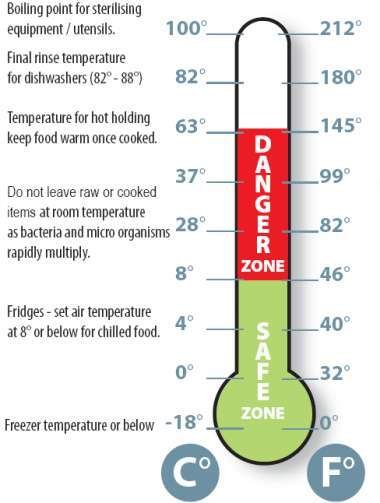
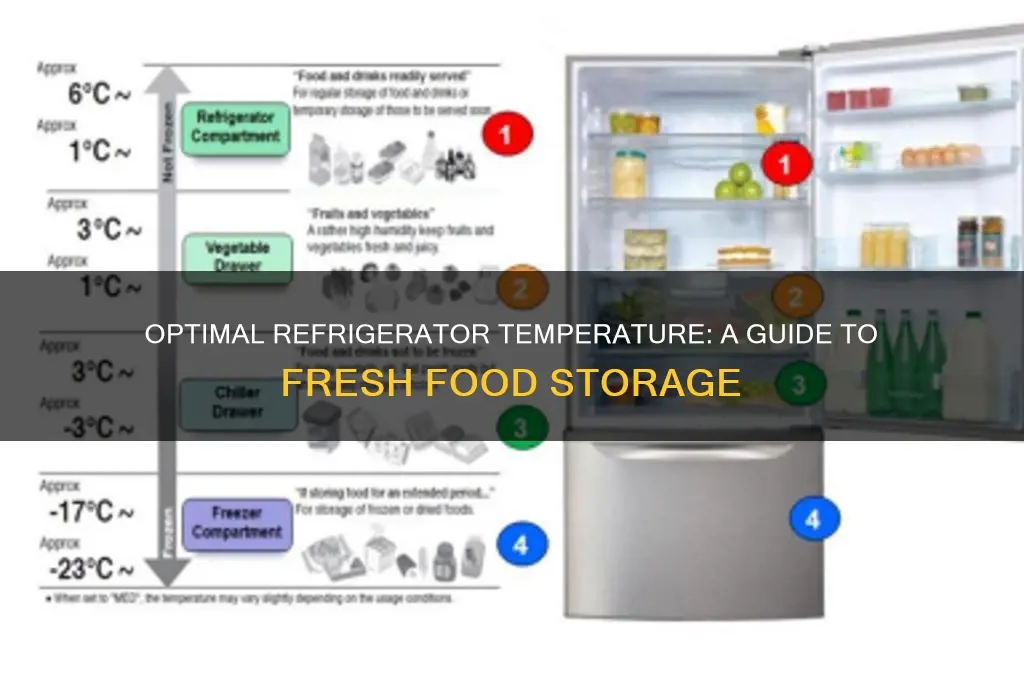
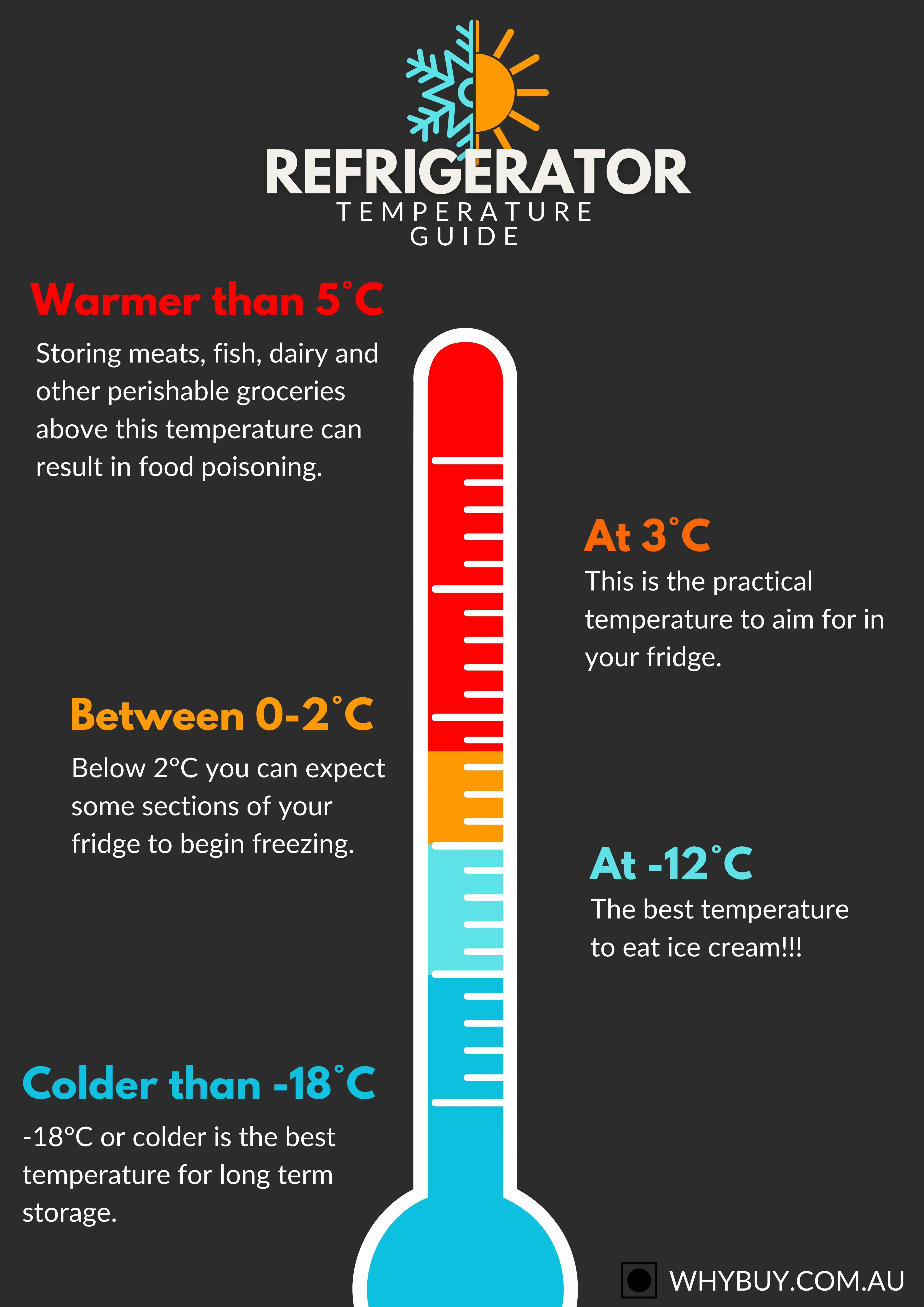
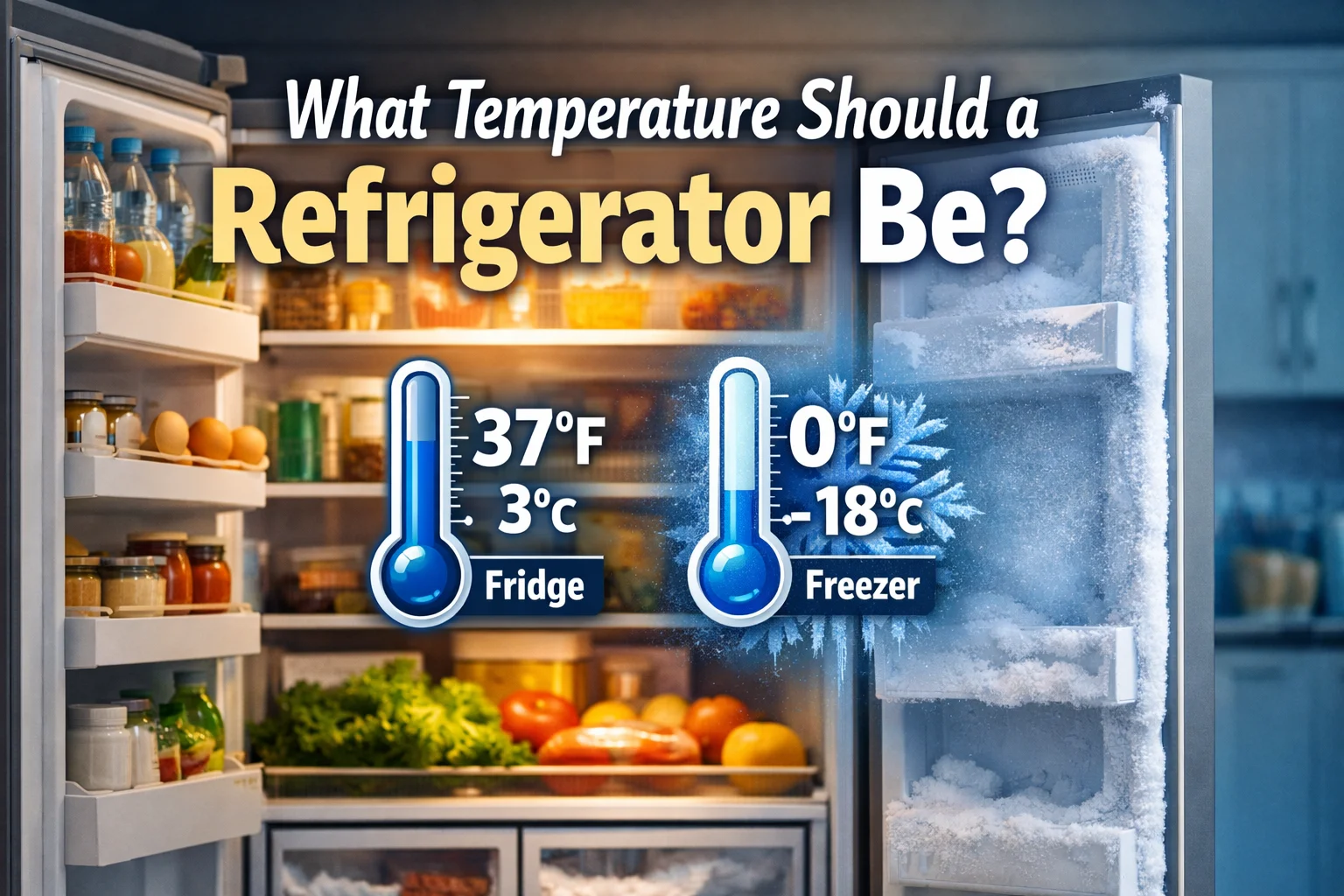
For a refrigerator in a U.S. home, set the temperature to 40°F or below. A setting near 37°F is a useful target because it gives food a safety buffer without freezing most fresh foods.
Use a refrigerator thermometer to check the real temperature. The number on the control dial may not match the air near your food. Keep the freezer at 0°F.

The Best Refrigerator Temperature in Fahrenheit
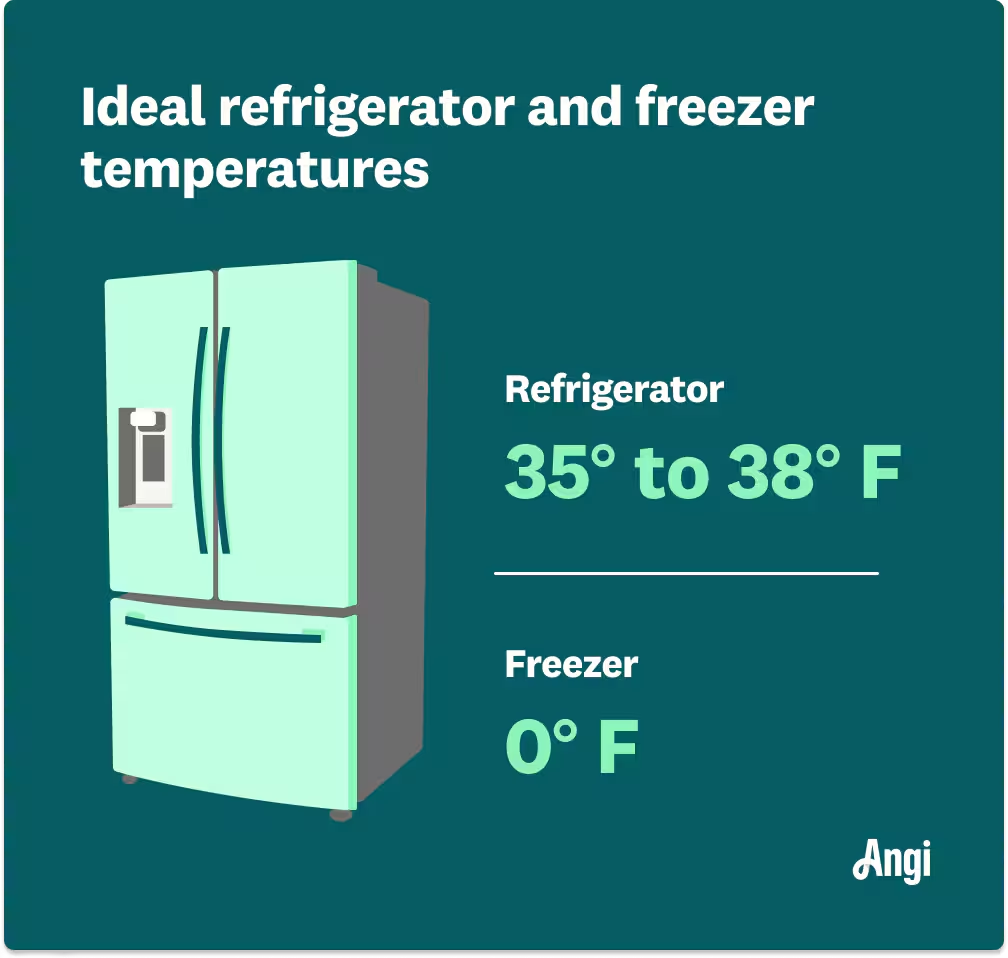
The U.S. Food and Drug Administration (FDA) says a refrigerator should stay at 40°F or below. The U.S. Department of Agriculture (USDA) also uses 40°F as the upper limit for cold food storage.


A setting of 37°F works well for many homes. It is cold enough to slow the growth of harmful bacteria, but it is usually warm enough to protect lettuce, milk, eggs, and other fresh foods from freezing.
Use this simple guide:
| Appliance or food area | Recommended temperature |
|---|---|
| Refrigerator | 40°F or below |
| Practical refrigerator target | 37°F |
| Freezer | 0°F |
| Cold food safety limit | 40°F |
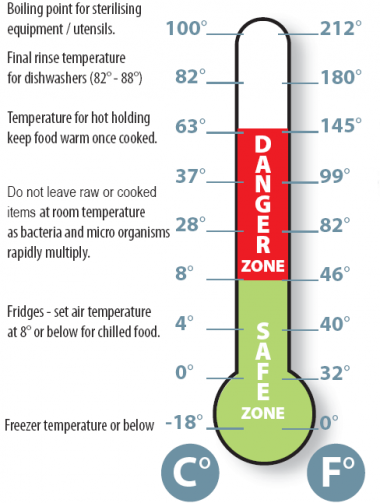
| Bacterial growth danger zone | 40°F to 140°F |
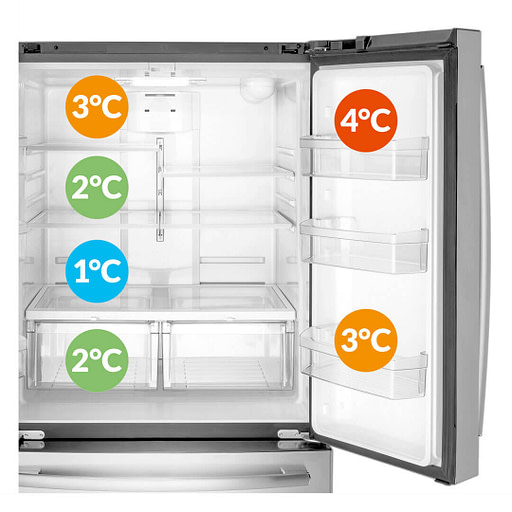
The temperature can vary from shelf to shelf. The door is often warmer than the back of the refrigerator. The back wall may be colder and can freeze food if items sit too close to it.
A safe refrigerator is not just “cold.” It must stay cold enough for long enough. Food can become unsafe even when it still looks, smells, and tastes normal.
Why 40°F Matters for Food Safety
Cold temperatures slow bacterial growth, but they do not stop it completely. The colder your refrigerator stays, the more slowly many bacteria can grow.
The USDA calls temperatures between 40°F and 140°F the “danger zone.” Perishable food should spend as little time as possible in this range. This includes meat, poultry, seafood, eggs, dairy products, cooked food, and cut produce.
The FDA advises that perishable food should not stay at room temperature for more than:
- Two hours in normal indoor conditions
- One hour when the air temperature is above 90°F, such as during a hot summer day
These limits apply during meals, shopping, power outages, and food preparation. A refrigerator set to 37°F cannot make food safe again after it has been warm too long.
The 40°F rule is a safety limit, not a promise that food will last forever. Storage time still matters. For example, the USDA generally advises using cooked leftovers within three to four days when they have been kept at 40°F or below.


How to Check Your Refrigerator Temperature
The most reliable way to check the temperature is to use a separate appliance thermometer. Do not rely only on the dial, digital display, or a phone app.
Follow these steps:
- Place the thermometer in a glass of water.
- Put the glass on the middle shelf.
- Leave it inside for several hours, or overnight.
- Check the reading without leaving the door open for long.
- Adjust the refrigerator control if needed.
- Check the temperature again after about 24 hours.
The glass of water helps measure the temperature of food rather than a brief burst of warm air. Opening the door can cause a short-term change that does not show the usual storage temperature.
If the reading is above 40°F, lower the setting slightly and check again later. If food has already been above 40°F for an unknown length of time, use caution. When in doubt, throw out high-risk food rather than tasting it to test safety.
A thermometer reading below 32°F may mean the refrigerator is too cold for some foods. Move delicate foods away from the rear wall and raise the setting slightly.

Where to Put Food in the Refrigerator
Food placement affects both temperature and safety. Keep the most perishable food in the coldest stable part of the refrigerator, not in the door.
Best locations for common foods
- Top and middle shelves: Ready-to-eat foods, yogurt, cheese, and drinks
- Lower shelf: Raw meat, poultry, and seafood in sealed containers
- Crisper drawers: Produce that needs controlled humidity
- Refrigerator door: Condiments and other foods that do not spoil quickly
- Covered lower shelf: Foods that could leak or drip
Keep raw meat below ready-to-eat food. This helps prevent raw juices from dripping onto food that will not be cooked.
Do not store eggs in the door if your refrigerator has an egg tray there. The door has more temperature change than the main compartment. Keep eggs in their carton on an inside shelf unless the product label gives different instructions.
Leave space around vents and between food containers. Cold air must move through the compartment. A very full refrigerator can develop warm spots, while an almost empty refrigerator may change temperature more quickly when the door opens.
What to Do If Your Refrigerator Is Too Warm
If your refrigerator stays above 40°F, check the simple causes first.
1. Check the door seal
Close the door on a sheet of paper. If the paper slides out with little resistance, the gasket may not seal well. Clean the gasket with warm, soapy water and check for cracks or gaps.
2. Check the temperature setting
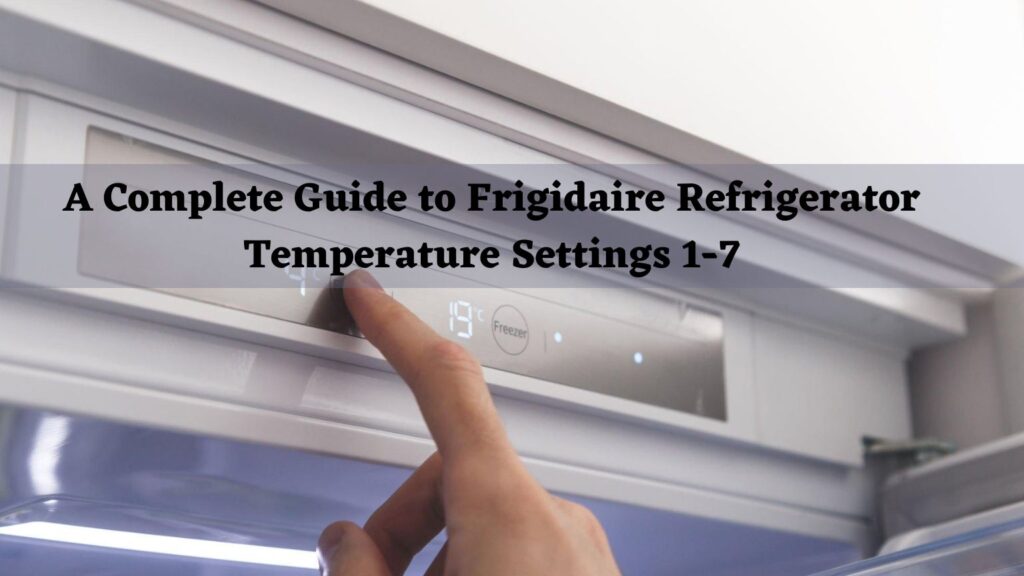
A control marked from 1 to 5 may not use the same scale as another refrigerator. On some models, a higher number means colder. On others, the display shows the target temperature.
Read the owner’s manual if the control is unclear. Make a small adjustment, then wait about 24 hours before judging the result.


3. Check airflow
Food or containers may block the cold-air vents. Move items away from the vents and avoid packing food tightly against the back wall.
4. Check the location
A refrigerator may struggle if it sits next to an oven, in direct sunlight, or in a very hot garage. Make sure the unit has the clearance required by the manufacturer.
5. Check for heavy frost
A thick layer of frost can block airflow in some models. Follow the manual for safe defrosting. Do not use a knife or sharp tool to remove ice.
6. Protect food while you troubleshoot
Move perishable food to a working refrigerator or a cooler with ice if the unit cannot stay at 40°F or below. Keep the cooler at 40°F or below as well.
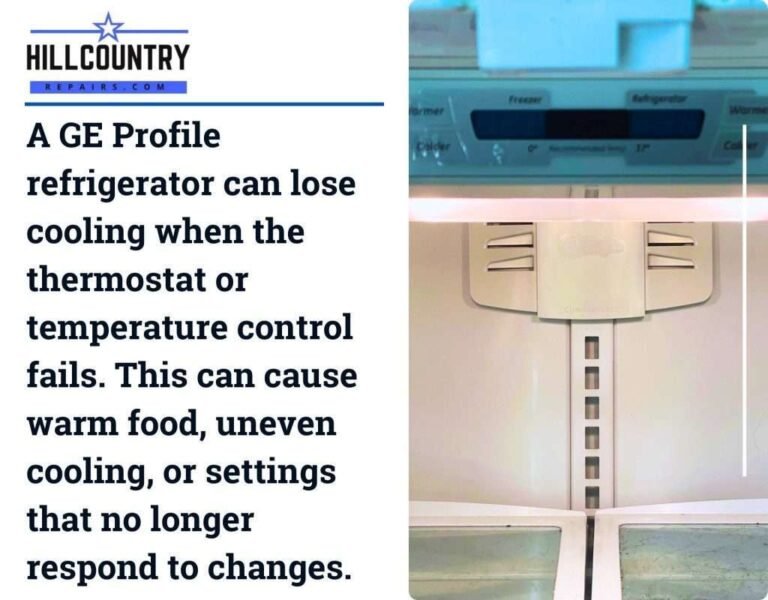
If the refrigerator still runs warm after these checks, the problem may involve the fan, thermostat, sensor, compressor, or sealed cooling system. A qualified appliance technician can diagnose those parts safely.
What to Do If Your Refrigerator Is Too Cold
A refrigerator that drops below 32°F can freeze lettuce, fruit, milk, and other foods. Ice crystals, hard produce, and frozen drinks are common signs.
Try these steps:
- Move food away from the back wall and air vents.
- Confirm that the temperature setting is not too low.
- Check whether a “quick cool” or similar mode is active.
- Make sure the door closes fully.
- Place a thermometer on the middle shelf.
- Wait several hours after making an adjustment.
- Contact a repair professional if the temperature keeps falling below freezing.
Do not judge the whole refrigerator by one frozen item. Cold air may collect in one location while the rest of the compartment stays within range. Check more than one shelf if the problem continues.
Some refrigerators have separate controls for the refrigerator and freezer sections. Changing the freezer control may affect refrigerator airflow, so check the manual before making large changes.

How Often Should You Check the Temperature?
Check the temperature at least once a week if you have a basic refrigerator thermometer. Also check it after a power outage, a move, a repair, or a long period of heavy use.
Check sooner when:
- The refrigerator feels unusually warm
- Food freezes on one shelf
- The door was left open
- The kitchen is very hot
- You add a large amount of warm food
- The unit makes new or unusual sounds
- The thermometer reading changes often
A refrigerator may need several hours to return to its normal temperature after a large grocery trip. Let hot food cool briefly before refrigeration, but do not leave perishable food out for hours. Divide large amounts into shallow containers so they cool faster.
Do not put very hot food directly next to delicate food. It can raise the temperature around nearby items. Refrigerate leftovers within the USDA’s recommended time limits rather than waiting for them to cool completely at room temperature.


Refrigerator Temperature During a Power Outage
Keep the refrigerator and freezer doors closed during a power outage. A closed refrigerator can usually keep food cold for about four hours, according to the USDA, though the exact time depends on room temperature, how full the appliance is, and how often the door opens.
A full freezer usually stays cold longer than a partly full freezer. If you have access to ice, place it in a cooler with perishable food and use a thermometer to confirm that the food stays at 40°F or below.
When power returns, check the food temperature if possible. Do not use smell or appearance as the only test. Harmful bacteria may be present without changing the food’s smell or look.
When frozen food still contains ice crystals or is 40°F or below, it may be safe to refreeze, although quality can decline. Foods that have been above 40°F for too long should be discarded.
For detailed outage guidance, use the USDA’s Food Safety and Inspection Service information.
Common Refrigerator Temperature Mistakes
Setting the refrigerator as cold as possible
Colder is not always better. Temperatures near or below freezing can damage fresh food, waste energy, and hide a problem with airflow or a sensor.
Trusting the control dial
A dial setting is not the same as a verified temperature. Use a thermometer.
Keeping milk in the door
The door is one of the warmest parts of many refrigerators. Keep milk and other highly perishable foods on an inside shelf.
Overfilling the refrigerator
A packed compartment blocks airflow. Leave room around vents and allow cold air to circulate.
Leaving too much empty space
An almost empty refrigerator may warm quickly every time the door opens. Store safe, nonperishable items inside to help fill space, but do not block vents.
Using smell as a safety test
Some dangerous bacteria do not create a bad odor. When temperature or storage time is uncertain, do not taste the food to decide whether it is safe.
Putting raw meat above ready-to-eat food
Store raw meat, poultry, and seafood in sealed containers on the lowest shelf. This limits the risk of drips contaminating other food.
Quick Takeaways
- Set the refrigerator to 40°F or below.
- A target near 37°F works well for many homes.
- Keep the freezer at 0°F.
- Use an appliance thermometer to verify the real temperature.
- Keep the door warmer foods, such as condiments, in the door.
- Store raw meat on the lowest shelf in a sealed container.
- Keep food out of the 40°F-to-140°F danger zone.
- Discard perishable food that has been above 40°F too long.
- Call a qualified appliance technician if the refrigerator cannot hold a safe temperature.
Frequently Asked Questions
Is 35°F too cold for a refrigerator?
Not always, but 35°F is colder than most households need. It may cause lettuce, fruit, drinks, or food near the rear wall to freeze. A setting near 37°F gives a useful balance between food safety and freeze protection.
Is 42°F safe for a refrigerator?
No. The FDA and USDA use 40°F or below as the safe cold-storage limit for perishable food. A brief reading of 42°F may not mean all food must be discarded, but a refrigerator that stays at 42°F needs adjustment or repair.
Why is my refrigerator warm but my freezer cold?
The freezer may be making cold air, but a blocked vent, failed fan, ice buildup, or damper problem may prevent that air from reaching the refrigerator section. Check airflow and frost first. If the problem continues, arrange appliance service.
Should I set my refrigerator colder in summer?
You may need to lower the setting slightly if the room becomes very hot, but use a thermometer instead of changing it by guesswork. The goal remains a verified refrigerator temperature of 40°F or below.
How long does it take a refrigerator to reach a new temperature?
Many refrigerators need several hours, and sometimes about 24 hours, to settle after a temperature adjustment. Keep the door closed during this period and use a thermometer to confirm the final reading.
Conclusion
Set your refrigerator to 40°F or below, with 37°F as a practical target for many U.S. homes. Check the actual temperature with an appliance thermometer, keep raw foods separate, and leave space for cold air to move.
If the unit cannot stay at or below 40°F, protect the food first. Then check the door seal, airflow, frost, and settings before calling a qualified appliance repair professional.

Appliance Review Expert
Lucas Ramirez is a trusted voice at HomeFixGrid.com, known for his clear, practical, and creatively written guides that simplify appliance care for everyday homeowners. With a strong focus on hands-on testing and real-world problem-solving, Lucas brings expert insight into appliance reviews and troubleshooting techniques. Her work empowers readers to confidently maintain, repair, and choose the right appliances for their homes.