Can You Get Cancer From Microwaving Cup Noodles: The Facts
Introduction
No. Microwaving cup noodles does not make the noodles radioactive or cause cancer by itself. In the United States, microwave ovens use non-ionizing radiofrequency energy. This energy heats food but does not have enough power to damage DNA in the way that X-rays and other ionizing radiation can.
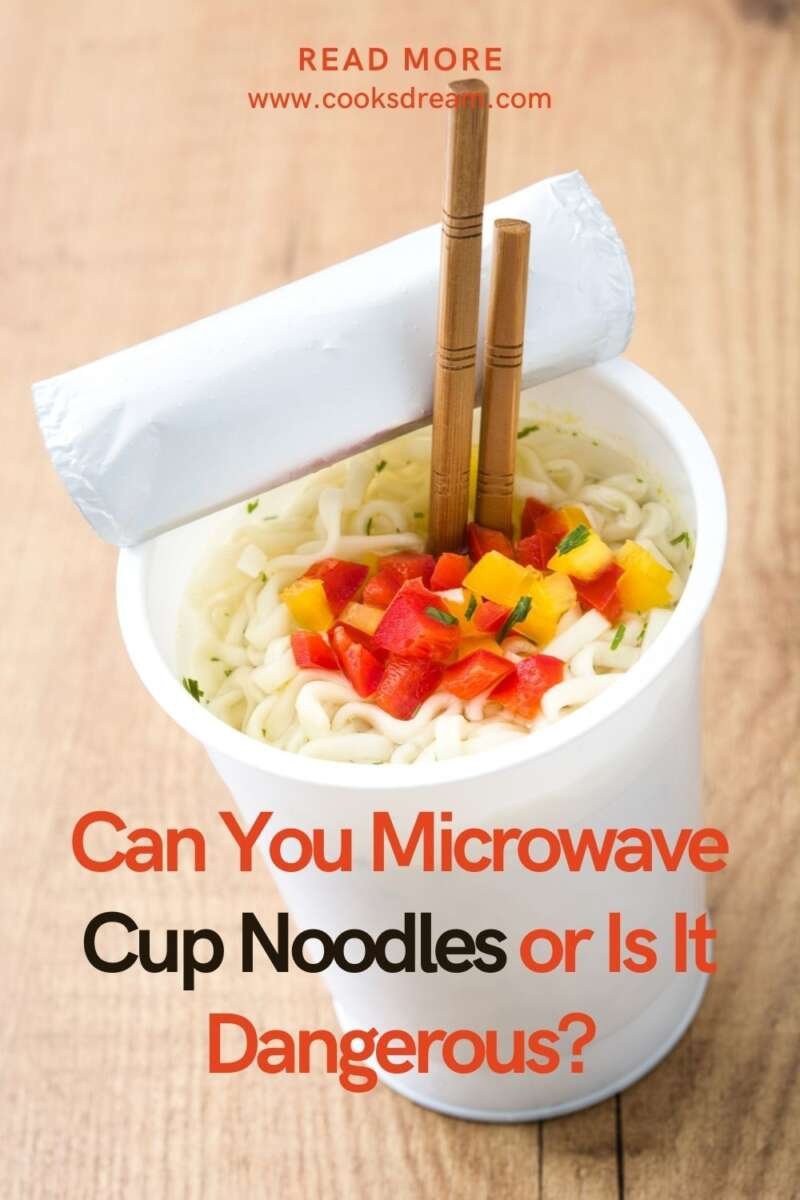
The bigger safety issue is the container. Some instant noodle cups are made for microwave use. Others are not. If the label says “do not microwave,” transfer the noodles to a microwave-safe glass or ceramic bowl before heating. The package instructions matter more than the phrase “cup noodles.”
Eating instant noodles often may also affect health because many products are high in sodium and low in fiber. That is a nutrition concern, not proof that microwaving the cup causes cancer.

The short answer: Microwaving cup noodles is not known to cause cancer
Microwave cooking is not known to cause cancer when the oven and container are used as directed. The U.S. Food and Drug Administration (FDA) regulates microwave ovens and explains that microwave energy is non-ionizing. It does not make food radioactive.
Cancer risk is linked to many factors, such as tobacco, alcohol, some infections, inherited traits, excess body weight, and long-term exposure to certain chemicals or types of radiation. Heating a labeled microwave-safe noodle container is not recognized as a cancer cause by the FDA or the National Cancer Institute.
Still, “not known to cause cancer” does not mean every way of heating noodles is safe. Problems can occur when people:
- Microwave a cup that says not to microwave it
- Use a damaged or melted container
- Heat noodles with too little water
- Touch the cup without care after heating
- Eat very hot food and burn the mouth or throat
- Eat high-sodium instant noodles very often
The safest rule is simple: follow the package directions, and use a bowl if the cup is not clearly microwave-safe.

Why microwave ovens do not make food radioactive
Microwave ovens heat food with radiofrequency energy. The energy makes water molecules move, which creates heat. The oven does not change the atoms in the food.
This differs from ionizing radiation. X-rays and gamma rays have enough energy to remove electrons from atoms and damage DNA. Microwave energy does not work that way.
A microwave oven also stops producing microwave energy when the door opens. A properly working oven keeps the energy inside the cooking chamber. The FDA sets safety standards for microwave ovens sold in the United States.
Microwaving can still change food in ordinary ways. It may heat water unevenly, dry out parts of the food, or cause steam to build up. Those effects involve heat and pressure. They are not evidence of cancer-causing radiation.
The key distinction is this:
| Concern | What microwaving cup noodles does |
|---|---|
| Makes food radioactive | No |
| Uses ionizing radiation | No |
| Creates heat | Yes |
| Can damage an unsuitable container | Yes |
| Can cause burns | Yes |
| Can make noodles high in sodium | The product already contains the sodium |
The oven is not the main concern. The container, heat, steam, and overall diet deserve more attention.

Is the cup itself safe to microwave?
The answer depends on the exact cup and its instructions. “Cup noodles” is a general term. Products sold in the United States may use paperboard, plastic, foam, or a combination of materials. Packaging also differs by brand and product line.
Look for clear directions on the label. A cup may say:
- “Microwaveable”
- “Microwave safe”
- “Remove lid and microwave”
- “Do not microwave”
- “Prepare with boiling water only”
If the label says do not microwave, do not microwave the cup. Empty the noodles and seasoning into a microwave-safe glass or ceramic bowl. Add water, heat the food in the bowl, and follow the cooking time on the package.
Do not assume that removing the metal lid makes every cup safe. The cup material may still be unsuitable for microwave heat. Some containers can soften, warp, leak, or release unwanted substances into food when heated.
Avoid microwaving a cup if:
- The package has no microwave directions
- The cup is cracked, crushed, or leaking
- The lining is peeling
- The cup has a metallic film or trim
- The label says to add boiling water rather than microwave
- The cup becomes soft, deformed, or unusually hot during use
A recycling symbol does not automatically mean that a container is microwave-safe. Recycling codes identify plastic types. They do not replace the manufacturer’s heating instructions.

Can chemicals from the cup cause cancer?
Food packaging is designed to limit the movement of chemicals into food. This movement is called migration. Heat, fat, acidity, contact time, and the type of packaging can affect migration.
That does not mean a heated cup causes cancer. It means the package should be used under the conditions for which it was designed. A container labeled for microwave use has been made for that intended use. A container labeled “boiling water only” has a different heating condition.
There is no good evidence that normal use of a microwave-safe noodle cup causes cancer. However, consumers should not make broad assumptions about every cup, because packaging materials and instructions differ.
The safest practical approach is:
- Read the cooking directions.
- Use the cup only as directed.
- Transfer the noodles to glass or ceramic when microwave use is not allowed.
- Do not reuse a disposable cup for repeated heating.
- Stop using a container that melts, cracks, or changes shape.
Claims that microwaving all plastic containers causes cancer are too broad. Claims that every plastic container is harmless under every condition are also too broad. The correct answer depends on the specific container and its intended use.

Does the type of cup matter?
Yes. The type of cup can change the safest preparation method.
Paperboard cups
Many paper cups have an inner coating that helps prevent leaks. Some are designed for hot water only. Others may include microwave instructions. Do not guess based on appearance.
Plastic cups
Plastic cups vary by material, thickness, and coating. A plastic container may be microwave-safe for one product but not for another. Follow the label rather than relying on the plastic’s appearance or recycling code.
Foam cups
Foam containers often carry instructions to use boiling water instead of a microwave. If the package says not to microwave the cup, transfer the noodles to a bowl.
Cups with metal
Metal rims, foil seals, metallic designs, or metal handles can spark in a microwave. Follow the package instructions. Remove only the parts the label tells you to remove.
When in doubt, a microwave-safe glass or ceramic bowl is the simplest choice. Use a cover that allows steam to escape, and handle the bowl carefully.
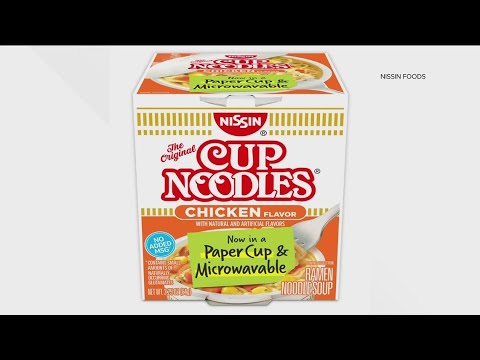
How to microwave cup noodles safely
Use this method only when the package clearly says the cup is microwave-safe.
- Read the label first. Check whether the cup may go in the microwave.
- Remove the lid as directed. Do not leave foil or metal in the oven.
- Add the correct amount of water. Too little water can cause uneven heating or leave dry noodles.
- Place the cup in the microwave. Set it on a clean, stable surface.
- Use the stated cooking time. Microwave power levels vary, so follow the package directions.
- Let the cup stand. Steam continues to heat the noodles after the oven stops.
- Stir carefully. Hot spots can form in liquids and noodles.
- Check the cup. Do not use it if it has melted, cracked, leaked, or changed shape.
- Let the food cool before eating. Steam and broth can cause serious burns.
If the cup is not microwave-safe, use this alternative:
- Put the noodles and seasoning in a microwave-safe bowl.
- Add the amount of water listed on the package.
- Heat the bowl according to the package directions.
- Stir before eating.
- Allow the noodles to cool for a short time.
Never microwave a sealed container. Steam pressure can build and cause the container to burst or spray hot liquid.

What health risks matter more than cancer from microwaving?
For most people, the more realistic concerns are burns, sodium, and diet quality.
Burns from hot broth or steam
Instant noodle broth can become very hot. The lid may trap steam, and the cup may feel cooler than the liquid inside. Open the lid away from your face. Stir gently. Keep the cup away from children until it cools.
High sodium intake
Many instant noodle products contain a large amount of sodium. The Dietary Guidelines for Americans recommend that adults limit sodium to less than 2,300 milligrams per day. The exact amount in a noodle cup appears on the Nutrition Facts label.
Eating one cup does not automatically cause cancer. But eating high-sodium foods often can make it harder to keep sodium intake within recommended limits. Too much sodium can contribute to high blood pressure in some people.
Low fiber and limited nutrients
Instant noodles may provide calories and carbohydrates but little fiber, protein, or produce. They can fit into an occasional meal, but they are not a complete diet by themselves.
You can improve the meal by adding foods such as:
- Frozen vegetables
- An egg
- Tofu
- Beans
- Leftover chicken
- Unsalted edamame
These additions do not remove the product’s sodium. Using less seasoning or only part of the flavor packet may lower sodium, but check the label because the amount varies.
What should you do if you already microwaved the cup?
Do not panic. If you microwaved the cup once and it did not melt, burn, spark, leak, or change shape, there is no reason to assume that you will get cancer from eating the noodles.
Discard the food if:
- The cup melted or warped
- The lining peeled into the food
- The food smells strongly of burnt plastic or chemicals
- The container sparked or caught fire
- The cup leaked or broke
- You used a sealed container and it burst
If you notice a small burn, cool it under clean, cool running water. Seek medical care for a serious burn, a burn on the face or hands, a large burn, or trouble swallowing or breathing.
If you are worried because you repeatedly used a container against its instructions, stop using that method. Switch to a microwave-safe bowl. A one-time mistake does not mean cancer will develop.
Common myths about microwaving cup noodles
“Microwaves put radiation into the food.”
False. Microwaves use non-ionizing energy to create heat. The food does not retain microwave energy after cooking.
“Any plastic cup will release cancer-causing chemicals.”
False. Plastics differ. Some are designed for microwave use, while others are not. The package directions are the best guide for that product.
“Boiling water is always safer than microwaving.”
Not always. Boiling water can also cause burns, and the cup may still be unsuitable for very hot liquid. Follow the product’s preparation instructions.
“A recycling number proves the cup is safe.”
False. A recycling code does not tell you whether the container is safe for microwave heating.
“Instant noodles cause cancer.”
This is too broad. A noodle cup is not automatically a cancer-causing food. The more established concern is that many products are high in sodium and may contribute to a poor diet when eaten often.
Key takeaways
- Microwaving cup noodles does not make them radioactive.
- There is no established evidence that using a microwave-safe noodle cup as directed causes cancer.
- Follow the label for the exact product.
- Transfer noodles to a microwave-safe glass or ceramic bowl if the cup says not to microwave.
- Never microwave metal, foil, a sealed container, or a damaged cup.
- Watch for steam and very hot broth.
- Check the sodium label if you eat instant noodles often.
FAQs
Can microwaving ramen in a plastic cup cause cancer?
There is no established evidence that microwaving a container labeled microwave-safe causes cancer when used as directed. If the cup is not labeled for microwave use, transfer the ramen to a glass or ceramic bowl.
Are Cup Noodles microwave-safe?
Some products are, and some are not. The name “Cup Noodles” does not tell you how every product should be heated. Check the instructions on the specific package.
Is it safer to microwave noodles in a bowl?
A microwave-safe glass or ceramic bowl is a useful choice when the original cup is not approved for microwave heating. It also makes it easier to avoid damaged or unsuitable packaging.
Can microwaved food cause cancer?
Microwaved food itself is not known to cause cancer. Microwave ovens use non-ionizing energy. Cancer concerns linked to food are more often related to overall diet, alcohol, tobacco, certain infections, body weight, and other established risk factors.
How often can I eat instant noodles?
There is no single safe number for everyone. Check the sodium and calorie content, and balance noodle meals with vegetables, protein, and other lower-sodium foods. People with high blood pressure, kidney disease, or a sodium restriction should follow advice from a qualified health professional.
Conclusion
You cannot get cancer simply because you microwaved cup noodles. The important safety question is whether the specific container is approved for microwave use. Follow the label, use a microwave-safe bowl when unsure, and handle the hot broth and steam with care.
For long-term health, focus less on the microwave and more on how often you eat instant noodles. Check the sodium, add nutritious foods, and vary your meals.

Appliance Review Expert
Lucas Ramirez is a trusted voice at HomeFixGrid.com, known for his clear, practical, and creatively written guides that simplify appliance care for everyday homeowners. With a strong focus on hands-on testing and real-world problem-solving, Lucas brings expert insight into appliance reviews and troubleshooting techniques. Her work empowers readers to confidently maintain, repair, and choose the right appliances for their homes.