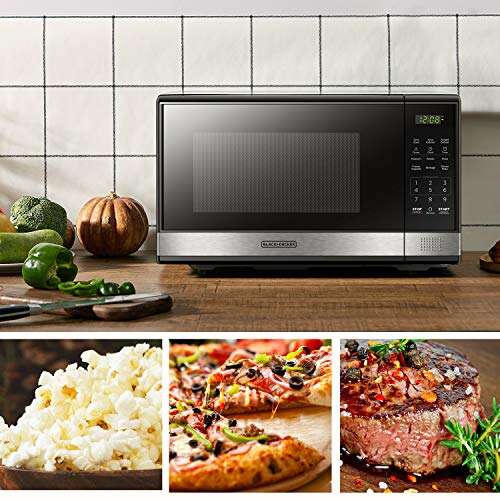
Can You Use A Microwave Without The Glass Plate: Is It Safe?
Introduction
You may be able to turn on a microwave without its glass plate, but you should not do so unless the owner’s manual says it is safe. Most countertop microwaves use the glass tray and roller ring to move food through hot and cold spots. Without them, the oven may heat unevenly, and the exposed drive coupler can be damaged.
For most U.S. households, the safest choice is simple: replace the correct tray before normal use. If your microwave has a flat bottom and no turntable parts, it is designed to work without a glass plate.

What the Glass Plate Does in a Microwave
The glass plate is usually part of the microwave’s turntable system. It sits on a roller ring and connects to a small plastic or metal drive coupler in the oven floor.
When the microwave runs, the motor turns the plate. This movement helps the food pass through areas where microwave energy is stronger or weaker.
The glass plate also:
- Supports the weight of the food and container
- Keeps food above the oven floor
- Helps prevent spills from reaching the drive system
- Maintains the correct distance from the microwave’s energy pattern
- Reduces uneven heating
The plate does not create the microwaves. The magnetron and related components do that. However, the plate helps the oven heat food more evenly and keeps the food load in the position expected by the manufacturer.
Glass plate, roller ring, and coupler
These parts work as a set:
- Glass plate: The round tray that holds the food
- Roller ring: The ring with wheels under the tray
- Drive coupler: The small center piece that turns the tray
- Turntable motor: The motor below the oven floor that drives the coupler
If one part is missing, the other parts may not work as intended. A replacement tray that looks close may still have the wrong diameter, center hub, or weight rating.

Is It Safe to Run a Microwave Without the Glass Plate?
It is not automatically safe. Check the manual for your exact model before using it without the tray.
Some microwave ovens can produce heat without a glass plate. That does not mean the manufacturer approves operation without the tray. Many manuals instruct users to keep the glass tray, roller ring, or turntable system in place during use.
The main risks include:
Uneven heating
Without a rotating tray, some parts of the food may receive more microwave energy than others. This matters most when heating:
- Meat
- Poultry
- Eggs
- Thick sauces
- Baby food
- Frozen meals
- Leftovers with dense or cold centers
A food item can feel hot on the outside while remaining cold inside. For foods that must reach a safe internal temperature, use a food thermometer and follow USDA cooking and reheating guidance.
Damage to the drive system
If the center coupler turns without the glass tray, it may spin freely or rub against the container. A heavy bowl can place stress on the coupler or motor.
Do not let a container scrape the oven floor. Do not force a dish onto the center hub.
Spills and food debris
the glass tray catches spills and helps keep them away from the coupler opening. Without it, liquid or grease may collect around the center drive area.
Food debris can cause odor, stains, sticking, or mechanical problems. Always unplug the microwave before cleaning near the coupler, and follow the cleaning instructions in the manual.
Damage to the microwave floor
The oven floor may not be designed to hold cookware directly. A rough, heavy, or sharp container can scratch the coating. A hot dish can also cause damage if it sits directly on a surface not designed for that load.

When Can You Use a Microwave Without the Tray?
You can use a microwave without a glass plate only when the appliance is designed for that setup or the manufacturer clearly permits it.
1. The microwave is a flatbed model
Some newer microwaves have no turntable. They use a flat ceramic base, a rotating antenna, or another system to spread microwave energy.
These models do not need a removable glass plate. Do not add a loose glass tray unless the manual specifically allows it.
2. The manual allows temporary use without the tray
A few manufacturers may allow limited operation without the tray for certain functions. The wording matters. “The oven can operate” is not the same as “the oven may be used without the tray.”
Look for instructions under:
- Turntable
- Glass tray
- Roller guide
- Cooking without the turntable
- Replacement parts
- Troubleshooting
Use the exact model number from the label inside the door frame, on the back, or on the side of the microwave.
3. The turntable can be turned off
Some microwaves have a “turntable off” setting. This does not always mean the glass plate can be removed.
On many models, the turntable-off function stops rotation while the glass tray stays in place. The tray may still be needed to support the food and protect the oven floor.
4. The oven is being tested briefly and empty
A short empty test may be part of a manufacturer’s troubleshooting process. However, do not run a microwave empty as a general test. Microwave energy needs a suitable load. Running an empty oven can damage the magnetron in some models.
If the manual gives a specific test, follow that procedure. Otherwise, do not use the microwave with no food or liquid inside.

How to Use a Microwave if the Glass Plate Is Missing
The best solution is to stop using the microwave until you find the correct replacement tray. If you need to confirm whether your model supports tray-free use, follow this safe process.
Step 1: Find the model number
Check the label:
- Around the inside door frame
- On the back or side panel
- Beneath the microwave
- On the original paperwork
Write down the full model number. A similar-looking microwave may use a different tray.
Step 2: Read the owner’s manual
Search the manual for “glass tray,” “turntable,” and “roller guide.” Use the manufacturer’s U.S. support page when possible.
Do not rely only on the tray diameter. The center hub must also match the drive coupler.
Step 3: Inspect the oven floor
With the microwave unplugged, check for:
- A center drive coupler
- A roller ring
- Cracks in the oven floor
- Loose or melted plastic
- Burn marks
- Food packed around the center opening
If the coupler is broken or the floor is damaged, do not use the microwave. Arrange service or replacement.
Step 4: Order the correct part
Use the model number to find the manufacturer’s replacement part or a verified compatible part. Confirm:
- Outside diameter
- Center hub shape
- Tray material
- Weight rating
- Compatibility with the model
Do not use a dinner plate as a permanent replacement. Ordinary dishes may not fit the coupler and may break under microwave heat.
Step 5: Install the parts correctly
Place the roller ring on the oven floor. Set the glass tray on top so the center hub fits into the coupler.
The tray should sit flat. It should rotate smoothly by hand without scraping the walls.
Step 6: Test with a cup of water
Once the correct parts are installed, place a microwave-safe cup containing water on the tray. Run the microwave for a short period, such as 30 seconds, while watching for:
- Smooth rotation
- Scraping or grinding
- Sparks
- Burning smells
- Unusual noise
Stop the oven at once if you see sparks, smoke, or damage.

Can You Put Food Directly on the Microwave Floor?
Usually, no. A microwave with a turntable is generally designed for food to sit on the glass tray, not directly on the metal or coated floor.
A container placed directly on the floor may:
- Block or strain the turntable coupler
- Scratch the interior coating
- Sit too close to the energy source
- Spill into the drive opening
- Heat unevenly
- Interfere with the door or waveguide system
Never place metal cookware directly on the microwave floor unless the manual specifically permits it. Metal can reflect microwave energy and cause arcing, depending on its shape, location, and the oven’s design.
If the manual permits cooking without the turntable, use only a microwave-safe container and follow the stated placement instructions.
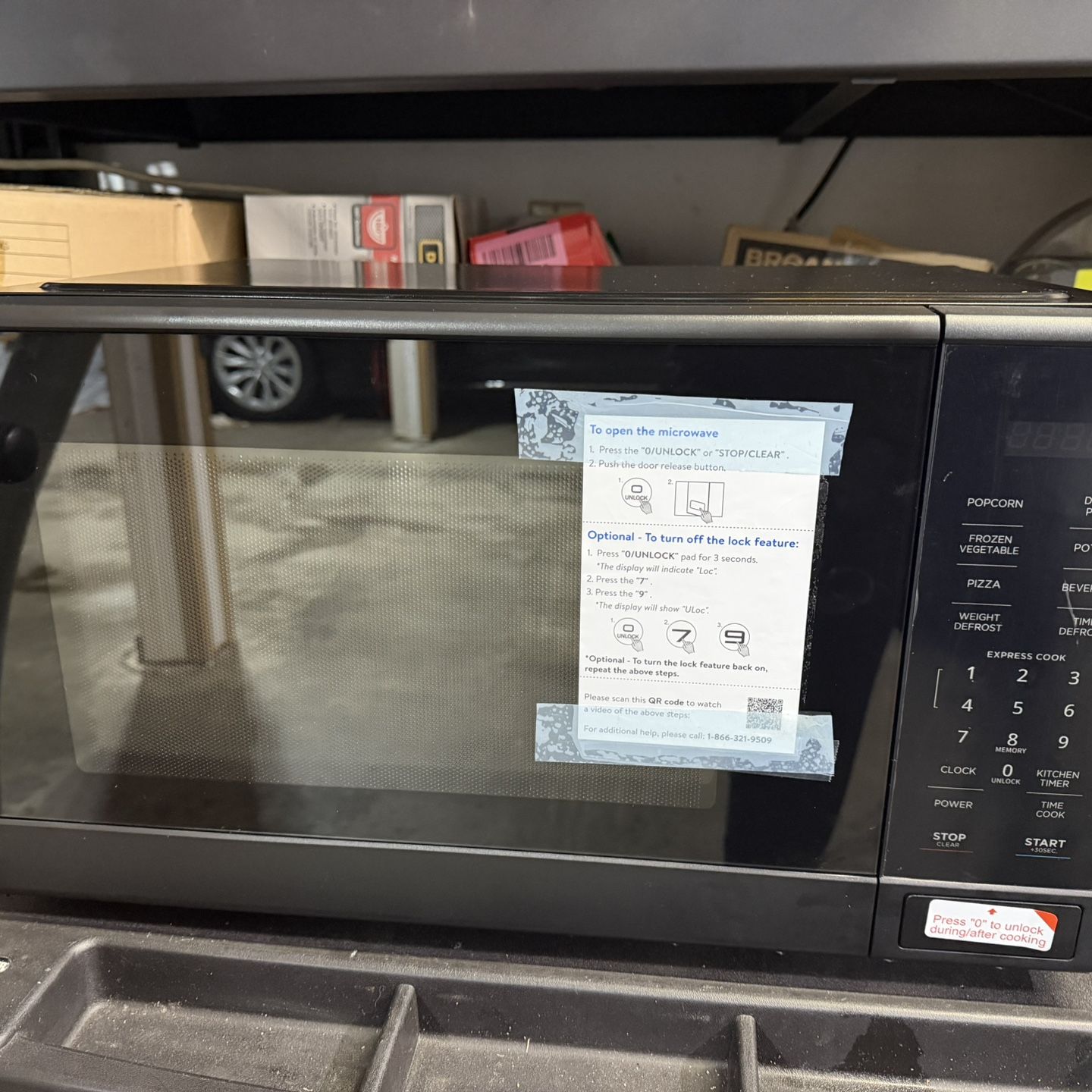
Can You Use Another Plate as a Replacement?
A different microwave-safe plate may hold food, but it is not necessarily a safe replacement for the original glass tray.
There are two separate questions:
- Is the dish safe in microwave energy?
- Does the dish fit and support the turntable system?
A ceramic or glass dish may be microwave-safe but still be too heavy, too wide, too tall, or shaped incorrectly for the motor and coupler.
Avoid:
- Metal plates
- Plates with metallic trim
- Cracked glass
- Melamine unless the label specifically permits microwave use
- Plastic containers not labeled microwave-safe
- Oversized dishes that touch the oven walls
- Heavy cast-iron or stoneware cookware
For normal use, buy the correct replacement tray. This is usually safer than adapting a household dish to fit.

What to Do if the Microwave Runs but Does Not Turn
A microwave can still heat food when the turntable stops. That does not prove the oven is working properly.
Check these items in order:
- Make sure the tray sits correctly on the roller ring.
- Confirm that the center hub fits the coupler.
- Remove food debris from the wheels and oven floor.
- Check whether the turntable-off setting is active.
- Listen for grinding, clicking, or humming.
- Stop using the oven if the coupler, motor, or floor looks damaged.
Some models allow manual rotation of the tray before cooking, but that does not replace an operating turntable unless the manual says it does. Manual rotation may also leave hot and cold spots.
Do not remove the microwave’s outer cover to repair the motor. Microwave ovens contain high-voltage parts that can retain a dangerous charge even after unplugging. Use an appliance repair professional or replace the unit.

Microwave Without Glass Plate: Quick Decision Table
| Microwave setup | Use without the glass plate? | Best action |
|---|---|---|
| Flatbed microwave with no tray system | Yes, if designed that way | Follow the manual |
| Standard model with a turntable | Usually no | Replace the tray |
| Manual clearly permits tray-free use | Possibly | Follow the exact conditions |
| Tray missing but coupler exposed | Avoid | Do not cook until replaced |
| Tray cracked but still turning | No | Replace the tray |
| Roller ring broken | No | Replace the ring or service the unit |
| Tray turns but makes grinding sounds | Stop using it | Inspect and repair |
| Food placed directly on oven floor | Usually no | Use the correct tray or manual instructions |
The key decision is not whether the microwave can produce heat. The key decision is whether the complete appliance is being used in the way its manufacturer designed.

Common Mistakes to Avoid
Running the microwave empty
Do not run the oven with no food or liquid unless the manufacturer gives a specific test procedure. An empty cavity can reflect energy back toward internal components.
Using a random glass plate
A plate can be microwave-safe and still be unsuitable for the turntable. The wrong size or hub can damage the motor or fail to rotate.
Ignoring a cracked tray
A cracked glass tray can break as it heats or turns. Replace it before use.
Blocking the tray with a large container
The container should not touch the walls. It also should not prevent the tray from turning.
Assuming “turntable off” means “tray removed”
These settings often stop the tray from rotating while the tray remains in place. Read the model’s instructions.
Heating food unevenly
Stir food when possible. Rotate or rearrange it only when the manual and food instructions support that step. Let heated food stand when directed, because standing time helps heat spread through the food.

Frequently Asked Questions
Can a microwave still heat food without the glass turntable?
Yes, many microwaves can still produce heat, but heating may be uneven. Whether you should use the oven that way depends on the model’s manual.
Can I use a microwave with the roller ring but no glass plate?
Usually not. The roller ring supports the glass tray, but it is not meant to hold food containers by itself. The container may catch on the wheels or place stress on the drive system.
Can I replace the glass plate with a ceramic dinner plate?
Only if the manufacturer specifically approves that type and size. A standard dinner plate may be microwave-safe but may not fit the turntable hub or weight limit.
Is it safe to use a microwave with a broken glass plate?
No. A cracked or chipped tray can break during heating or rotation. Replace it with a tray made for the exact model.
How do I find the right replacement microwave plate?
Use the complete model number and compare the tray’s diameter, center hub, and compatibility information. The manufacturer’s parts department or an authorized service source is the safest place to start.
Key Takeaways
- A standard turntable microwave should usually not be used without its glass plate.
- The tray helps rotate food, support the container, and protect the drive system.
- A flatbed microwave is designed to work without a removable tray.
- “Turntable off” does not always mean “remove the glass plate.”
- Do not use a random dish, run the microwave empty, or place food directly on the oven floor unless the manual permits it.
- Replace a missing or cracked tray with the correct model-compatible part.
Conclusion
A microwave may still turn on without its glass plate, but that does not make the setup safe or suitable for regular cooking. For a typical U.S. countertop microwave, replace the tray and roller parts before using the oven again.
If the microwave has a flat cooking floor, follow its manual. If it has a center coupler, roller ring, or turntable motor, treat the glass tray as an important working part of the appliance—not just a removable dish.

Appliance Review Expert
Lucas Ramirez is a trusted voice at HomeFixGrid.com, known for his clear, practical, and creatively written guides that simplify appliance care for everyday homeowners. With a strong focus on hands-on testing and real-world problem-solving, Lucas brings expert insight into appliance reviews and troubleshooting techniques. Her work empowers readers to confidently maintain, repair, and choose the right appliances for their homes.