How Do I Know What Kind Of Mattress I Need: Find Your Fit
Your ideal mattress matches your sleep position, body needs, comfort preference, and budget.
If you are asking, “how do I know what kind of mattress I need,” start with how you sleep, where your body feels pressure, and whether your current mattress supports your spine. After helping people compare mattress types, firmness levels, and sleep needs, I have found that the best choice is rarely the most expensive one. It is the mattress that keeps you comfortable, supported, and cool through the night.
How do I know what kind of mattress I need?
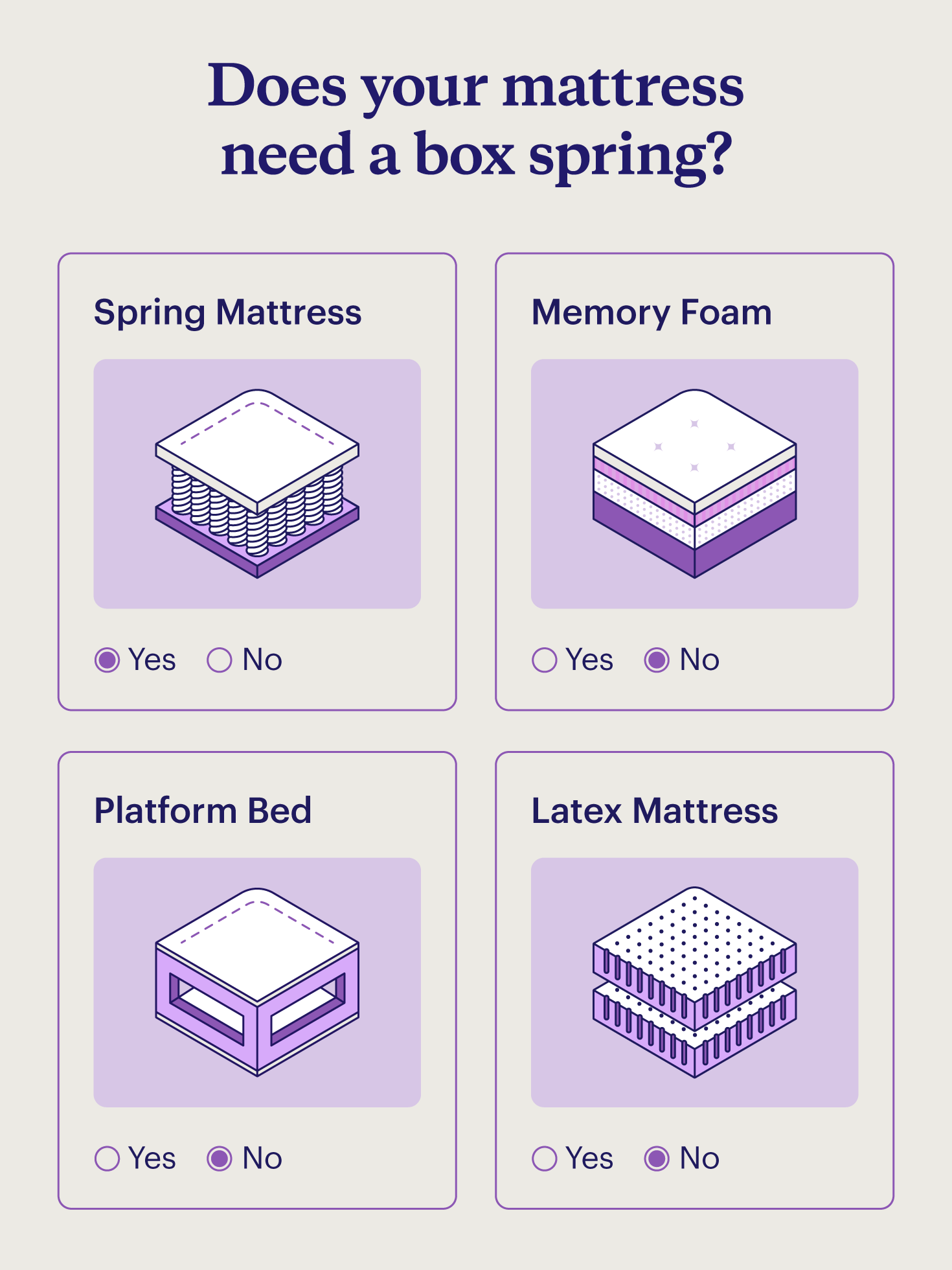
The simplest answer is to match the mattress to your sleep position, body shape, comfort needs, and health concerns. A mattress should support your body without creating painful pressure points.
When deciding how do I know what kind of mattress I need, review these five factors:
- Your main sleep position
- Your preferred firmness
- Your body weight and shape
- Your need for pressure relief or support
- Your budget, room size, and trial options
Think of a mattress like a pair of shoes. A shoe that feels great for one person may pinch another person’s feet. In the same way, a mattress that feels soft and cozy to one sleeper may feel unsupportive to someone else.
Your current mattress also gives useful clues. If you wake with hip pain, shoulder pain, numb arms, or lower back stiffness, the mattress may be too firm, too soft, or worn out. However, pain can have many causes, so talk with a health professional if discomfort continues.
Start with your sleep position
Your sleep position is one of the strongest clues when deciding how do I know what kind of mattress I need. Each position places pressure on different parts of your body.
Side sleepers
Side sleepers usually need enough cushioning for the shoulders and hips. A mattress that is too firm may press into these areas and cause soreness or numbness.
Most side sleepers do well with a medium-soft to medium mattress. The exact feel depends on body weight:
• Lightweight side sleepers may prefer softer foam or a plush comfort layer.
• Average-weight side sleepers often like medium foam or hybrid mattresses.
• Heavier side sleepers may need a supportive hybrid with thicker comfort layers.
A good side-sleeping mattress should let your shoulder and hip sink in slightly. It should still keep your spine level rather than allowing your waist to sag.
Back sleepers
Back sleepers need balanced support. The mattress should cushion the lower back while keeping the hips from sinking too far.
Medium to medium-firm mattresses often work well for back sleepers. Memory foam can offer close pressure relief, while latex and coils can provide a more responsive feel.
Lie on your back and notice the space under your lower back. A small gap is normal. A large gap may suggest that the mattress is too firm. If your hips sink deeply and your lower back feels strained, the mattress may be too soft.
Stomach sleepers
Stomach sleepers often need a firmer, more supportive surface. A soft mattress can let the midsection sink, which may place stress on the lower back and neck.
Medium-firm to firm mattresses are common choices for this position. Look for steady support from the coil system or foam core.
Stomach sleeping can also strain the neck because the head must turn to one side. If possible, try to shift toward side or back sleeping. A thinner pillow can reduce neck bending if you continue to sleep on your stomach.
Combination sleepers
Combination sleepers change positions during the night. You may need a mattress that balances pressure relief, support, and ease of movement.
A medium or medium-firm hybrid often suits combination sleepers. Responsive latex and pocketed coils make it easier to roll from one position to another.
A slow memory foam mattress may feel comfortable at first but can make movement harder. If you often wake when turning, consider a more responsive material.

Choose the right mattress firmness
Firmness describes how a mattress feels when you lie on it. It does not always equal support. A soft mattress can support you well, while a firm mattress can still cause pressure points.
Most brands use a firmness scale from 1 to 10:
• 1 to 3 feels soft.
• 4 to 6 feels medium.
• 7 to 10 feels firm.
These numbers are not universal. One brand’s medium may feel like another brand’s medium-firm. Your body weight also changes how firmness feels. A heavier sleeper may sink more, while a lighter sleeper may experience the same mattress as firmer.
When considering how do I know what kind of mattress I need, use firmness as a starting point rather than a final answer. Support, comfort layers, foam density, coil design, and mattress thickness all affect the experience.
A useful test is the neutral spine test:
- Lie in your usual sleep position.
- Ask someone to check whether your spine looks straight.
- Notice pressure around your shoulders, hips, and knees.
- Check whether you can move without effort.
- Stay in the position for at least 10 minutes.
If you feel sharp pressure, the mattress may be too firm. If your body feels trapped or your hips sink, it may be too soft.

Compare mattress materials
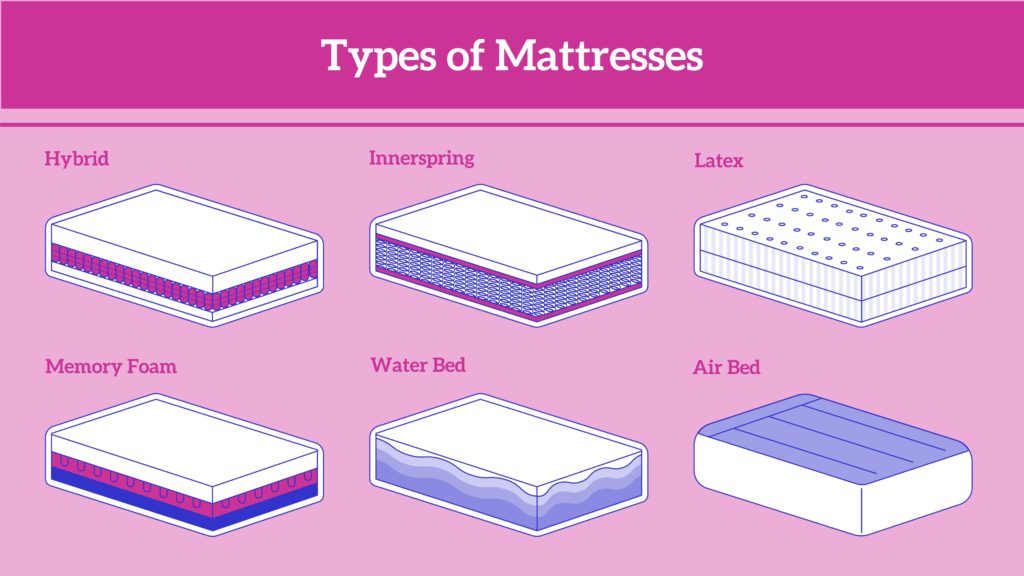
Different mattress types create different feels. Learning the basic materials can make the buying process much easier.
Memory foam mattresses
Memory foam contours closely to the body. It can reduce motion transfer, which helps couples who wake when their partner moves.
Memory foam may suit:
• Side sleepers who need pressure relief
• Couples with different schedules
• People who like a hugging, slow-sinking feel
Some memory foam mattresses sleep warm or make movement harder. Look for breathable covers, open-cell foam, cooling materials, or a coil base if heat is a concern.
Latex mattresses
Latex feels springy and responsive. It usually allows easier movement than traditional memory foam.
Latex may suit:
• Combination sleepers
• People who prefer a buoyant feel
• Sleepers who want durable materials
Natural latex can cost more. It may also feel too firm or bouncy for people who prefer a deep, soft hug.
Innerspring mattresses
Innerspring mattresses use a coil system with comfort materials above it. They often provide strong airflow and a traditional bounce.
An innerspring mattress may work well for:
• People who sleep hot
• Stomach sleepers who need firm support
• People who like an easy-to-move-on surface
The quality of an innerspring mattress depends on the coil design and comfort layers. A thin, low-quality comfort layer may create pressure points.
Hybrid mattresses
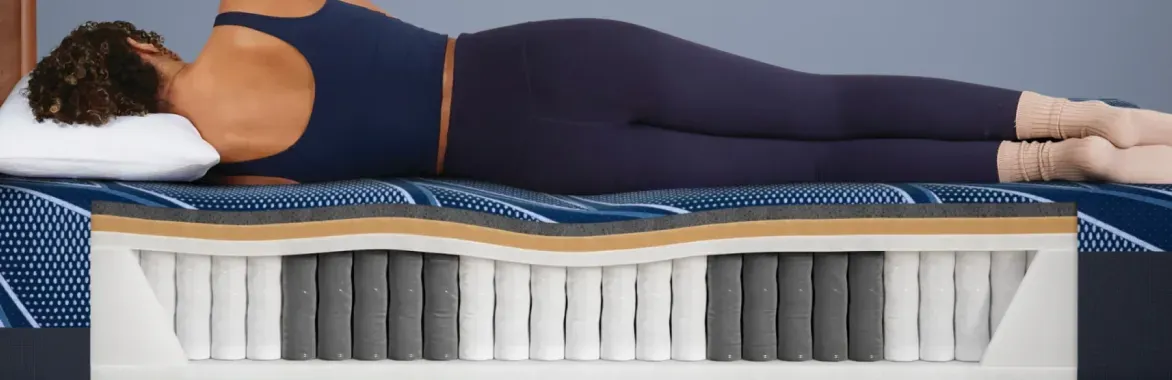
Hybrid mattresses combine coils with foam or latex. They aim to offer support, airflow, pressure relief, and responsiveness.
A hybrid may be a strong choice for couples, heavier sleepers, combination sleepers, and people who want a balanced feel. Still, hybrids can be heavier and more expensive than all-foam models.
Air and adjustable mattresses
Adjustable air mattresses let you change firmness on each side. They can help couples with different comfort preferences.
These beds often cost more and include mechanical parts that may need repair. Review the warranty, return policy, and replacement costs before buying.
Consider your body weight and shape
Body weight changes how deeply you sink into a mattress. It also affects how much support you need from the comfort layers and base.
Lightweight sleepers may feel that firm mattresses are too hard. They often need enough surface cushioning to prevent pressure around the shoulders and hips.
Average-weight sleepers usually have the widest range of suitable choices. A medium or medium-firm mattress often provides a useful balance of comfort and support.
Heavier sleepers may need stronger edge support, a durable coil system, and a thicker comfort layer. A mattress that is too soft may allow excessive sinking. A very firm mattress may still feel uncomfortable if it lacks enough cushioning.
Body shape matters, too. A person with broader shoulders may need more shoulder room and pressure relief. A person with a larger midsection may need stronger central support.
This is another key part of how do I know what kind of mattress I need: do not judge a mattress only by its label. Consider how your body interacts with the entire sleep surface.

Think about pain, pressure relief, and support
A mattress can improve comfort, but it is not a medical treatment. If you have ongoing pain, numbness, weakness, or sleep problems, ask a qualified health professional for advice.
For general comfort, focus on the source of pressure:
• Shoulder pain may suggest that your mattress is too firm for side sleeping.
• Hip pain may result from poor cushioning or an uneven sleep surface.
• Lower back stiffness may occur when your hips sink too far or when the mattress does not cushion your natural shape.
• Neck pain may come from the wrong pillow height, not just the mattress.
Your pillow and mattress work as a team. A tall pillow can push your neck upward when you sleep on your side. A very thin pillow may let your head drop when you sleep on your back.
One practical lesson is to change one item at a time. If you replace the mattress and pillow together, it becomes difficult to know which change helped or caused discomfort.
Pick the right mattress size
Mattress size affects comfort, movement, and sleep quality. A mattress that feels comfortable in a showroom may feel cramped in a small bedroom.
Common US mattress sizes include:
• Twin: 38 by 75 inches
• Twin XL: 38 by 80 inches
• Full: 54 by 75 inches
• Queen: 60 by 80 inches
• King: 76 by 80 inches
• California king: 72 by 84 inches
A queen mattress works well for many solo sleepers and couples. A king gives couples more personal space. Taller sleepers may prefer a California king or another long mattress.
Leave room for walking, drawers, doors, and bedside tables. Also measure stairways, hallways, and door frames before ordering a large mattress.
When deciding how do I know what kind of mattress I need, remember that size is about more than sleeping space. It also affects room layout, movement, and the practical cost of sheets and bedding.

Match the mattress to your budget
A higher price does not guarantee better sleep. Set a realistic budget, then compare construction, warranty terms, trial length, and return fees.
Look beyond marketing claims. Check:
• Foam density and thickness
• Coil type and coil count when provided
• Edge support
• Cover materials
• Warranty exclusions
• Return and pickup rules
• Expected lifespan
A low-priced mattress may be suitable for a guest room or short-term need. A primary mattress deserves closer attention because you use it every night.
Avoid buying based only on a discount timer. Mattress promotions are common, and a sale should not pressure you into choosing the wrong firmness or size.
A useful rule is to spend enough for stable support and durable materials, but not so much that you ignore your actual comfort needs.
Test a mattress before making a final decision
The best way to learn how do I know what kind of mattress I need is to test it under realistic conditions. A two-minute showroom test may not reveal how the mattress feels after several hours.
If you shop in person:
- Wear comfortable clothing.
- Lie in your normal sleep position.
- Stay on the mattress for at least 10 to 15 minutes.
- Test the edge by sitting and lying near it.
- Ask whether the store offers a home trial.
If you shop online, read the home trial policy carefully. Check when the trial begins, whether you must keep the mattress for a minimum period, and who pays return transportation.
Most people need time to adjust to a new mattress. A short adjustment period can be normal, especially when moving from a very soft bed to a firmer one. However, severe pain or persistent discomfort is a reason to contact the retailer.
Keep the mattress clean and protected during the trial. Use a breathable protector that does not change the feel too much.
Avoid common mattress-buying mistakes
Many mattress problems come from rushed decisions rather than poor products.
Common mistakes include:
• Choosing an extremely firm mattress because it sounds more supportive
• Buying the same model as a friend without considering body differences
• Ignoring your sleep position
• Forgetting to measure the room
• Failing to read the return policy
• Replacing the mattress but keeping a worn-out foundation
• Focusing on cooling claims without checking the full construction
• Buying a mattress without considering partner movement
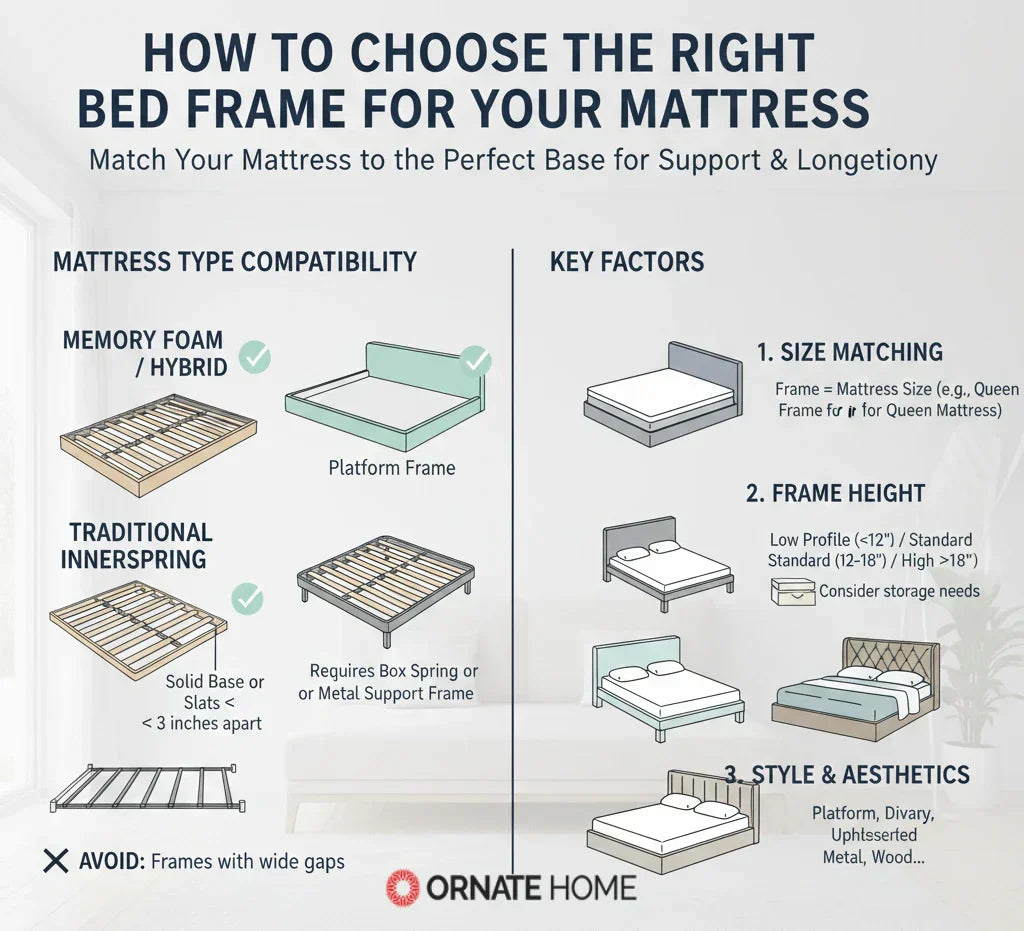
A foundation also matters. Some mattresses need a specific base, slat spacing, or center support. Using the wrong foundation can affect comfort and may limit warranty coverage.
One lesson worth remembering is that “orthopedic” does not automatically mean medically approved or right for your body. Treat broad health claims with care. Look for clear construction details and a fair trial policy instead.
Find the best mattress for couples
Couples often have different sleep positions, body weights, and comfort preferences. One partner may want a soft mattress while the other prefers firm support.
Consider these features:
• Motion isolation to reduce disturbance
• A larger size for personal space
• Strong edge support for usable surface area
• Split firmness or an adjustable base
• Good temperature control
Memory foam often limits motion transfer well. Pocketed coils can also reduce movement compared with older connected coil systems, though performance varies by design.
If one partner is much heavier, a mattress with strong support and a stable center can help reduce uneven sinking. A split king with different firmness levels may be useful when each person needs a different feel.
Discuss your priorities before shopping. A clear conversation can prevent an expensive mattress from becoming a daily argument.
How do I know what kind of mattress I need for hot sleeping?
Hot sleepers should look for breathable materials, airflow, and a cover that does not trap excessive heat. Latex, coils, and some hybrid designs often feel cooler than dense all-foam mattresses.
Your bedroom temperature, pajamas, bedding, and body heat also matter. A cooling mattress cannot fully offset a warm room or heavy comforter.
How do I know what kind of mattress I need for back pain?
Look for balanced support and pressure relief rather than choosing the firmest mattress available. Many back sleepers prefer a medium to medium-firm feel, but personal comfort and body shape still matter.
Back pain can have medical causes. Seek professional advice if pain is severe, lasts for weeks, or comes with numbness, weakness, or other concerning symptoms.
How do I know what kind of mattress I need if I sleep in different positions?
Combination sleepers often benefit from a medium or medium-firm mattress with responsive foam, latex, or pocketed coils. The surface should cushion side sleeping while allowing easy movement to the back or stomach.
A mattress with strong edge support can also give combination sleepers more room to change position.
How long should a mattress last?
Many mattresses last about seven to ten years, but lifespan depends on materials, use, body weight, care, and construction. Some high-quality latex and hybrid mattresses may last longer, while low-cost mattresses may wear out sooner.
Replace a mattress when it has visible sagging, lasting body impressions, broken springs, damaged foam, or a clear decline in sleep comfort.
Is memory foam or a hybrid mattress better?
Neither type is best for everyone. Memory foam often provides stronger motion isolation and body contouring, while hybrids usually offer more bounce, airflow, and easier movement.
The better option depends on your sleep position, heat preference, body weight, and comfort style.
Should a mattress be soft or firm?
A mattress should feel comfortable while keeping your spine in a neutral position. Side sleepers often need more cushioning, while stomach sleepers commonly need firmer support.
Your weight, body shape, and personal preference can change the ideal firmness, so use firmness labels only as a guide.
Can a mattress cause back pain?
A mattress may contribute to back discomfort if it allows too much sinking or creates pressure. However, back pain has many possible causes, including posture, injury, muscle strain, and medical conditions.
If discomfort continues after changing sleep habits or using a different mattress, consult a health professional.
How long should I try a new mattress?
Give your body several weeks to adjust when possible, while following the retailer’s trial rules. Contact the seller sooner if the mattress causes strong pain or clearly lacks support.
Keep the mattress protected and follow the care instructions during the trial period.
Conclusion
The answer to how do I know what kind of mattress I need starts with your sleep position, body shape, comfort preference, and budget. Side sleepers often need pressure relief, back sleepers need balanced support, and stomach sleepers usually need a firmer surface. Material, mattress size, temperature control, partner needs, and trial policies also deserve attention.
Do not choose based on a label or sale price alone. Test the mattress when possible, read the return policy, and give yourself enough time to judge how your body feels. Use these steps to compare your options with confidence, then explore trusted mattress reviews and retailer trials before you buy.

Appliance Review Expert
Lucas Ramirez is a trusted voice at HomeFixGrid.com, known for his clear, practical, and creatively written guides that simplify appliance care for everyday homeowners. With a strong focus on hands-on testing and real-world problem-solving, Lucas brings expert insight into appliance reviews and troubleshooting techniques. Her work empowers readers to confidently maintain, repair, and choose the right appliances for their homes.