How Thick Is A Standard Twin Mattress: Ideal Depth Guide
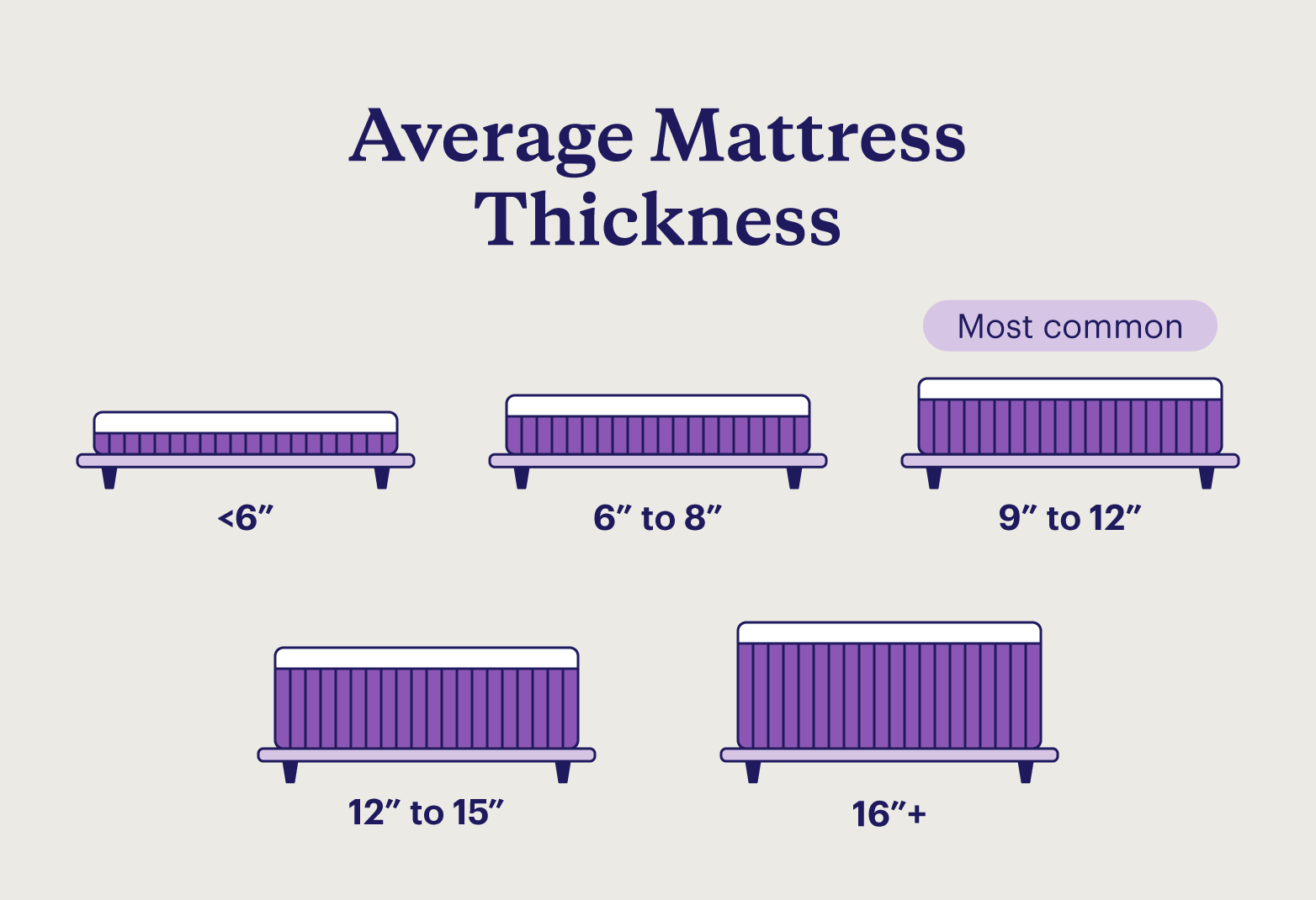
A standard twin mattress is usually 8 to 14 inches thick, with 10 to 12 inches most common.
Knowing how thick is a standard twin mattress helps you choose the right comfort level, sheets, bed frame, and room setup. Mattress thickness affects support, ease of getting in and out of bed, and how much usable space remains in a small bedroom. This guide explains the usual measurements, what changes the height, and how to pick the best thickness for your needs.
How thick is a standard twin mattress?
A standard twin mattress is usually 8 to 14 inches thick. Most adult-friendly twin mattresses fall between 10 and 12 inches, while budget, guest, and children’s mattresses may be thinner.
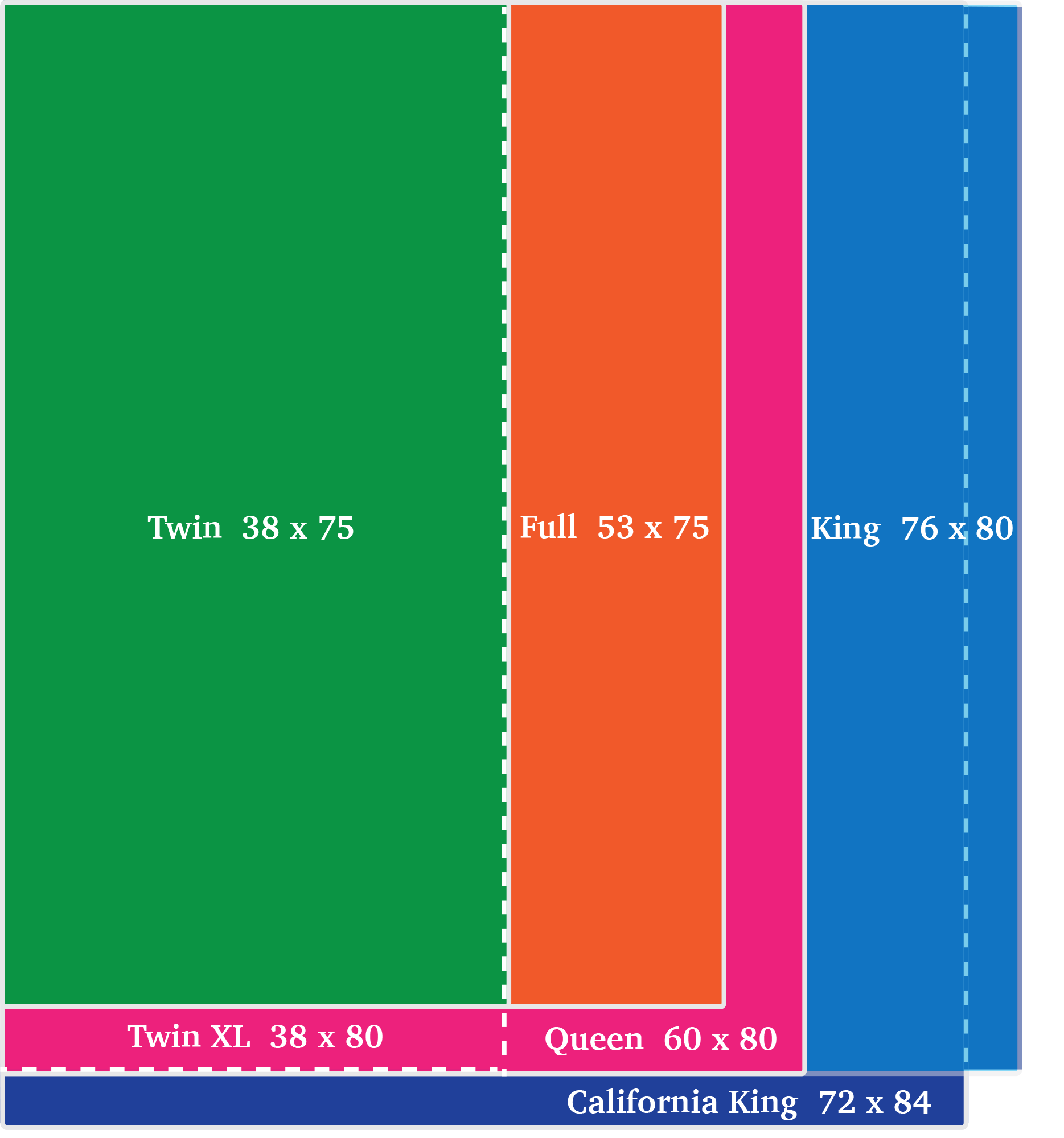
The word “standard” describes the mattress length and width more than its height. A standard twin mattress is about 38 inches wide and 75 inches long. Unlike its surface size, its thickness is not fixed by one universal rule.
Here is a simple guide:
• 6 to 8 inches: Thin and basic, often used for children, bunk beds, or occasional guests
• 9 to 10 inches: A practical middle range for many sleepers
• 10 to 12 inches: Common for adults and daily use
• 13 to 14 inches: Thick, cushioned, and often made with several comfort layers
• More than 14 inches: Extra thick, but less common and more likely to need deep-pocket sheets
The best thickness depends on the mattress design, your body weight, your sleep position, and the support beneath it. A thicker mattress is not always a better mattress. A well-built 10-inch mattress can feel more supportive than a poorly made 14-inch model.

Standard twin mattress dimensions
A standard twin mattress measures about 38 inches wide by 75 inches long. These dimensions make it one of the most useful mattress sizes for small bedrooms, dorm rooms, children’s rooms, and guest spaces.
Twin mattresses are not the same as twin XL mattresses. A twin XL keeps the same width but adds about 5 inches of length.
• Standard twin: 38 by 75 inches
• Twin XL: 38 by 80 inches
• Full mattress: About 54 by 75 inches
The thickness can be the same across these sizes. For example, a 10-inch twin and a 10-inch twin XL may use the same layers and have the same height. Only the surface dimensions change.
Before buying bedding, check the exact product details. Small differences can affect fitted-sheet fit, bed height, and clearance beneath bunk beds.
Why twin mattress thickness varies
Mattress height depends on the materials and layers inside the cover. Most mattresses contain a support core, comfort layers, and a fabric cover.
An innerspring mattress may use coils with a thin layer of foam. A memory foam mattress may contain several layers of foam. A hybrid mattress combines coils with foam or latex. Each design can reach the same total height while creating a very different feel.
Common factors that affect thickness include:
• Support core height: Coils, foam, or latex form the main support layer.
• Comfort layers: Extra foam, fiber, or latex adds cushioning.
• Pillow-top design: A sewn-on top layer increases overall height.
• Zoned construction: Different areas may use varied materials and densities.
• Cover thickness: Quilted covers add a small amount of height.
• Manufacturer design: Brands use different layer sizes and construction methods.
Think of mattress layers like a sandwich. More layers may make the sandwich taller, but the ingredients still determine its quality. A thick mattress with soft, low-density foam may wear faster than a thinner model with strong support materials.

Best twin mattress thickness by sleeper
The right thickness depends on who will use the mattress. A child, a lightweight adult, and a heavier adult may need different support and comfort levels.
For children
A 6 to 8-inch twin mattress can work well for many children. It is often easier to fit on a bunk bed and keeps the total sleep surface lower.
For younger children, check the bed or bunk-bed instructions first. Many bunk beds have a maximum mattress height. A mattress that is too thick can reduce the height of the safety rail.
For teenagers
A 8 to 10-inch mattress may suit many teenagers. However, teens who sleep on the bed every night may prefer a 10 to 12-inch mattress for stronger support and better pressure relief.
Growth, body weight, and sleep position matter more than age alone. A side sleeper may need more cushioning around the shoulders and hips.
For adults
Most adults do well with a 10 to 12-inch twin mattress. This range often allows room for a supportive base and enough comfort material without making the bed overly tall.
A heavier adult may prefer a well-built 12-inch mattress, but construction matters more than height. Look for a stable support core and clear weight limits.
For older adults
A 10 to 12-inch mattress may provide a helpful balance of comfort and support. Still, total bed height matters. A very thick mattress on a tall foundation can make sitting down or standing up harder.
When planning a bed for an older adult, measure from the floor to the top of the mattress. The goal is a height that allows the person to sit with both feet resting comfortably on the floor.

Does a thicker twin mattress feel better?
Not always. Mattress thickness can improve comfort when it provides enough space for supportive and pressure-relieving layers. But thickness alone does not tell you how the mattress will feel.
A thick mattress may feel too soft if its upper layers compress easily. A thinner mattress may feel firm and stable if it uses dense foam or strong coils. Reviews, firmness ratings, material details, and the return policy can tell you more than height alone.
A thicker model may be useful if you:
• Sleep on your side and need extra pressure relief
• Share the mattress with a child or pet
• Prefer a taller, more cushioned bed
• Have a larger body frame
• Want a pillow-top or hybrid design
A thinner model may be better if you:
• Need a low-profile bed
• Use a bunk bed or trundle
• Want easier movement for a child
• Have a small room with limited visual space
• Need to stay within a strict bed-height limit
In practical mattress comparisons, one common mistake is choosing the tallest model without checking firmness. Comfort comes from the right support and cushioning combination, not from inches alone.

Mattress thickness and sleeping position
Your sleep position can help guide your choice.
Side sleepers
Side sleepers often benefit from 10 to 12 inches of thickness. Extra comfort material can cushion the shoulders and hips and help reduce pressure.
A mattress that is too firm may leave gaps beneath the waist. One that is too soft may allow the hips to sink too far. Look for a balanced feel that supports the spine while cushioning wider body areas.
Back sleepers
Back sleepers often prefer medium to medium-firm support. A 9 to 12-inch mattress can work well, depending on the materials and firmness.
The lower back should feel supported without a large gap between the body and mattress. If the hips sink deeply, the mattress may be too soft.
Stomach sleepers
Stomach sleepers often need firmer support to help prevent the midsection from sinking. A 10 to 12-inch mattress may work, but the firmness and support core are especially important.
A very soft, thick pillow-top can feel uncomfortable for stomach sleepers. Focus on stable support rather than maximum height.
Combination sleepers
People who change positions may prefer a medium-feel mattress in the 10 to 12-inch range. This size often gives enough cushioning without making movement difficult.

How mattress thickness affects bed height
The mattress is only one part of the total bed height. The final height includes the frame, foundation, box spring, and mattress.
For example:
• Bed frame: 8 inches
• Foundation: 9 inches
• Mattress: 12 inches
• Total height: About 29 inches
A 12-inch mattress can look and feel much taller on a high platform bed. This matters in small rooms, rooms with low windows, and spaces where you need storage beneath the bed.
A high mattress can also make fitted sheets harder to put on. It may require deep-pocket sheets, especially when combined with a mattress topper.
Before buying, add these measurements together. Then compare the total with the height of nearby furniture, such as nightstands and dressers.

Mattress toppers and total thickness
A mattress topper increases the sleep surface height. A 2-inch topper placed on a 10-inch mattress creates a surface that is about 12 inches high, before accounting for compression.
Common topper thicknesses include:
• 1 to 2 inches: Light cushioning and a small comfort change
• 3 inches: A noticeable change in pressure relief and feel
• 4 inches or more: A major change that may make the bed feel softer and taller
A topper can improve comfort, but it cannot fix every problem. It may soften a firm mattress, but it will not repair broken springs, deep sagging, or weak support.
Measure the mattress and topper together before buying sheets. Many standard fitted sheets fit mattresses up to about 14 inches, but sheet depth varies by brand. Always check the pocket-depth range on the package.
Choosing the right twin mattress thickness
Use this simple process before you buy:
- Measure the bed frame or bunk bed.
Check the maximum mattress height listed by the manufacturer. This is especially important for bunk beds and trundle beds.
- Consider the sleeper.
Think about age, body weight, sleep position, and whether the bed will be used every night.
- Choose the support type.
Memory foam, latex, innerspring, and hybrid mattresses can all come in twin sizes. Their thickness may be similar, but their feel can differ greatly.
- Check the foundation.
Some mattresses work on slatted platforms, while others need a solid or closely spaced base. Follow the manufacturer’s requirements.
- Measure the total bed height.
Add the frame, foundation, mattress, and any topper. Make sure the result feels easy and safe to use.
- Confirm the sheet depth.
A 12-inch mattress may need standard deep-pocket sheets. A 14-inch mattress with a topper may need extra-deep sheets.
- Review the trial and warranty terms.
A mattress can feel different after several nights. A clear return policy gives you room to make a careful decision.
Common mistakes to avoid
Many buyers focus only on the number of inches. That can lead to the wrong choice.
Avoid these mistakes:
• Assuming every 12-inch mattress feels the same
• Ignoring bunk-bed height limits
• Forgetting to measure the foundation
• Buying regular sheets for a thick mattress and topper
• Choosing a soft, thick mattress for a stomach sleeper
• Ignoring the mattress weight limit
• Treating a low price as proof of poor quality
• Failing to check the return policy
One useful lesson from planning small bedrooms is that bed height changes the whole room. A tall bed can reduce the feeling of open space, while a low bed can make storage and cleaning more difficult. Measure first, then shop.
How to measure a twin mattress thickness
You can measure mattress thickness at home with a tape measure and a straight edge.
Follow these steps:
-
Place the mattress on its foundation.
-
Let it expand fully if it arrived compressed.
-
Place a flat board or ruler across the top.
-
Measure from the bottom of the mattress to the underside of the straight edge.
-
Do not press down on the mattress.
-
Measure in the center and near both sides.
The measurement may vary slightly because of quilting, rounded edges, or compression. If you plan to buy sheets, use the tallest measurement.
Mattresses can also lose some height over time. This may happen because of normal compression, especially in soft comfort layers. A small change is normal, but major height loss or visible sagging may indicate wear.
Mattress thickness, support, and durability
Thickness may influence durability, but it does not guarantee a longer life. Material quality, density, coil design, body weight, and use all matter.
Memory foam mattresses should list foam density when possible. Higher-density foam often offers stronger resistance to early wear, though it may also feel warmer or heavier. Latex is usually resilient and responsive, while innerspring and hybrid models depend on coil quality and comfort-layer materials.
A mattress warranty can provide useful information, but read the details. Many warranties cover visible sagging only after it reaches a stated depth. Normal softening may not qualify as a defect.
Rotate the mattress if the manufacturer allows it. Do not flip a one-sided mattress unless the instructions say it is designed for two-sided use. Use a compatible foundation to reduce uneven wear.
Frequently asked questions about how thick is a standard twin mattress
How thick is a standard twin mattress for an adult?
A 10 to 12-inch twin mattress is a common choice for adults. The best option still depends on firmness, materials, body weight, and sleeping position.
Is a 6-inch twin mattress thick enough?
A 6-inch mattress may work for a child, bunk bed, trundle, or occasional guest. Many adults may find it lacks enough cushioning and support for nightly use.
Is a 12-inch twin mattress too thick?
A 12-inch twin mattress is not usually too thick for a standard bed. It may be too tall for some bunk beds, trundles, or high foundations, so check the bed’s height limit first.
Do twin mattresses come in different thicknesses?
Yes. Twin mattresses commonly range from about 6 to 14 inches, and some specialty models are thicker. Thickness varies by construction, comfort layers, and brand.
Does mattress thickness affect fitted sheets?
Yes. A thicker mattress may need deep-pocket or extra-deep-pocket sheets. Include the height of any mattress topper when checking the sheet size.
Is a twin XL mattress the same thickness as a twin mattress?
A twin XL mattress can have the same thickness as a standard twin mattress. The main difference is length: a twin XL is about 80 inches long, while a standard twin is about 75 inches long.
Conclusion
A standard twin mattress is usually 8 to 14 inches thick, with 10 to 12 inches being the most common range for adults. The exact thickness depends on the mattress design, comfort layers, sleeper, bed frame, and foundation.
Before buying, measure the full bed height, check bunk or trundle limits, and confirm that your sheets will fit. Choose support and firmness based on how you sleep rather than selecting the thickest mattress available. Compare trusted models, review the return policy, and share your mattress questions or experience in the comments.

Appliance Review Expert
Lucas Ramirez is a trusted voice at HomeFixGrid.com, known for his clear, practical, and creatively written guides that simplify appliance care for everyday homeowners. With a strong focus on hands-on testing and real-world problem-solving, Lucas brings expert insight into appliance reviews and troubleshooting techniques. Her work empowers readers to confidently maintain, repair, and choose the right appliances for their homes.