How To Clean Microwave With Salt: Easy Method
A salt-and-water steam treatment can help loosen dried food inside a microwave. The water creates steam, while the salt may help with light residue and odors. Salt is not a disinfectant, and it will not replace scrubbing for burnt or greasy stains.
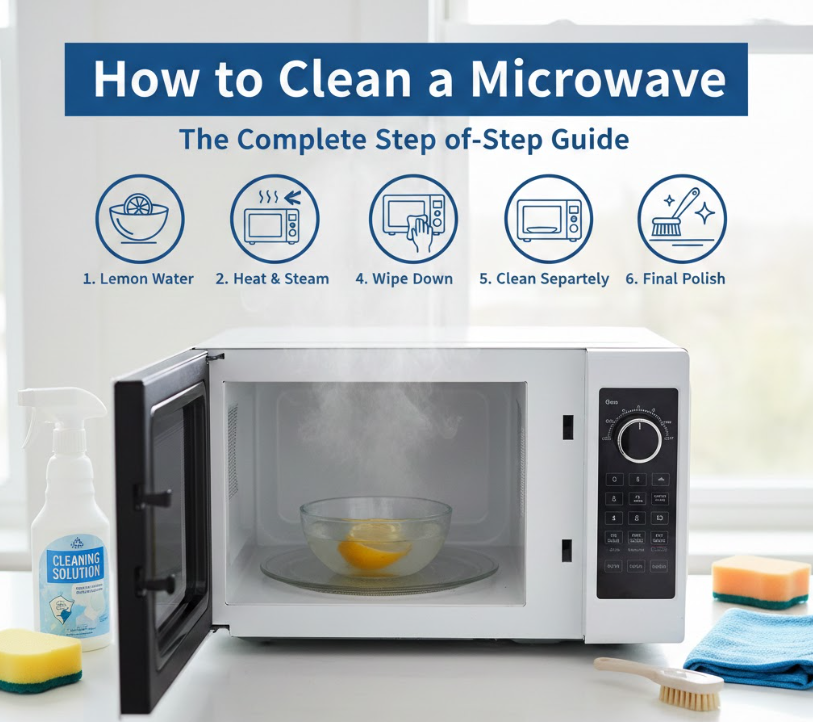
For most microwaves, mix 1 cup of water with 1 to 2 tablespoons of table salt in a microwave-safe bowl. Heat it until the water produces steady steam, let the bowl sit, and then wipe the softened grime with a clean cloth.
What You Need to Clean a Microwave With Salt
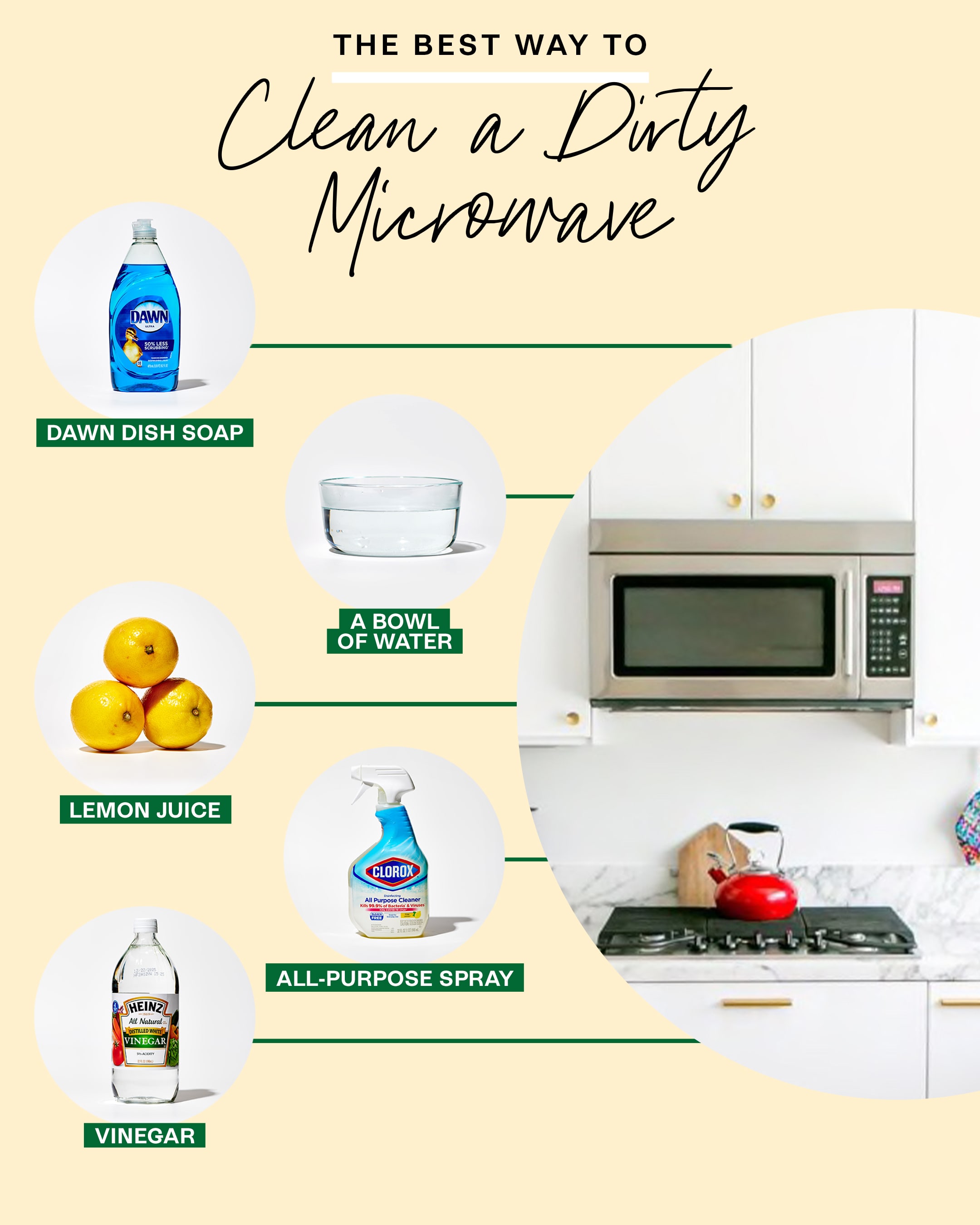
Gather these items before you start:


- 1 cup of water
- 1 to 2 tablespoons of table salt
- A microwave-safe glass or ceramic bowl
- A clean microfiber cloth or soft sponge
- A dry towel
- Optional: an old toothbrush for the door seal and corners
Use plain table salt. Avoid mixing salt with bleach, ammonia, or other cleaning chemicals. Never place dry salt in the microwave by itself.
A microwave-safe bowl matters because some plastics can soften, warp, or release unwanted chemicals when heated. If the bowl has no microwave-safe label, use heat-resistant glass or ceramic instead.
Salt water is not a strong cleaner on its own. The main cleaning effect comes from warm moisture. Steam softens food particles so they are easier to wipe away without harsh scrubbing.
How to Clean a Microwave With Salt Step by Step
Follow these steps for light to moderate food stains, dried splashes, and mild odors.
1. Remove loose crumbs and parts
Take out the glass turntable and its support ring, if your model has one. Remove loose crumbs with a dry cloth or paper towel.
Wash the turntable and support ring separately in warm, soapy water. Check the microwave manual before putting either part in a dishwasher.
2. Make the salt-water mixture
Pour 1 cup of water into a microwave-safe bowl. Add 1 to 2 tablespoons of salt and stir until most of the salt dissolves.
One cup gives enough liquid for a short steam treatment in most household microwaves. Do not fill the bowl to the rim. The water can bubble as it heats.
3. Heat the bowl
Place the bowl in the center of the microwave. Heat it on high for about 3 to 5 minutes, depending on the microwave’s power and the starting temperature of the water.
You are looking for hot water and visible steam, not a dry bowl. Stop the microwave if the water boils over, the bowl cracks, or you see sparking.


Do not use a sealed container. Steam needs room to escape.
4. Let the microwave sit
Keep the microwave door closed for 5 minutes after heating. This allows the warm moisture to spread across the interior and soften dried food.
The bowl and water may be very hot. Let them cool before moving them, or use thick oven mitts.
5. Wipe the interior
Open the door carefully. Remove the bowl with oven mitts and set it on a heat-safe surface.
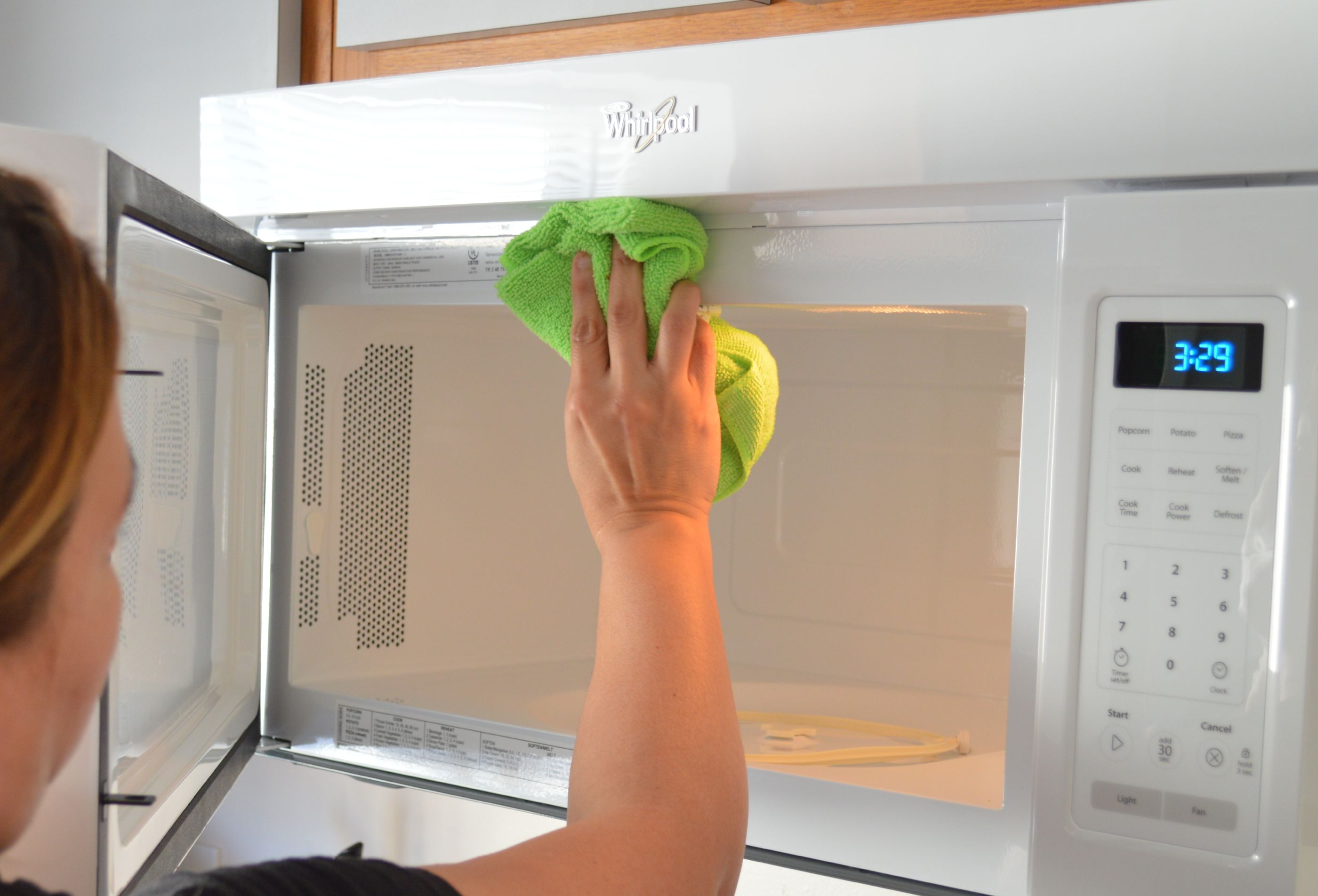
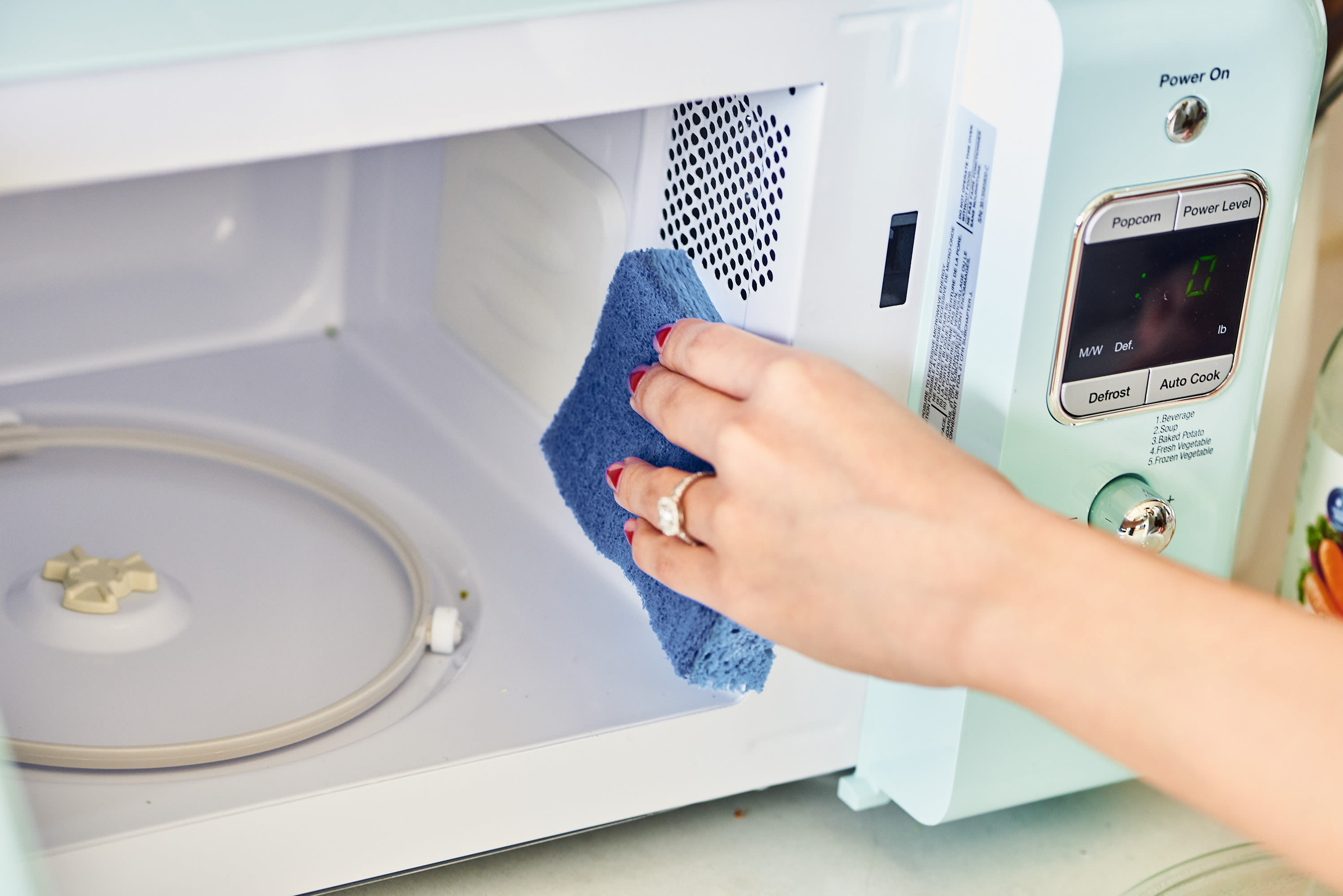
Wipe the ceiling, walls, floor, and inside of the door with a damp microfiber cloth. Work from the top down so loosened moisture and grime do not fall onto areas you have already cleaned.
For stuck spots, place the damp cloth over the area for a minute. Then wipe again. Do not scrape the microwave lining with a knife, metal tool, or dry salt crystals.
6. Clean the door seal and vents
Use a soft, damp cloth around the door seal. A soft toothbrush can help clean small grooves, but do not pull, bend, or remove the seal.
Keep water away from vents, control panels, and openings. A damp cloth is safer than spraying cleaner directly into the microwave.
7. Dry and replace the parts
Dry the inside with a clean towel. Wash and dry the turntable and support ring before putting them back.
Leave the door open for a few minutes if moisture remains inside. A dry interior helps reduce lingering smells and prevents moisture from collecting around the door.

Why Salt Can Help—and What It Cannot Do
Salt can support microwave cleaning, but it is not the main source of cleaning power. Steam loosens the mess; the cloth removes it.
Dissolved salt may help with light residue and some odors. However, ordinary table salt does not dissolve baked-on grease or sanitize a dirty microwave by itself. It also does not remove mold or repair a damaged interior coating.
Do not use salt as a dry abrasive. Salt crystals can scratch some surfaces, especially if you rub them against the microwave’s interior coating, painted areas, or glass. Scratches can make future cleaning harder.
The method works best for:


- Dried soup or sauce splashes
- Small food spots
- Light grease
- Crumbs stuck to the floor
- Mild food odors
It may not work well for:
- Burnt food
- Thick grease
- Melted plastic
- Smoke damage
- Rust
- Peeling or chipped interior coating
For these problems, stop using the microwave if the interior is damaged or if the unit sparks. Check the owner’s manual or contact the manufacturer for repair guidance.

How to Remove Tough Microwave Stains
If one salt-steam cycle does not remove the stain, do not increase the salt or scrub harder right away. Repeat the steam step once, then use gentle mechanical cleaning.
For a stubborn spot:
- Turn off and unplug the microwave if you need to inspect or clean near openings.
- Place a warm, damp cloth over the stain for one to two minutes.
- Wipe with a soft sponge.
- Use a small amount of mild dish soap on the cloth if the manual allows it.
- Wipe again with a clean damp cloth to remove soap.
- Dry the area fully.
Never use steel wool, scouring powder, a knife, or a metal scraper. These can damage the interior surface.
If grease has built up near the ceiling, use several short wiping sessions rather than flooding the area with water. Liquid should never run into the vents or control panel.
Burnt food and smoke smells
A salt-water treatment may reduce a mild odor, but it will not always remove smoke from burnt food. Clean the ceiling, walls, turntable, and door seal. Then ventilate the room.
If the smell remains after cleaning, check for:
- Burned food hidden under the turntable
- Grease on the ceiling
- A dirty waveguide cover
- A scorched interior surface
- Electrical damage
The waveguide cover is the small panel inside many microwaves. Do not remove it unless the manufacturer specifically instructs you to do so.

Microwave Cleaning Safety Rules
Use these precautions every time:
- Use only a microwave-safe bowl.
- Do not heat dry salt.
- Do not use metal tools or metal scrubbers.
- Do not seal the bowl or container.
- Do not leave the microwave unattended while heating.
- Let the bowl cool before handling it.
- Use oven mitts for hot glass or ceramic.
- Keep liquid away from vents and controls.
- Do not spray cleaner into the microwave.
- Do not operate the microwave when it is empty.
- Stop using the microwave if it sparks, smokes, or has a damaged door or interior.
Hot water can cause burns even when it does not appear to be boiling. Microwave-heated liquids may also heat unevenly. Move the bowl slowly and avoid placing your face over it when opening the door.
If a microwave catches fire, keep the door closed, turn off or unplug the appliance if you can do so safely, and call 911 if the fire does not stop. Opening the door can feed the fire with oxygen.


Common Mistakes to Avoid
Using too much salt
More salt does not mean better cleaning. A heavy concentration can leave crystals or residue behind. Start with 1 tablespoon per cup of water.
Scrubbing with dry salt
Dry salt may seem like a natural scrub, but the crystals can scratch the interior. Dissolve the salt in water and use a soft cloth instead.
Heating the bowl for too long
Long heating can boil away the water and damage the bowl. Use short heating times and check that liquid remains.
Cleaning while the microwave is plugged in near wet areas
Wiping the normal interior is usually simple, but do not allow water to enter vents, electrical openings, or the control panel. Unplug the appliance before deeper cleaning.
Ignoring the turntable track
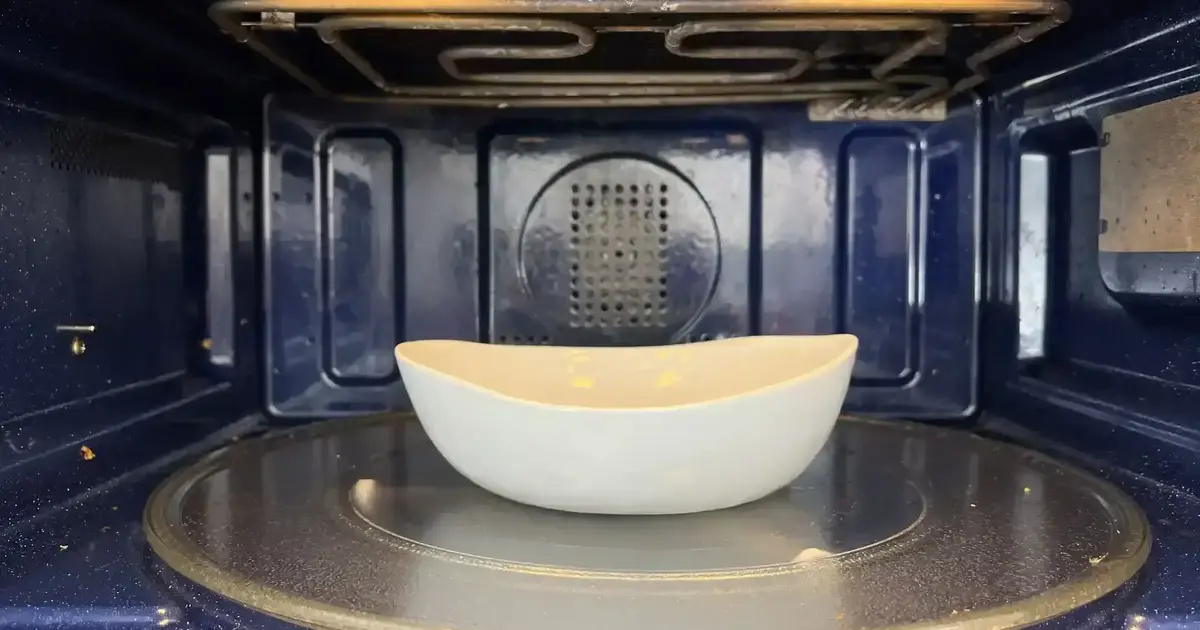
Food often collects under the turntable ring. Remove both parts and clean the track, wheels, and cavity floor.
Using bleach or harsh chemicals
Harsh products can leave fumes or residue inside a chamber used to heat food. Use mild dish soap only when the manufacturer permits it, and wipe away all residue.
Salt and Water vs. Other Microwave Cleaning Methods
Salt water is a useful low-cost option, but it is not the only choice.
| Method | Best for | Main benefit | Main limit |
|---|---|---|---|
| Salt and water | Light stains and mild odors | Simple ingredients and steam | Salt does not dissolve heavy grease |
| Plain water | Light food spots | Steam without residue | May do little for odor |
| Water and mild dish soap | Grease and food film | Better grease removal | Requires careful rinsing |
| Water and white vinegar | Odor and light residue | Strong smell-cutting effect | Vinegar odor may linger |
| Commercial microwave cleaner | Heavy routine buildup | Ready-to-use formula | Follow the label and ventilation advice |
Never mix vinegar with bleach or other chemicals. For routine cleaning, plain water or salt water is often enough when the microwave is wiped soon after spills occur.

How Often Should You Clean a Microwave?
Wipe small spills as soon as the microwave cools. Clean the full interior about once a week if the microwave receives daily use, or whenever food buildup becomes visible.
Clean it sooner when:
- Food has splattered on the ceiling
- Grease feels sticky
- A smell remains after heating
- Food has dried onto the turntable
- Smoke or steam has left a film on the door
Quick cleaning prevents food from hardening. A short steam treatment is usually easier than trying to remove several weeks of baked-on residue.
Frequently Asked Questions
Can I clean a microwave with salt without water?
No. Do not heat dry salt inside a microwave. Dry salt can create hot spots, scatter, or contribute to arcing if it contacts damaged areas or metal. Dissolve it in water and use the steam from the heated liquid.
Does salt disinfect a microwave?
No. Salt is not a reliable disinfectant for microwave surfaces. Steam and wiping remove food residue, but they should not be described as sterilization. For normal household cleaning, remove visible food and grease, then dry the surface.
How much salt should I use to clean a microwave?
Use about 1 to 2 tablespoons of salt in 1 cup of water. More salt is not necessary and may leave residue. The water and steam do most of the work.
Can I use Epsom salt or bath salt?
Plain table salt is the simplest choice. Avoid bath salts, scented salts, and products containing oils, dyes, or added chemicals. These ingredients can leave residue or produce unwanted odors when heated.
What should I do if my microwave still smells after cleaning?
Clean the turntable, support ring, door seal, ceiling, and waveguide-cover area with care. Leave the door open briefly to air out the chamber. If the smell is burnt, electrical, or persistent, stop using the microwave and seek manufacturer or appliance-service advice.

Final Takeaway
To clean a microwave with salt, heat 1 cup of water mixed with 1 to 2 tablespoons of salt in a microwave-safe bowl for about 3 to 5 minutes. Let the steam work for 5 minutes, then wipe the softened residue with a soft cloth.
The key point is simple: water provides the steam, and wiping removes the dirt. Use salt as a mild aid, not as a dry scrub or disinfectant. For the best results, clean spills soon, avoid harsh tools, and stop using the appliance if it sparks or has interior damage.

Appliance Review Expert
Lucas Ramirez is a trusted voice at HomeFixGrid.com, known for his clear, practical, and creatively written guides that simplify appliance care for everyday homeowners. With a strong focus on hands-on testing and real-world problem-solving, Lucas brings expert insight into appliance reviews and troubleshooting techniques. Her work empowers readers to confidently maintain, repair, and choose the right appliances for their homes.