What Temperature Should My GE Refrigerator Be Set At: 37°F
Introduction
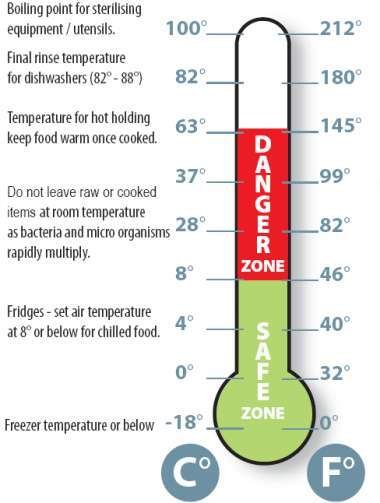
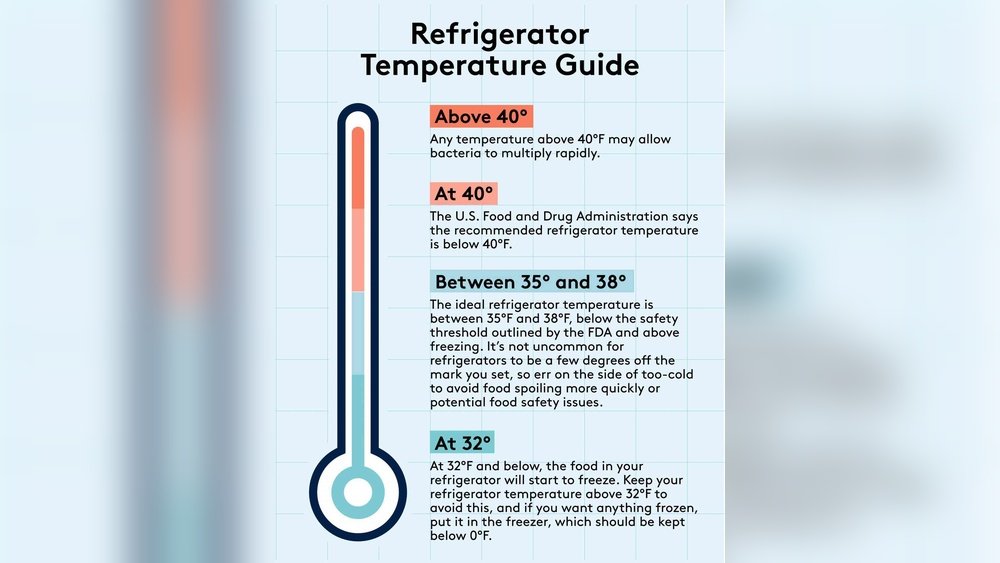
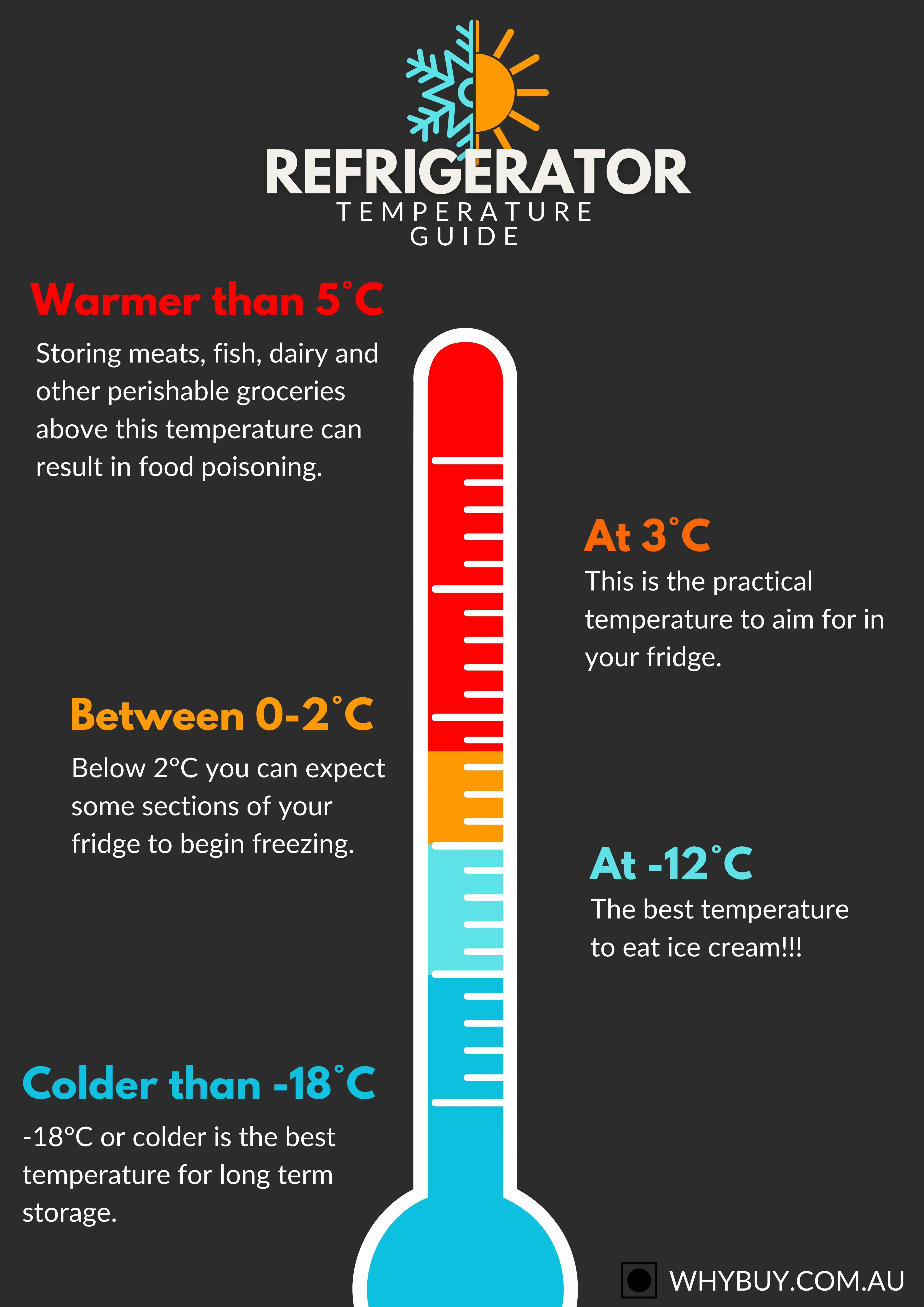
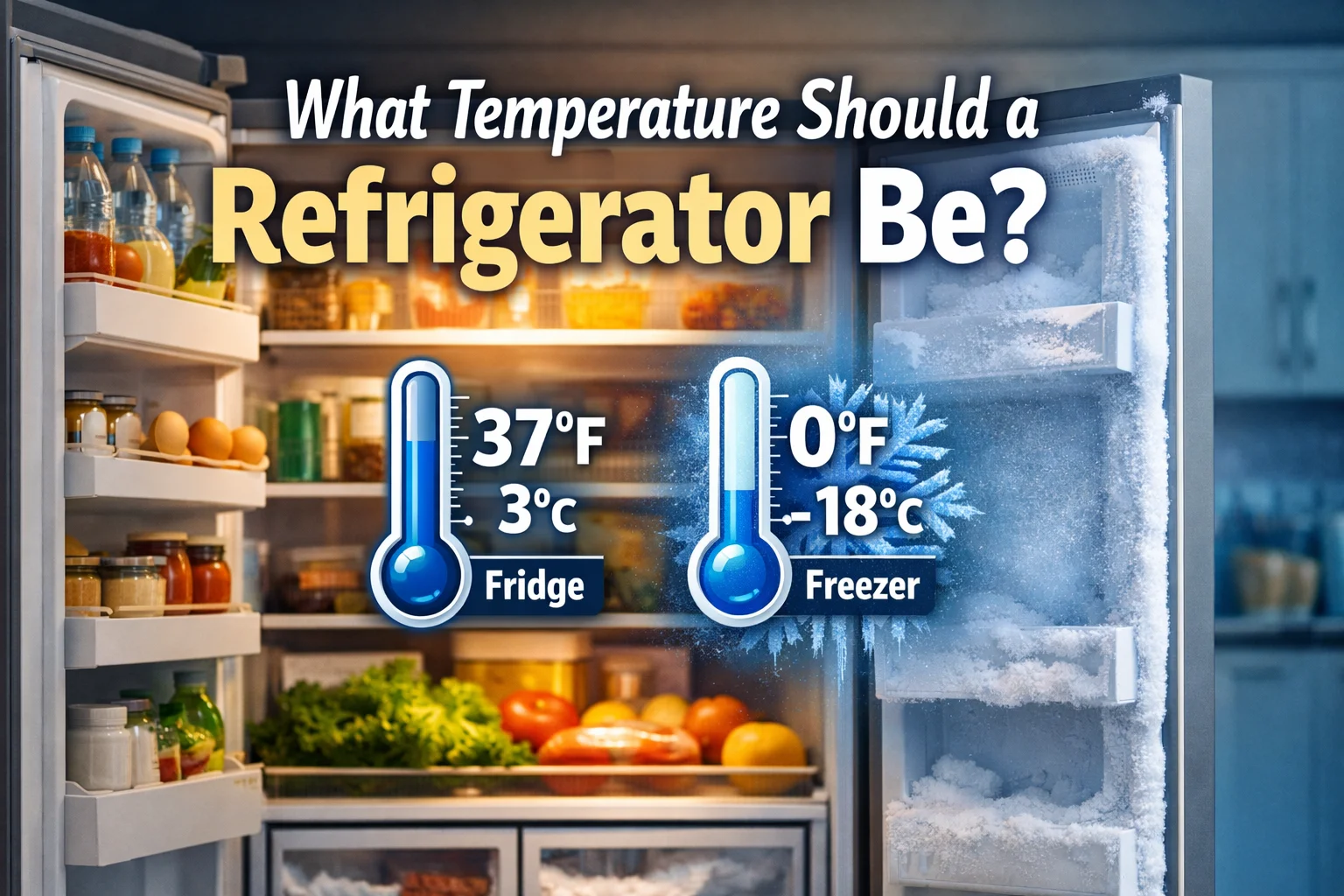
For a GE refrigerator in the United States, set the fresh-food section to 37°F (3°C). Set the freezer to 0°F (-18°C). The refrigerator should stay at 40°F (4°C) or below to help slow harmful bacterial growth, according to the U.S. Food and Drug Administration.
The 37°F setting gives most GE refrigerators a small safety margin. The actual temperature inside may change based on the model, room temperature, door openings, food load, and where you place the thermometer.

Key Takeaways
- Set the GE refrigerator compartment to 37°F.
- Set the GE freezer to 0°F.
- Keep the refrigerator at 40°F or below.
- Use a separate appliance thermometer to check the real temperature.
- Wait about 24 hours after changing the setting before checking the result.
- Keep food away from air vents, and do not pack the refrigerator so tightly that air cannot move.
- If the refrigerator stays above 40°F, check the door seal, airflow, condenser area, and temperature controls.
Why 37°F Is the Best GE Refrigerator Setting
A setting of 37°F balances food safety and food quality for most homes. It is cold enough to keep perishable foods chilled while avoiding the freezing that may occur in some parts of the refrigerator when the control is set too low.


The FDA recommends keeping a refrigerator at 40°F or below. GE commonly lists a factory setting of 37°F for the refrigerator compartment and 0°F for the freezer compartment, although the exact controls and display may differ by model.
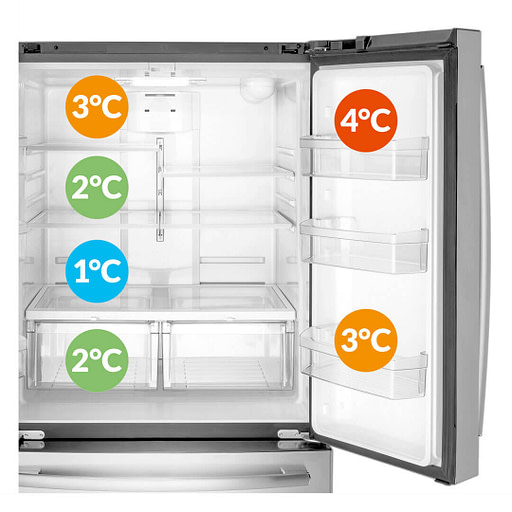
The number on the control is a target, not a promise that every shelf will have the same temperature. Cold air may collect near the back wall or bottom shelf. The door shelves are often warmer because the door opens frequently.
Recommended GE refrigerator temperatures
| Area | Recommended temperature | Purpose |
|---|---|---|
| Fresh-food compartment | 37°F (3°C) | Normal daily storage |
| Safe upper limit | 40°F (4°C) | FDA food-safety limit |
| Freezer | 0°F (-18°C) | Long-term frozen storage |
| Short-term adjustment | 34–36°F | Useful when the refrigerator runs warm, if food does not freeze |
Do not use the freezer setting to fix a warm fresh-food section. The two compartments have related airflow systems, but each control serves a different purpose.
How to Set the Temperature on a GE Refrigerator
The adjustment method depends on the GE model. Many GE refrigerators use electronic buttons, a touch screen, or a dial inside the fresh-food compartment.
GE models with electronic controls
- Find the Refrigerator Temperature or Fridge control.
- Set it to 37°F.
- Find the Freezer Temperature control.
- Set it to 0°F.
- Close the doors and wait about 24 hours.
- Check the temperature with an appliance thermometer.
On some GE models, pressing the temperature button changes the displayed target. On others, you may need to press the lock, settings, or mode button first. The owner’s manual is the best source for the exact button sequence.
You can search for the manual through GE Appliances support by entering the model number. The model number is often found on a label inside the fresh-food compartment.
GE models with dial controls
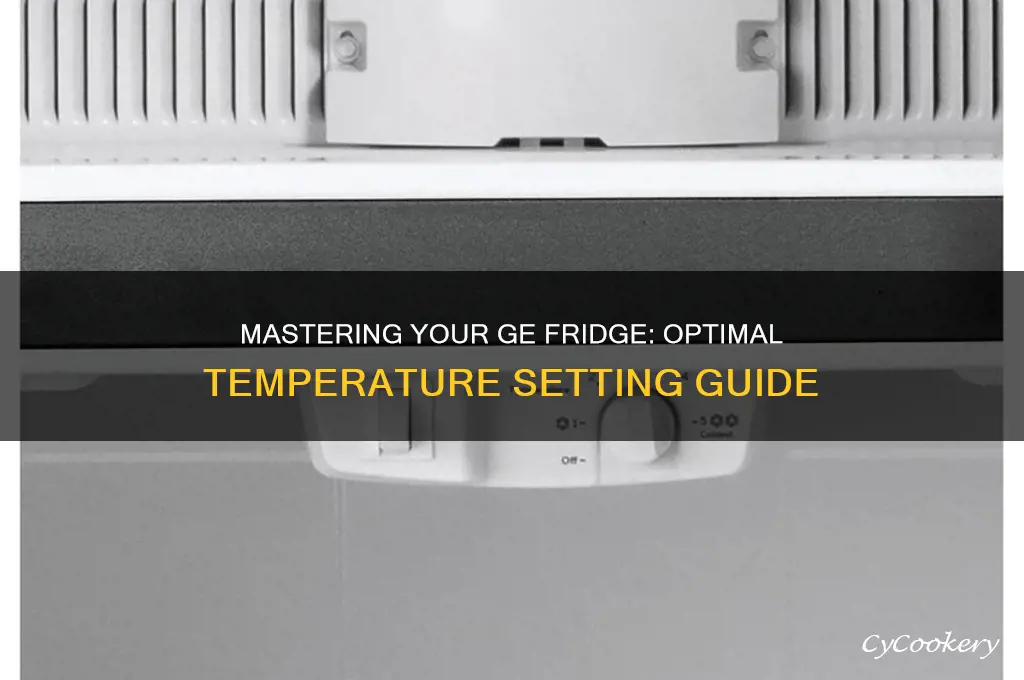
a dial marked from 1 to 9 does not always mean a specific temperature. On many dial-controlled refrigerators, a higher number means more cooling, not a colder displayed temperature.
Start near the factory or middle setting. Place a thermometer in the refrigerator, wait 24 hours, and adjust one step at a time. Avoid turning the dial repeatedly within a few hours because the refrigerator needs time to respond.
GE models with a convertible drawer
Some GE refrigerators have a temperature-controlled drawer. That drawer may have separate settings for meat, beverages, produce, or other foods.
Use the refrigerator compartment setting for the main fresh-food area. Follow the drawer instructions in the manual because its temperature range may be different from the main compartment.


How to Check the Actual Temperature
The display on a GE refrigerator shows the selected target on many models. It may not show the exact temperature of the food or air at every moment.
To check the real temperature:
- Place an appliance thermometer in a glass of water.
- Put the glass on a middle shelf in the fresh-food compartment.
- Leave it undisturbed for several hours, preferably overnight.
- Read the thermometer without leaving the door open for long.
- Repeat the test in the freezer with a freezer thermometer.
The water helps reduce quick temperature swings when the door opens. A thermometer placed in open air may react too quickly to a short burst of cold air.
Where to place the thermometer
The middle shelf is a useful starting point because it gives a general reading. If you are checking a suspected warm or frozen area, take a second reading near that location.
Do not place the thermometer:
- Against the rear wall
- Directly beside an air vent
- In the refrigerator door
- On top of food that may block it
- In a drawer unless you are checking that drawer
A refrigerator can have warm and cold zones. The goal is not to make every point exactly 37°F. The goal is to keep normal food-storage areas cold enough without freezing delicate food.
How Long Does a GE Refrigerator Take to Reach the Set Temperature?
A GE refrigerator may need about 24 hours to settle after a temperature change. It may take longer after installation, after adding a large amount of warm food, or after the doors have remained open.
Keep the doors closed as much as possible during this period. Changing the setting again after only 30 minutes can make troubleshooting harder because the refrigerator has not had time to respond.
After 24 hours:
- If the refrigerator is between about 34°F and 40°F, the setting is usually working as intended.
- If food is freezing, raise the refrigerator setting slightly.
- If the refrigerator is above 40°F, look for an airflow, door-seal, loading, or cooling problem.
- If the freezer is well above 0°F, check the freezer door, frost buildup, and cooling system.
A warm reading immediately after loading groceries does not always mean the appliance has failed. Warm food adds heat, and the refrigerator must remove it.

What to Do If Your GE Refrigerator Is Too Warm
If the fresh-food compartment remains above 40°F after 24 hours, check the simple causes first.
1. Check the temperature setting
Confirm that the refrigerator is set near 37°F. Some models may display a number that changed after a power interruption, cleaning, or accidental button press.


If the display shows “Cooling Off,” “Demo,” or “Showroom” mode, the refrigerator may not be cooling. Turn cooling back on according to the owner’s manual.
2. Check the door seal
Close the door on a thin sheet of paper. If the paper slides out with little resistance in several places, the gasket may not be sealing well.
Also check for:
- Food packages holding the door open
- A crooked shelf or drawer
- A damaged gasket
- Dirt on the gasket
- A refrigerator that is not level
Clean the gasket with mild soap and water. Do not use sharp tools or harsh chemicals that could damage it.
3. Check airflow
Cold air must move through the refrigerator. Do not cover vents with containers, bags, or large trays.
Leave space between food and the rear wall. A full refrigerator can hold temperature well, but overpacking can block air circulation.
4. Check the room and installation area
A refrigerator may struggle in a very hot room or when installed too close to a wall. Follow the clearances listed in the GE owner’s manual.
Keep the appliance away from direct sunlight, ovens, and other heat sources when possible.
5. Check for heavy frost
A thick layer of frost on the freezer’s rear wall can restrict airflow and reduce cooling. Unplugging a refrigerator to remove frost is not always the correct repair, especially on models with electronic controls or a sealed cooling system.
If frost returns quickly, the cause may involve the defrost system, door seal, fan, or another part. A qualified appliance technician should diagnose it.
What to Do If Your GE Refrigerator Is Too Cold
A GE refrigerator that is too cold may freeze lettuce, fruit, drinks, or food near an air outlet.
Try these steps:
- Confirm the thermometer reading.
- Move food away from the rear wall and air vents.
- Raise the refrigerator setting by one degree or one dial mark.
- Wait 24 hours.
- Check the temperature again.
Food placed near an active vent can freeze even when the middle shelf is at a safe temperature. Some drawers also have colder zones than the main compartment.
If food continues to freeze throughout the refrigerator, the problem may involve a damper, thermistor, control, or airflow system. Do not keep raising the temperature if other food is already above 40°F.


Best Temperature for Different Foods in a GE Refrigerator
The main refrigerator setting should stay around 37°F, but food placement also matters.
Store these foods in the coldest consistent area
- Raw meat, poultry, and seafood should go in a sealed container on the lowest shelf or in a meat drawer.
- Milk and other dairy products usually keep better on an interior shelf than in the door.
- Eggs should stay in their carton on an interior shelf.
- Ready-to-eat food should be kept above raw meat to reduce the chance of drips contaminating it.
The door is usually the warmest part of the refrigerator. Use it for items that tolerate small temperature changes, such as condiments and some drinks.
Do not rely on smell or appearance to decide whether food is safe. Bacteria that cause illness may not change the food’s smell, taste, or appearance.
Does the GE Setting Number Equal the Actual Temperature?
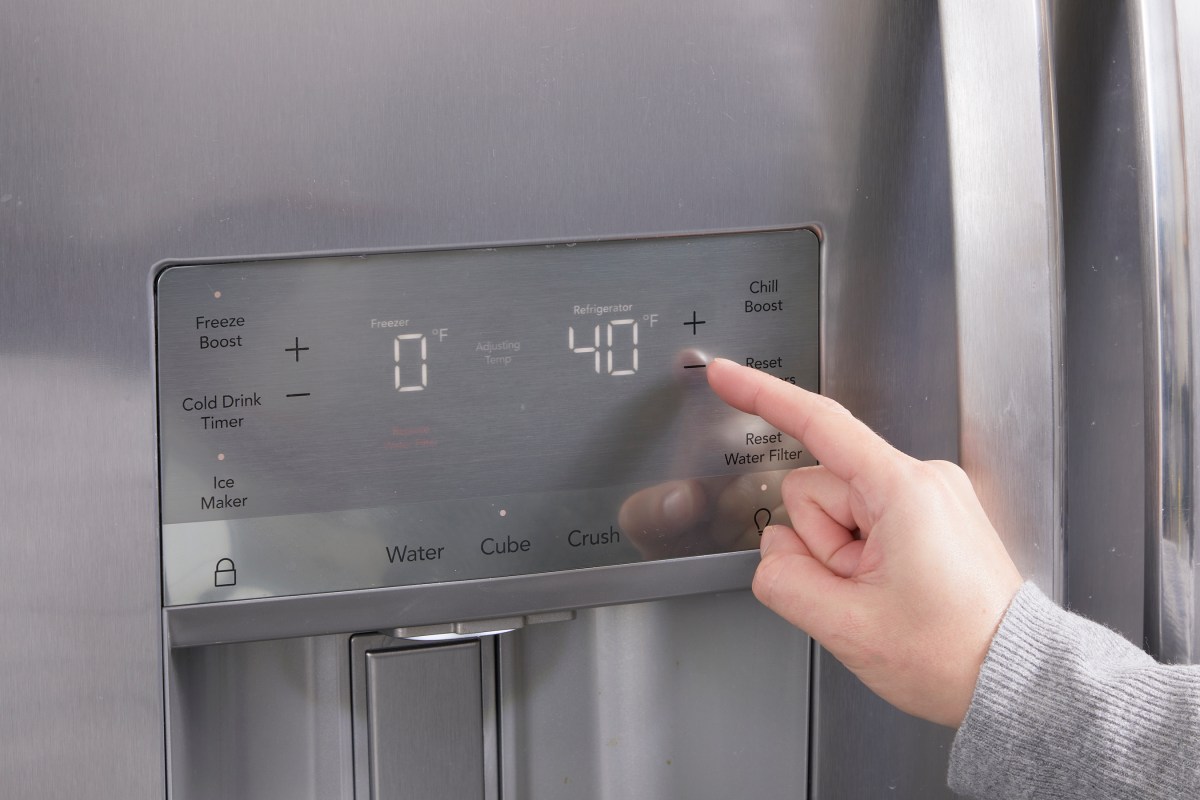
No. A GE temperature setting is usually a control target. It is not a direct reading of every shelf or food item.
On a digital model, setting the refrigerator to 37°F tells the control system what temperature to seek. The actual temperature can move above or below that target during a cooling cycle.
On a dial model, the numbers may show cooling intensity rather than degrees Fahrenheit. A setting of 5 does not necessarily mean 5°F.
That is why a separate appliance thermometer is useful. It shows whether the compartment is actually staying within a safe range.
Should You Set a GE Refrigerator Colder in Summer?
Usually, start with the normal settings: 37°F for the refrigerator and 0°F for the freezer.
A hot kitchen, frequent door openings, or many warm groceries may raise the internal temperature for a while. Check the thermometer before changing the control.
If the refrigerator remains too warm, lower the temperature one step or one degree and wait 24 hours. If the room is very hot, also check the installation clearance, door seal, and condenser area.
Do not set the refrigerator as cold as possible without measuring it. Excessively cold settings can freeze food and increase energy use without solving an underlying mechanical problem.
GE Refrigerator Temperature Troubleshooting Table
Use this table to match the symptom with the most useful first check.
| Symptom | Possible cause | First action |
|---|---|---|
| Food is warm, but the display says 37°F | Display shows target, not actual temperature | Check with an appliance thermometer |
| Food freezes near the back wall | Food is too close to a vent or cold surface | Move food and check airflow |
| Door shelves feel warm | Door area changes temperature more often | Keep highly perishable food on interior shelves |
| Refrigerator is above 40°F | Door seal, blocked vent, overload, or cooling fault | Check seal, loading, and airflow |
| Freezer has thick frost | Door leak or defrost problem | Check the seal and arrange service if frost returns |
| Temperature changes after groceries are added | Warm food temporarily raises air temperature | Keep doors closed and recheck after 24 hours |
| Refrigerator does not cool at all | Cooling may be off or the appliance may have a fault | Check for Cooling Off or Demo mode |
Move perishable food to another working refrigerator if the GE unit has stayed above 40°F for an extended period. When in doubt about food safety, follow the FDA’s food storage guidance rather than taste-testing the food.

Common Mistakes to Avoid
Changing the setting too often
A refrigerator needs time to react. Make one adjustment, then wait about 24 hours before judging the result.
Trusting the display alone
The display may show the selected temperature. Use a thermometer to confirm the food compartment’s actual temperature.
Blocking the vents
Large containers and bags can stop cold air from reaching other shelves. Keep vents clear.
Storing milk in the door
The door is exposed to warm room air each time it opens. Store milk and other highly perishable foods on an interior shelf.
Setting the refrigerator below freezing
A colder setting is not always safer. Some foods may freeze, and the lower setting may not fix a failed fan, seal, damper, or defrost system.
Ignoring a warm freezer
A freezer that cannot stay near 0°F can point to the same airflow or cooling problem affecting the refrigerator. Check both compartments.
When to Call for GE Refrigerator Service
Arrange professional service when the refrigerator stays above 40°F after basic checks and a full 24-hour cooling period.
Service is also appropriate when:
- The compressor runs almost constantly
- The refrigerator makes unusual repeated clicking sounds
- A fan does not run when it should
- Frost quickly returns after defrosting
- The display shows an error code
- The refrigerator leaks water
- The door does not align or seal
- The freezer and refrigerator are both warm
Do not remove sealed-system components or handle refrigerant yourself. Those repairs require specialized tools and training.
If the refrigerator has no power, check the outlet and circuit breaker first. Unplug the appliance before cleaning around electrical parts, and follow the safety instructions in the GE manual.

Frequently Asked Questions
Is 37°F cold enough for a GE refrigerator?
Yes. 37°F is a standard target for many GE refrigerators and is below the FDA’s 40°F maximum recommendation for refrigerated food. Confirm the actual temperature with an appliance thermometer.
Is 35°F too cold for a GE refrigerator?
Not always, but 35°F may cause freezing in some areas, especially near the rear wall or air vents. Use 35°F only if the refrigerator is running too warm at a higher setting and food does not freeze.
Why does my GE refrigerator say 37°F but my food is warm?
The display may show the selected target rather than the current temperature. Other causes include blocked vents, a weak door seal, frequent door openings, warm groceries, or a cooling-system fault.
How long should I wait after changing my GE refrigerator temperature?
Wait about 24 hours before making another adjustment. Keep the doors closed as much as possible during that time.
What temperature should a GE freezer be?
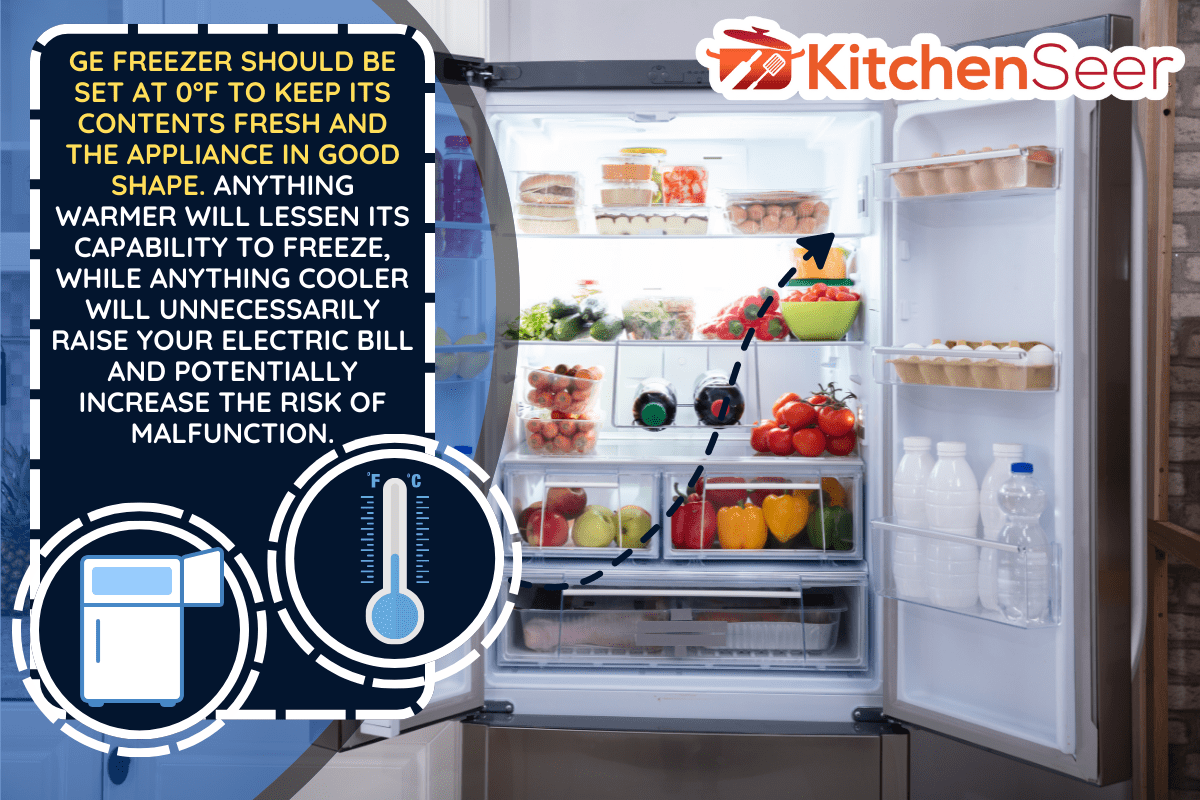
Set the GE freezer to 0°F (-18°C). A separate freezer thermometer can confirm whether it is holding that temperature.
Conclusion
Set your GE refrigerator to 37°F and the freezer to 0°F. Keep the refrigerator at or below 40°F, and verify the actual temperature with an appliance thermometer.
If the temperature is wrong, check the setting, wait 24 hours, clear the vents, inspect the door seal, and avoid overloading the compartment. If the refrigerator still cannot hold a safe temperature, protect the food by moving it to another appliance and contact qualified GE appliance service.

Appliance Review Expert
Lucas Ramirez is a trusted voice at HomeFixGrid.com, known for his clear, practical, and creatively written guides that simplify appliance care for everyday homeowners. With a strong focus on hands-on testing and real-world problem-solving, Lucas brings expert insight into appliance reviews and troubleshooting techniques. Her work empowers readers to confidently maintain, repair, and choose the right appliances for their homes.