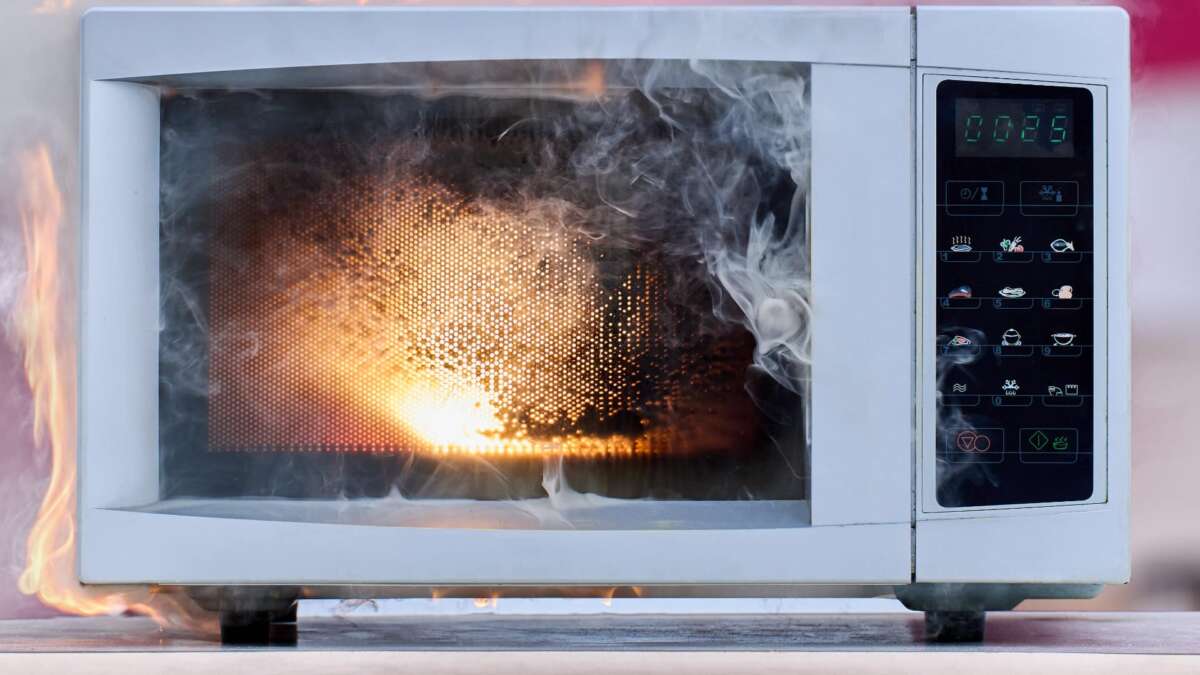
How To Get Burnt Plastic Smell Out Of Microwave: Fast Fix
Remove the plastic source, air out the microwave, then clean it with vinegar, baking soda, or lemon steam.
A burnt plastic smell in a microwave can cling to the walls, ceiling, turntable, and air vents long after the mess is gone. I have found that the best results come from combining safe cleaning, odor absorption, and plenty of fresh air rather than masking the smell with perfume. This guide explains how to get burnt plastic smell out of a microwave, when home cleaning is enough, and when the appliance needs professional attention.

First, make the microwave safe
Before learning how to get burnt plastic smell out of a microwave, remove the source of the odor. A melted container, plastic wrap, bag, lid, or food package can keep releasing a strong smell each time the microwave warms up.
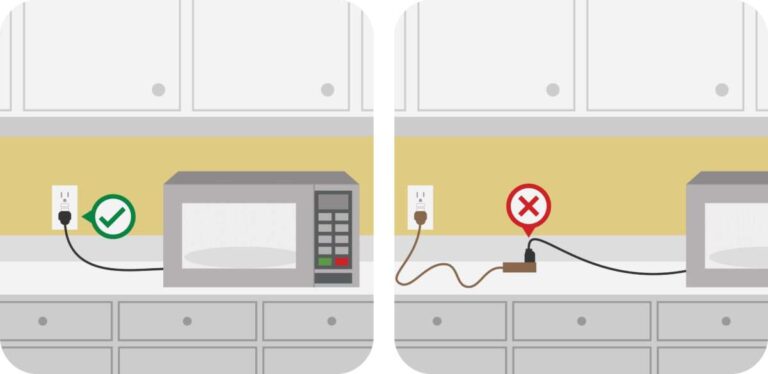
Unplug the microwave before cleaning it. This lowers the risk of electric shock and stops the appliance from starting while your hands are inside.
Follow these steps:
- Let the microwave cool fully if it was used recently.
- Unplug it from the wall.
- Remove the turntable, roller ring, and any loose plastic pieces.
- Throw away food that touched melted plastic, smoke, or soot.
- Open a window or door to improve airflow.
- Keep children and pets away from the area.
Do not heat the microwave to “burn off” the odor. Heating leftover plastic can create more fumes and may damage the oven. Also, never use bleach, ammonia, or strong solvent cleaners inside a microwave unless the manufacturer specifically allows them.
If you see flames, heavy soot, melted wiring, cracked panels, or damage near the door, stop using the appliance. A lingering odor is one issue; electrical or fire damage is another.
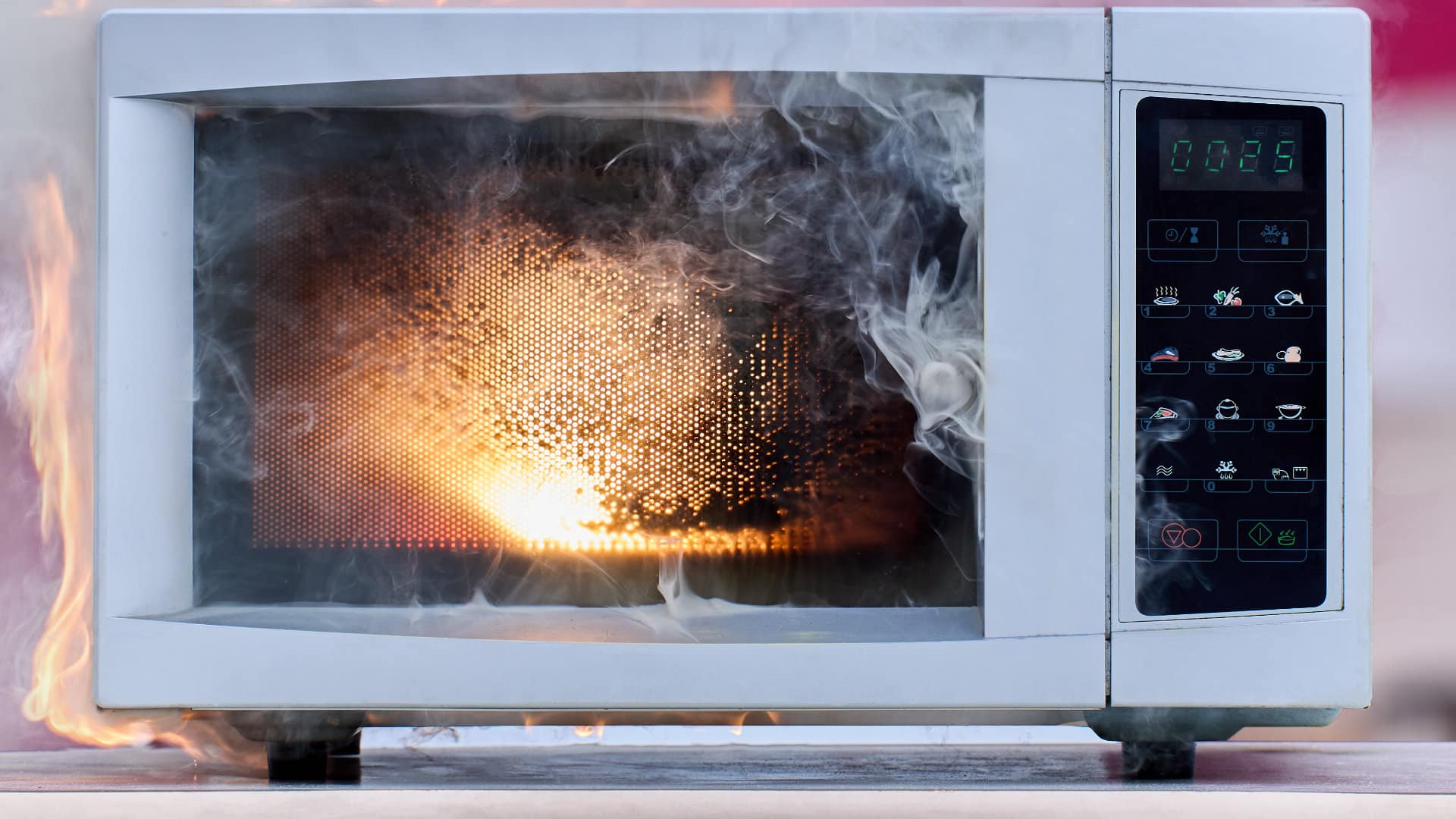
How to get burnt plastic smell out of microwave step by step
The most reliable method uses several small steps. Think of the odor like smoke trapped in fabric. One quick wipe may remove the stain, but ventilation and repeated cleaning are often needed to remove the smell.
1. Remove melted plastic carefully
Wear heat-resistant gloves if the plastic is hard and sharp. Lift away loose pieces with a wooden or silicone utensil. Avoid metal tools, knives, and razor blades because they can scratch the microwave cavity.
Do not pull hard on plastic stuck to the floor or walls. If it will not lift, soften it with a warm, damp cloth for several minutes. Keep water away from vents, controls, and electrical openings.
Never turn the microwave on while plastic remains inside. Even a small piece can smell again when heated.
2. Wash the removable parts
Place the glass turntable and roller ring in warm water with a small amount of dish soap. Let them soak for 10 to 15 minutes, then scrub them with a soft sponge.
Check the underside of the turntable. Grease and melted residue often collect there, where they are easy to miss. Dry every part before putting it back.
If the turntable is cracked, badly stained, or still smells after washing, replacement may be easier than continued cleaning.
3. Wipe the inside with mild soap
Mix warm water with a few drops of dish soap. Dip a soft cloth into the mixture and wring it out well.
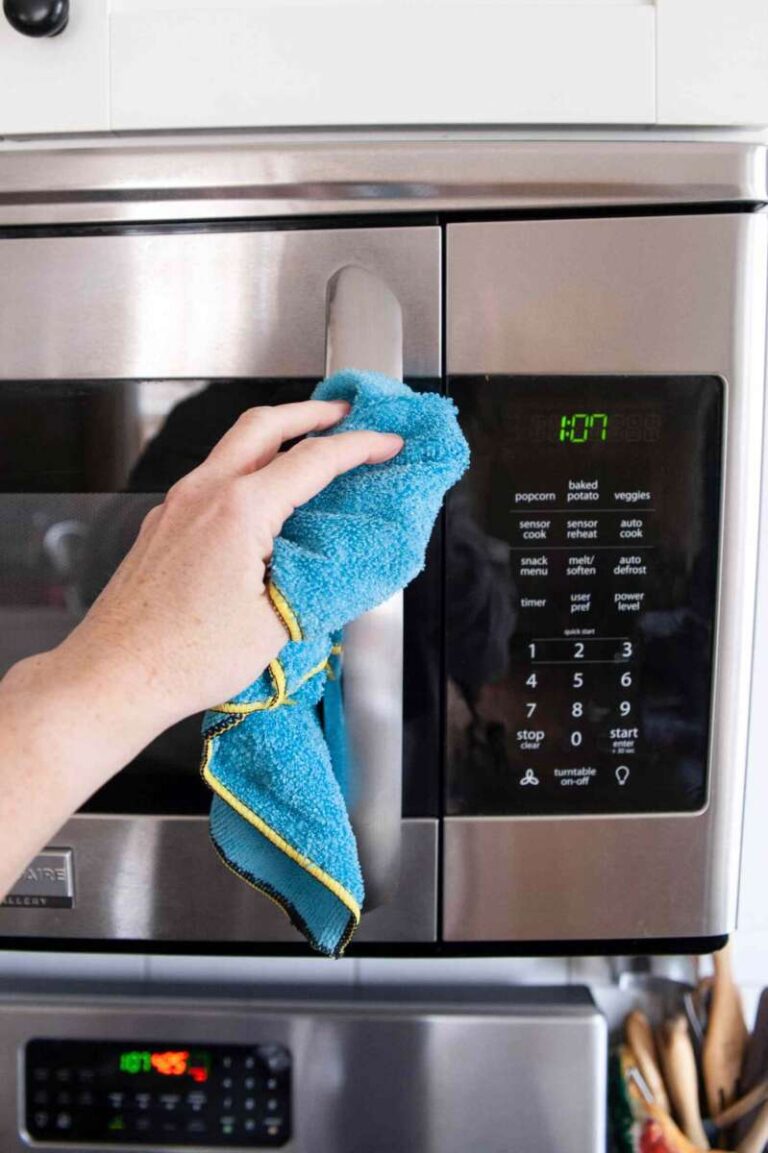
Wipe the microwave ceiling, walls, floor, door, and inside edge of the door. Pay special attention to the upper corners because smoke and grease rise and settle there.
Do not pour water into the microwave. Do not spray cleaner directly into the vents, control panel, or door openings.
4. Steam the microwave with vinegar
Vinegar steam can loosen greasy residue and reduce many food odors. It does not magically destroy every plastic odor, but it is a useful cleaning step.
Use this method:
- Add 1 cup of water and 1 tablespoon of white vinegar to a microwave-safe bowl.
- Heat it for 3 to 5 minutes, or until the liquid produces steady steam.
- Leave the door closed for another 5 minutes.
- Carefully remove the bowl with oven mitts.
- Wipe the softened residue with a clean cloth.
- Leave the door open until the interior is fully dry.
Use only a microwave-safe bowl. The liquid may be very hot, so move it slowly and keep your face away from the steam.
5. Use baking soda for lingering odor
Baking soda helps absorb odors after the inside has been cleaned. It works best when left in the appliance while the microwave is unplugged.
Put ½ cup of baking soda in a shallow, microwave-safe bowl. Place it inside and close the door overnight. Do not turn the microwave on with the baking soda inside.
The next morning, remove the bowl and wipe the interior with a damp cloth. Repeat for two or three nights if the burnt plastic smell remains.
6. Try lemon steam for a fresh finish
Lemon can help loosen light grease and leave a cleaner scent. It is most useful after you remove the melted plastic and clean the cavity.
Place several lemon slices in 1 cup of water. Microwave the bowl for 3 minutes, let it stand for 5 minutes, and then wipe the inside.
Lemon will not repair heat damage or remove plastic embedded in a surface. It should support cleaning, not replace it.

Best odor removers for burnt plastic
Different odor treatments work in different ways. Steam loosens residue, soap removes grease, and dry absorbers help capture smells that remain in the air.
White vinegar
Vinegar is useful for oily residue and many cooking odors. The vinegar scent may seem strong at first, but it usually fades after the microwave is aired out.
Use diluted vinegar only. Never mix vinegar with bleach, ammonia, or other cleaning products.
Baking soda
Baking soda is a gentle odor absorber. It is a good choice when you want to avoid adding another strong scent to the microwave.
Use fresh baking soda in an open bowl. Replace it if it becomes damp or develops a strong odor.
Activated charcoal
Activated charcoal can help with stubborn smells. Place a small charcoal odor absorber inside the unplugged microwave and leave it there for 24 to 72 hours.
Choose a product made for household odor control. Keep charcoal away from food, children, and pets.
Coffee grounds
Dry coffee grounds may absorb some odors, but they can also add a coffee smell. If you use them, place dry grounds in a shallow bowl and remove them once the odor improves.
Coffee is not as clean or predictable as baking soda or activated charcoal. It should be a backup option, not the main treatment.
Fresh air
Fresh airflow is one of the simplest parts of how to get burnt plastic smell out of a microwave. Leave the door open for several hours after cleaning, as long as the area is safe and the appliance is unplugged.
Do not block the microwave door open if it creates a trip hazard. You can also place a fan several feet away to move air across the room, but keep it away from water and the appliance.

What not to do when removing the odor
Some popular cleaning tricks can make the situation worse. Avoid these mistakes:
• Do not use an oven cleaner inside the microwave. It can damage the interior coating and leave unsafe residue.
• Do not use steel wool, abrasive powder, or a scouring pad. Scratches can make the cavity harder to clean.
• Do not scrape melted plastic with a metal knife. You may damage the protective surface.
• Do not microwave an empty bowl. Running an empty microwave can damage the magnetron.
• Do not heat charcoal, baking soda, coffee grounds, or dry paper products.
• Do not spray liquid into vents or the control panel.
• Do not mix cleaning chemicals. Bleach and ammonia can create dangerous vapors.
• Do not keep using the appliance if the smell returns every time it runs.
A mistake I often see is using air freshener inside the microwave. It may cover the odor for a few minutes, but it leaves chemicals behind and does not remove the burnt residue.

When a burnt plastic smell will not go away
Sometimes the smell does not come from the visible plastic. It may have reached the waveguide cover, ceiling, door seal, vents, or hidden areas around the cavity.
The waveguide cover is usually a small, thin panel inside the microwave. It protects important parts from food splatter. If it is burned, bubbled, cracked, or stained with carbon, do not remove it unless the owner’s manual gives clear instructions.
Contact the manufacturer or a qualified appliance technician if:
• The odor remains after two or three full cleaning cycles.
• Smoke appears during normal use.
• You see sparks, flashes, or repeated popping.
• The inside coating is peeling or badly burned.
• The door does not close or seal correctly.
• The control panel, cord, plug, or outlet shows heat damage.
• The microwave makes a new buzzing or humming sound.
• A plastic smell returns whenever the appliance heats.
A microwave with electrical damage may seem fine and still be unsafe. Professional inspection is often more sensible than trying to clean hidden parts yourself.
Can you still use the microwave after plastic melts?
That depends on the type and amount of damage. If a small amount of plastic melted on a removable container, and the microwave cavity is clean and undamaged, the appliance may be fine after inspection and testing.
However, discard food that touched melted plastic. Heat can cause chemicals from damaged plastic to transfer to food, and smoke can make food unsafe or unpleasant.
Inspect the interior for:
• Burn marks
• Blisters or bubbles
• Cracks
• Peeling paint or coating
• Melted plastic near vents
• Damage around the door
Small surface marks may not affect operation, but they can become worse over time. Follow the manufacturer’s instructions for your model, since interior coatings and waveguide covers differ.
When in doubt, ask an appliance technician to inspect it. Replacing a low-cost countertop microwave may be safer and more practical than repairing severe heat damage.
How to prevent burnt plastic smells in the future
Prevention is easier than odor removal. Many microwave plastic accidents happen when a container touches a hot surface, a lid is sealed tightly, or food packaging is used without checking its label.
Use these habits:
• Choose containers labeled microwave-safe.
• Avoid thin takeout containers unless they clearly allow microwave use.
• Remove plastic lids unless they are designed for vented heating.
• Keep plastic wrap from touching food or the inside wall.
• Use a microwave-safe cover with a vent.
• Follow package directions for frozen meals and ready-to-eat food.
• Stop heating if you smell burning, see smoke, or hear unusual popping.
• Clean food splatters soon after they happen.
• Use shorter heating periods and stir food between cycles.
• Never heat empty containers or packaging with metal trim.
“Microwave-safe” does not mean a container can handle unlimited heat. Fatty foods, sugar, and thick sauces can become very hot and may soften some plastics even when the food itself is not visibly burning.
A simple 24-hour odor removal plan
If you want a clear routine for how to get burnt plastic smell out of a microwave, use this schedule.
Immediately
Unplug the appliance, remove the plastic, discard affected food, and open nearby windows.
After the microwave cools
Wash the turntable and roller ring. Wipe the interior with warm, soapy water and a soft cloth.
Later the same day
Steam 1 cup of water with 1 tablespoon of white vinegar for 3 to 5 minutes. Let it sit for 5 minutes, then wipe the cavity dry.
Overnight
Place ½ cup of baking soda or a commercial activated charcoal absorber inside the unplugged microwave.
The next day
Remove the odor absorber and inspect the appliance. If the smell is gone and there is no damage, test the microwave with a microwave-safe cup containing water for 30 to 60 seconds.
Stop at once if you notice smoke, sparks, a burning smell, or unusual noise. Do not test an appliance that has visible electrical or fire damage.
Frequently Asked Questions
How long does burnt plastic smell last in a microwave?
A mild odor may fade within a few hours after cleaning and ventilation. A strong smell can last several days if plastic residue remains in the cavity, vents, or waveguide cover.
Is it safe to use a microwave that smells like burnt plastic?
It is not wise to keep using it while the smell is strong or returns during heating. Clean and inspect the appliance first, and stop using it if you see smoke, sparks, damaged coating, or melted parts.
Does vinegar remove burnt plastic smell from a microwave?
Vinegar can loosen greasy residue and reduce many odors, but it may not remove plastic odor from burned or melted surfaces. Use vinegar steam as one step in a larger cleaning process.
Can baking soda remove a melted plastic smell?
Baking soda can absorb leftover odor after the plastic and residue are removed. Put it in an open bowl inside the unplugged microwave, and never heat the baking soda.
Should I throw away food that touched melted plastic?
Yes. Discard food that touched melted plastic or was exposed to heavy smoke. Washing or reheating the food does not reliably remove possible chemical transfer.
Can I scrape melted plastic from the microwave floor?
Use a wooden or silicone utensil and gentle pressure after softening the residue with a warm, damp cloth. Avoid knives and metal tools because they can scratch the cavity or damage its coating.
When should I replace the microwave?
Consider replacement if the interior is badly burned, the coating is peeling, the door is damaged, or the plastic smell returns during use. A technician can help determine whether repair is safe and worthwhile.
Conclusion
The safest way to get burnt plastic smell out of a microwave is to unplug the appliance, remove every piece of plastic, wash the interior, use vinegar or lemon steam, and leave baking soda or activated charcoal inside to absorb the remaining odor. Good ventilation matters, and patience often makes the difference.
Do not ignore smoke, sparks, damaged panels, or an odor that returns during heating. Clean the microwave today, inspect it carefully, and replace or repair it if safety is uncertain. If this guide helped, share your experience or explore more appliance-care tips for a cleaner, safer kitchen.

Appliance Review Expert
Lucas Ramirez is a trusted voice at HomeFixGrid.com, known for his clear, practical, and creatively written guides that simplify appliance care for everyday homeowners. With a strong focus on hands-on testing and real-world problem-solving, Lucas brings expert insight into appliance reviews and troubleshooting techniques. Her work empowers readers to confidently maintain, repair, and choose the right appliances for their homes.