What Is A Queen Size Mattress: Dimensions & Benefits
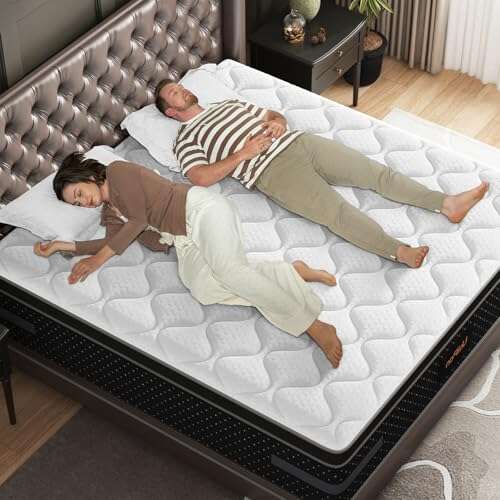
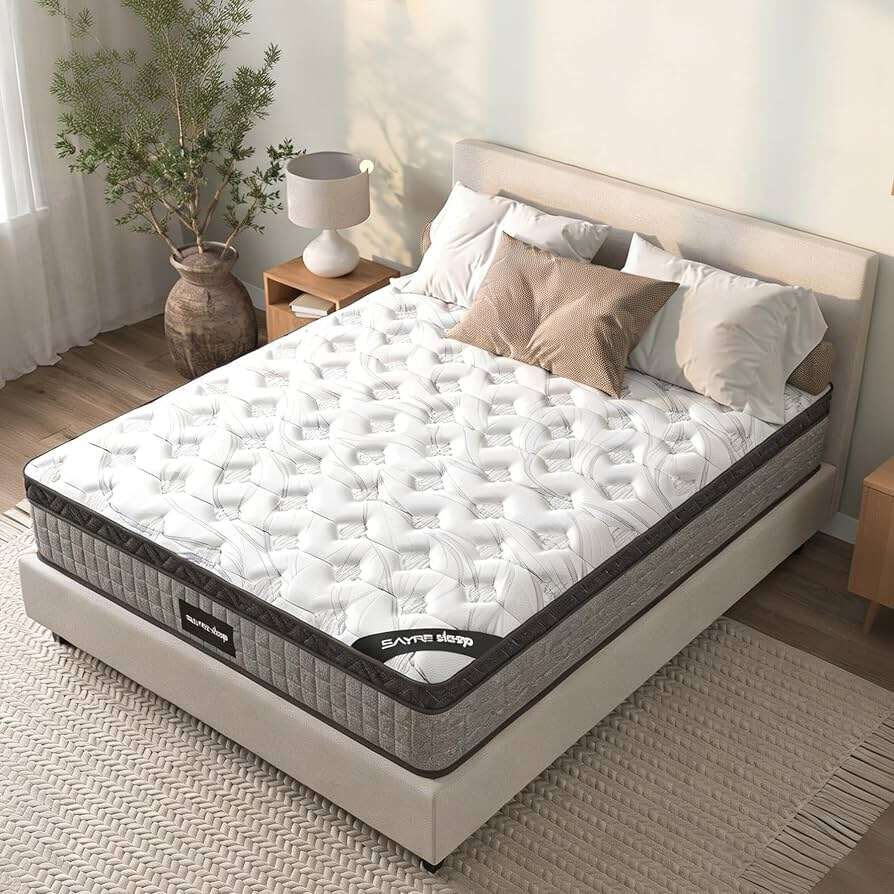
A queen size mattress is a 60-by-80-inch bed that comfortably fits one or two adults.
A queen size mattress is the most popular mattress size in the United States for good reason. It offers a useful balance of sleeping space, comfort, price, and room fit. This guide explains its exact dimensions, benefits, limits, mattress types, bed frame needs, and smart buying tips so you can choose with confidence.
What Is a Queen Size Mattress?
A queen size mattress measures 60 inches wide and 80 inches long in the United States. It gives one adult plenty of room and allows two adults to sleep together without taking up as much space as a king bed.
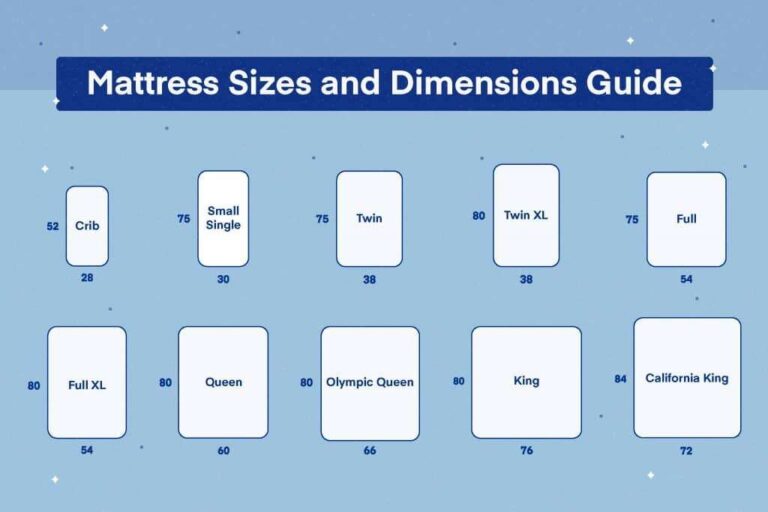
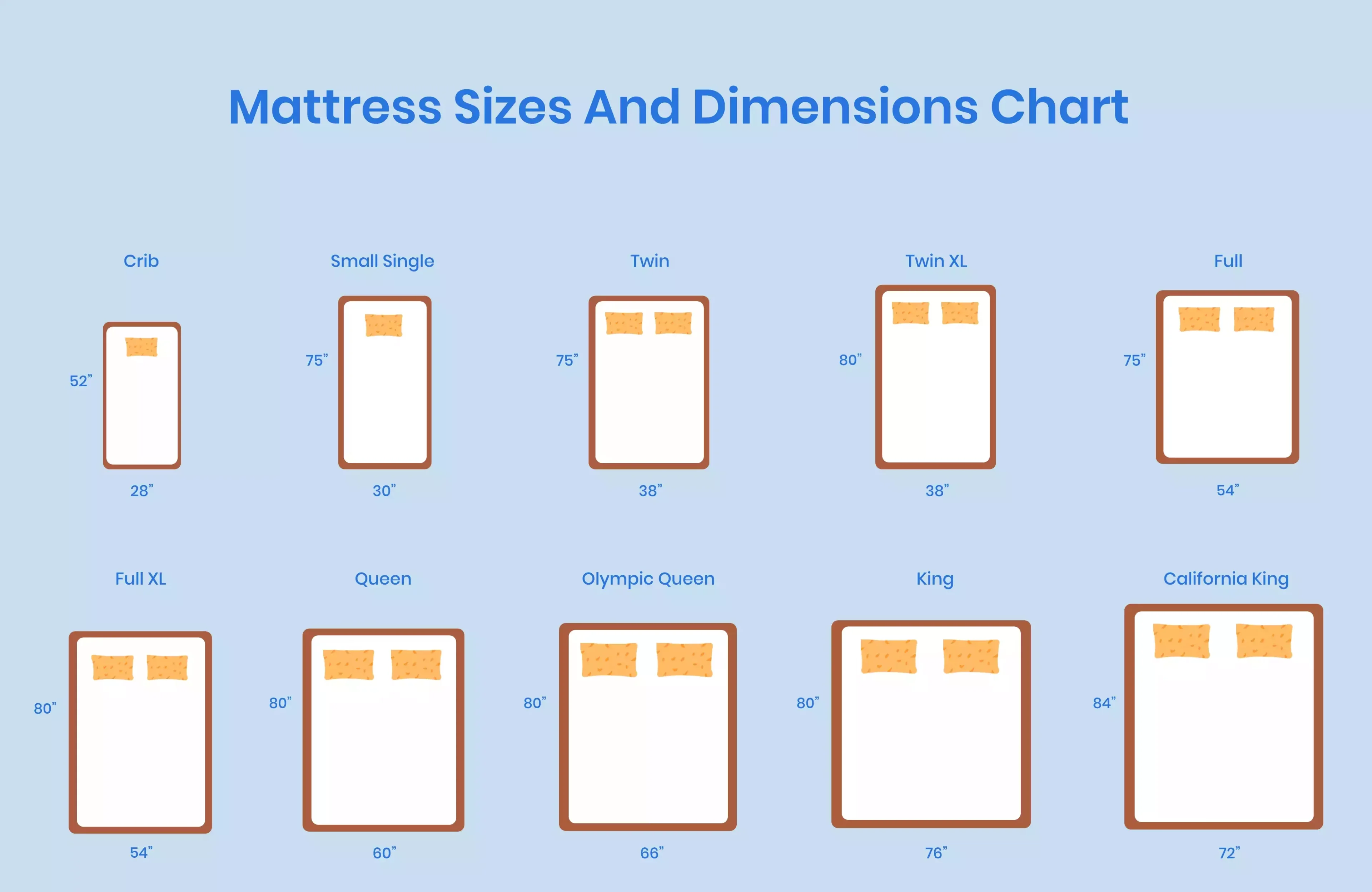
In simple terms, a queen mattress sits between a full mattress and a king mattress. It is 6 inches wider and 5 inches longer than a full mattress. Compared with a king mattress, it is 16 inches narrower but the same length.
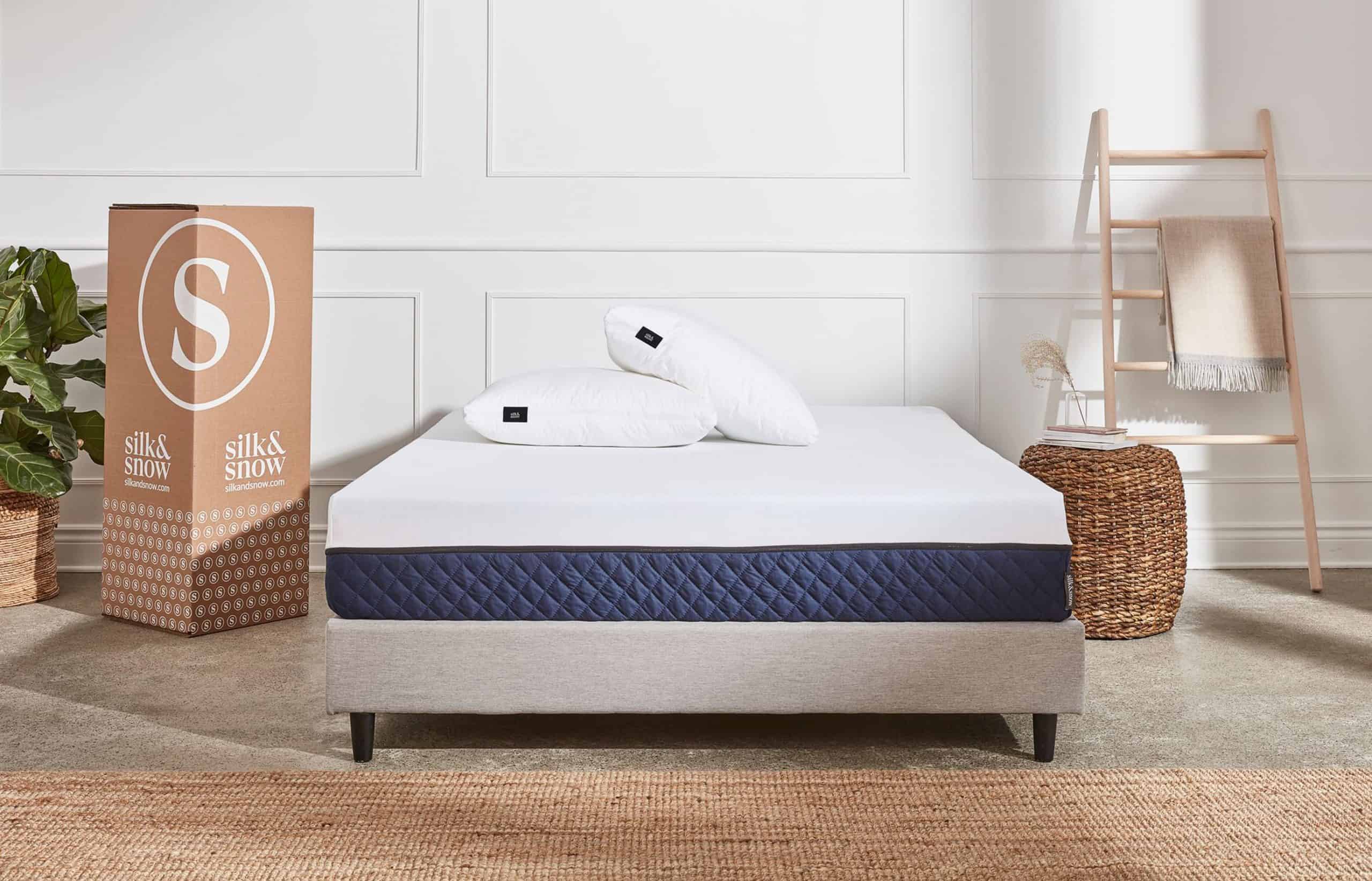
Mattress thickness varies by model. Most queen mattresses are about 8 to 16 inches thick, but some luxury or specialty mattresses may be thicker. Thickness affects the mattress height, not its floor space.
Queen Mattress Dimensions at a Glance
Knowing the measurements helps you plan your bedroom before you buy. A queen size mattress needs more than 60 by 80 inches of open floor space because the bed frame, headboard, and walking paths also need room.
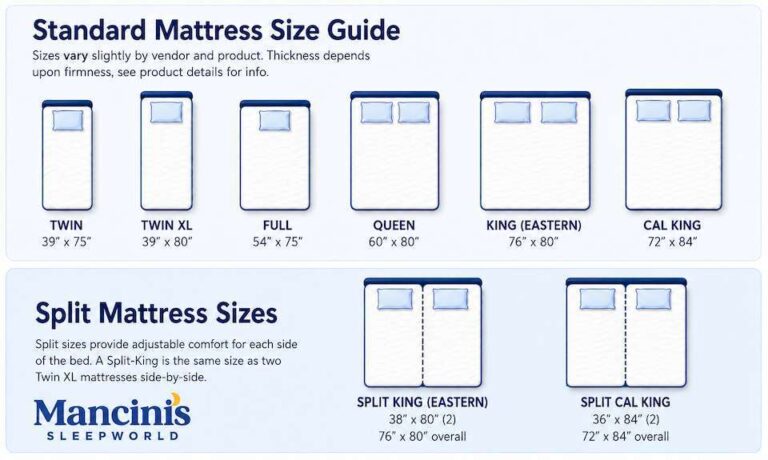
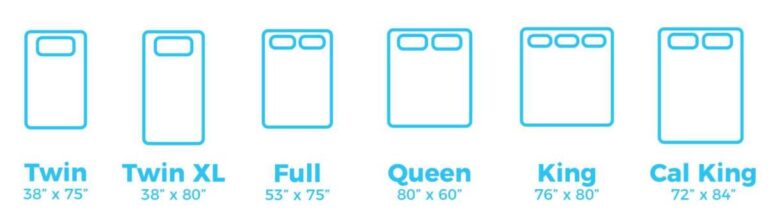
| Mattress size | Width | Length | Best for |
|---|---|---|---|
| Twin | 38 inches | 75 inches | One child or adult |
| Full | 54 inches | 75 inches | One adult or a guest room |
| Queen | 60 inches | 80 inches | One or two adults |
| King | 76 inches | 80 inches | Couples who want more space |
| California king | 72 inches | 84 inches | Tall sleepers and larger rooms |
A queen size mattress usually works best in a room that is at least 10 by 10 feet. A 10-by-12-foot room often feels more comfortable because it leaves space for nightstands, a dresser, and clear walking paths.
Measure doorways, stairways, elevators, and tight corners before delivery. A queen mattress is large, and a boxed mattress still needs a safe route into the room.
How Much Sleeping Space Does a Queen Mattress Provide?
A queen size mattress gives each person about 30 inches of width when two people share it. That is less personal space than a king provides, but more than a full mattress offers.
For many couples, this space feels comfortable. However, sleepers who move often, have children or pets in bed, or prefer wide personal space may feel more relaxed on a king mattress.
A queen bed can also feel generous for one person. You can stretch out, read, work on a laptop, or keep a pet nearby without feeling cramped.
The length suits most adults. People taller than about 6 feet 2 inches may prefer a California king or another extra-long option, although sleeping position and personal preference also matter.
Benefits of a Queen Size Mattress
A queen size mattress remains popular because it solves several common bedroom problems at once.
Good balance for couples
A queen bed provides shared sleeping space without the large footprint of a king. It works well for couples in apartments, townhomes, and average-size bedrooms.
Better comfort than a full mattress
A full mattress can feel narrow for two adults. A queen mattress adds 6 inches of width, which can make a major difference during sleep.
Easier to fit in most rooms
A queen size mattress usually leaves more space for furniture than a king mattress. This makes it a practical choice for primary bedrooms and larger guest rooms.
Wide product selection
Most mattress brands sell queens in many designs, including memory foam, latex, innerspring, hybrid, pillow-top, and adjustable-compatible models. More choices can also mean better prices and easier replacement shopping.
Strong resale and guest-room value
Queen beds are common in homes, hotels, and rental spaces. A queen size mattress can appeal to future guests or buyers because many people already own queen sheets and bedding.
From helping people plan bedrooms, one lesson comes up often: the mattress is only one part of the space. A queen bed may fit on paper, yet the room can feel crowded when a large frame and wide nightstands are added.

Limitations of a Queen Size Mattress
A queen size mattress is versatile, but it is not ideal for every sleeper or room.
Two adults may notice limited personal space if one person tosses and turns. Couples who prefer a wide gap between sleepers may sleep better on a king mattress.
A queen mattress can also feel too large for a small bedroom. Leave room for at least 24 inches of walking space where possible. Safety and daily comfort matter more than fitting the biggest bed into the room.
Queen mattresses are also heavier than twin and full mattresses. Moving one through stairs or narrow hallways may require two people, especially when the mattress has a dense foam or hybrid design.
Other possible limitations include:
• Less personal width than a king mattress
• More cost than a full mattress
• Higher bedding costs than twin or full sizes
• Possible difficulty fitting large bedroom furniture
• Limited length for very tall sleepers

Types of Queen Size Mattresses
The size describes the mattress footprint, not the way it feels. Construction plays a major role in pressure relief, cooling, motion control, and support.
Memory foam
Memory foam contours to the body and can reduce motion transfer. It may suit side sleepers and couples who do not want to feel every movement.
The main concern is heat retention. Look for breathable covers, open-cell foam, cooling materials, or a ventilated design if you sleep warm.
Innerspring
An innerspring queen mattress uses metal coils for support. It often feels more responsive and allows more airflow than dense foam.
Coil quality varies. Pocketed coils usually move more independently than connected coils, which may help reduce motion transfer.
Hybrid
A hybrid mattress combines coils with foam or latex. It aims to provide the bounce and airflow of springs with the cushioning of foam.
Hybrid mattresses often work well for couples, combination sleepers, and people who dislike the deep sinking feel of all-foam beds.
Latex
Latex mattresses feel springy and supportive. They typically allow easy movement and may sleep cooler than some memory foam models.
Natural latex can cost more. Check the product details because “latex mattress” does not always mean the entire mattress uses natural latex.
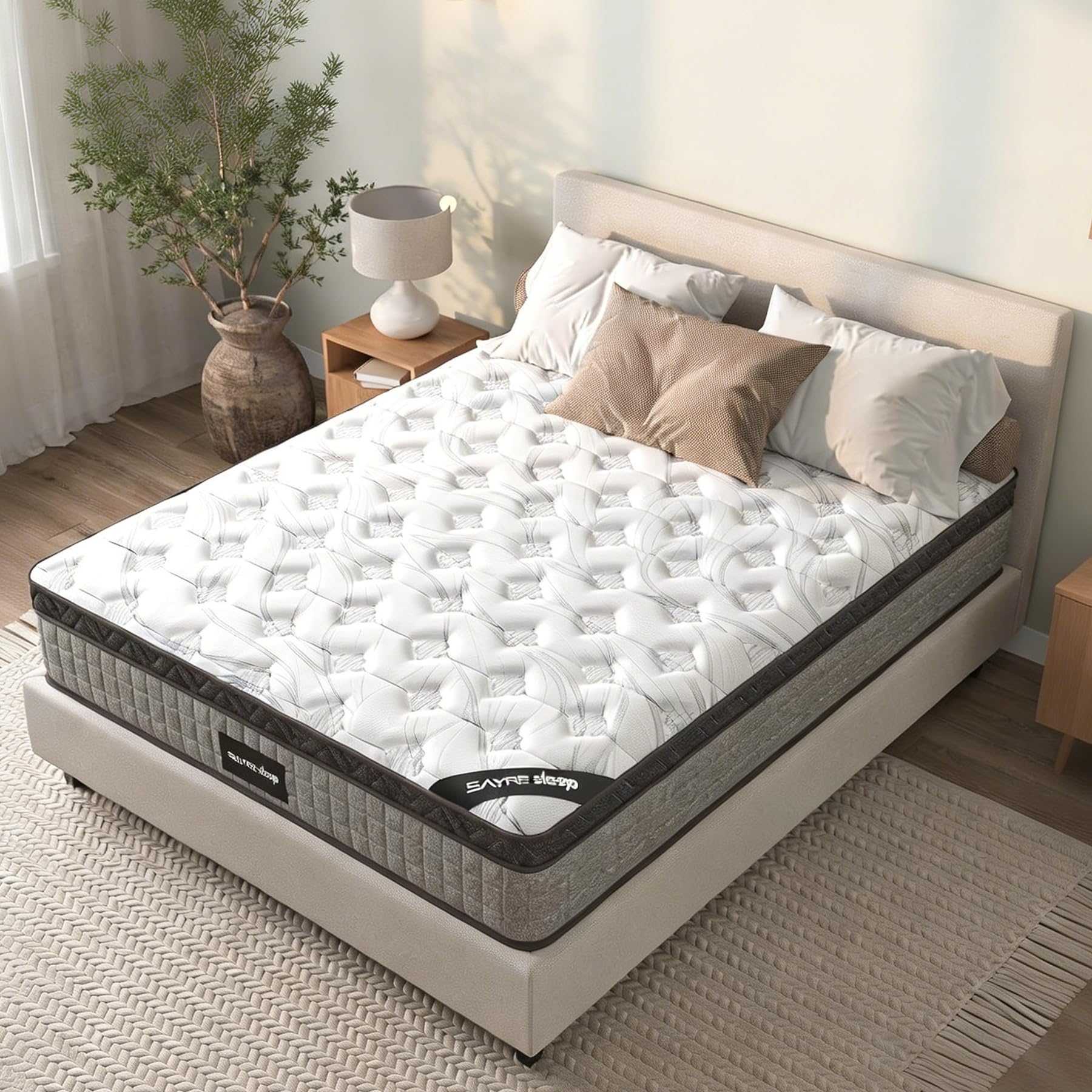
Pillow-top and Euro-top
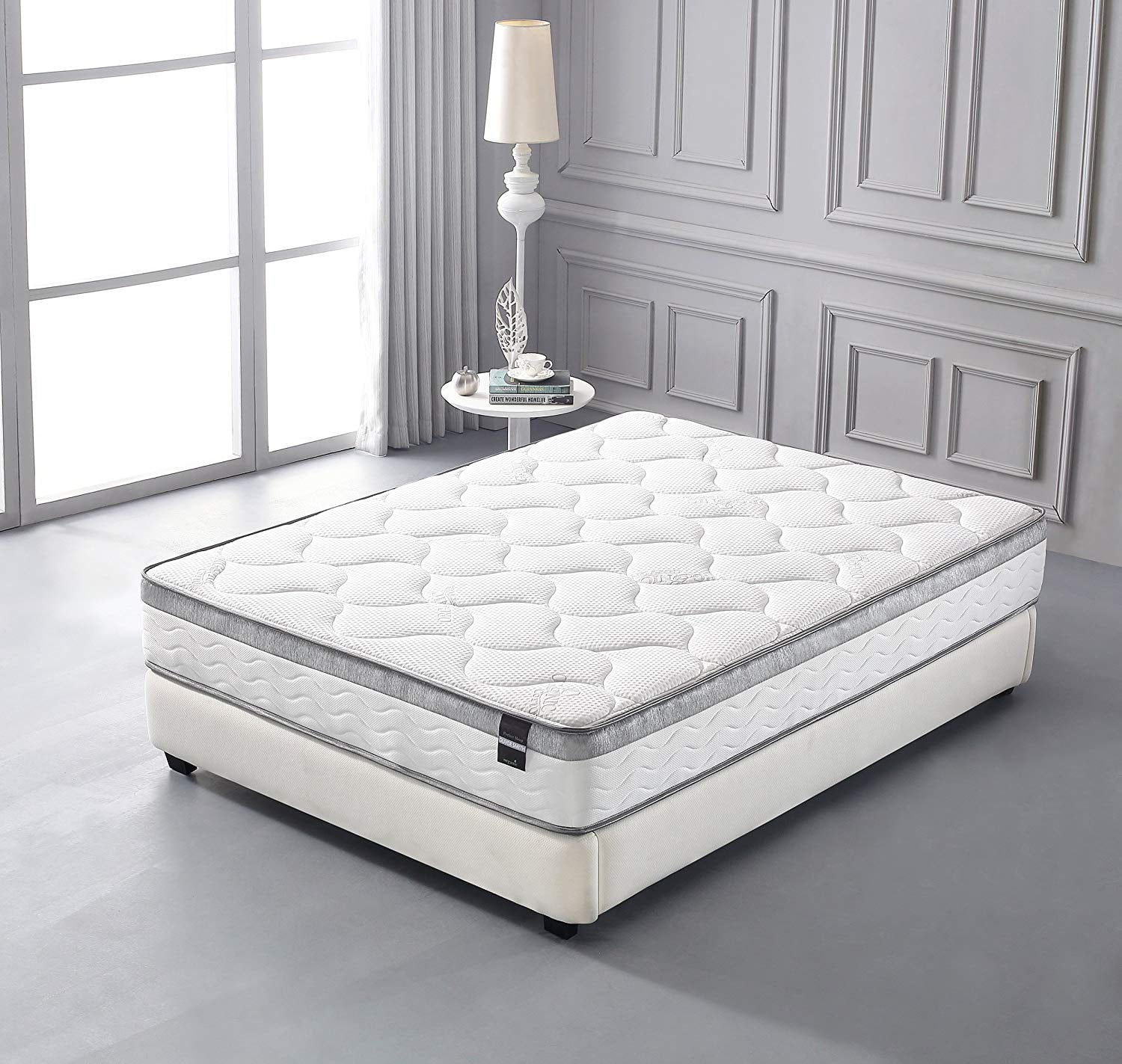
These mattresses add a soft comfort layer to the top. They can feel plush at first, but soft materials may change shape over time.
A thick top also increases the total mattress height. Check whether your sheets can fit the mattress depth.
Which Firmness Is Best for a Queen Mattress?
Firmness depends on body weight, sleep position, comfort preference, and support needs. There is no single firmness that works for everyone.
Side sleepers often prefer medium-soft to medium firmness. This allows the shoulder and hip to sink slightly while keeping the spine more level.
Back sleepers commonly prefer medium to medium-firm support. Stomach sleepers often need a firmer surface to help prevent the hips from sinking too deeply.
Consider these general starting points:
• Soft: Best for lighter side sleepers and people who want a plush feel
• Medium: A flexible choice for many sleepers and couples
• Firm: Often useful for stomach sleepers, heavier sleepers, and people who prefer strong support
These are starting points, not medical rules. If you have ongoing back or joint pain, speak with a qualified health professional. A mattress may affect comfort, but it is not a treatment for a diagnosed condition.
A mistake I often see is choosing a very firm mattress because it sounds supportive. Support means keeping the body aligned, not simply creating a hard sleeping surface. A firm mattress can still feel uncomfortable if it does not cushion your pressure points.

Queen Mattress Versus Other Mattress Sizes
Choosing between sizes becomes easier when you compare daily use, room size, and budget.
Queen versus full
A full mattress measures 54 by 75 inches. It can suit one adult, a teenager, or a guest room, but two adults may feel crowded.
A queen size mattress adds useful width and length. The extra space is often worth it for couples who can fit it in the room.
Queen versus king
A standard king measures 76 by 80 inches. It provides 16 more inches of width than a queen, while both sizes share the same length.
Choose a king if both sleepers want more personal space. Choose a queen if you want lower costs, easier movement, or more room for other furniture.
Queen versus California king
A California king measures 72 by 84 inches. It is 4 inches narrower than a standard king but 4 inches longer.
Tall sleepers may like the added length. However, California king sheets and bed frames are not interchangeable with standard queen products.

How to Choose the Right Queen Size Mattress
Use a clear process instead of choosing only by brand name or sale price.
-
Measure the room and delivery path. Confirm that the bed, frame, and furniture will leave safe walking space.
-
Identify your sleep position. Side, back, and stomach sleepers often need different firmness levels.
-
Consider partner movement. If one person moves often, choose strong motion isolation, such as dense foam or individually wrapped coils.
-
Check edge support. Strong edges make it easier to sit down, get up, and use the full surface.
-
Review the materials. Look for clear details about foam density, coil design, cover fabric, and fire safety information.
-
Read the trial and warranty terms. A sleep trial may have return rules, fees, or a required break-in period.
-
Confirm the foundation requirements. Some mattresses need solid slats, while others allow more flexible support systems.
-
Compare total cost. Include delivery, setup, removal, foundation, sheets, protector, and taxes.
Do not judge a mattress only by its showroom feel. A few minutes of testing cannot fully predict how it will feel after several nights. A home trial with clear return terms gives you a more useful test.
Queen Mattress Foundation and Frame Requirements
A queen size mattress needs a stable base that supports its weight and keeps it level. The exact requirements depend on the mattress maker.
A platform bed may support the mattress without a box spring. A traditional innerspring mattress may work with a box spring, but many modern foam and hybrid mattresses require a firm foundation instead.
Before buying, check:
• The maximum space between slats
• The total weight limit
• Center support from head to foot
• Compatibility with adjustable bases
• Whether the frame supports the mattress warranty
A queen bed frame should include center support because the mattress spans a wider area than a twin or full. Without proper support, the mattress may sag, feel uneven, or wear faster.
Use a mattress protector from the first night. It helps guard against sweat, spills, dust, and stains while preserving the sleep surface.
Queen Mattress Care and Lifespan
Many quality mattresses last about 7 to 10 years, but lifespan varies by materials, body weight, use, care, and construction. This range is a general estimate, not a promise.
Rotate the mattress only if the manufacturer allows it. Many modern mattresses are designed for one sleeping side and should not be flipped.
Helpful care habits include:
• Use a breathable, waterproof mattress protector
• Keep the mattress on the correct foundation
• Rotate it according to the care guide
• Avoid jumping on the bed
• Clean bedding on a regular schedule
• Follow the maker’s cleaning instructions
• Watch for lasting dips, pain, noise, or reduced support
Replace a queen size mattress when it no longer supports your body, causes new discomfort, or shows major sagging. Age alone does not decide whether a mattress remains useful.
Common Queen Mattress Shopping Mistakes
Buying the wrong queen mattress often comes down to small details that are easy to miss.
One common mistake is forgetting mattress height. A thick queen mattress on a tall foundation may make it hard to sit on the edge or climb into bed. Measure the total height of the frame, foundation, and mattress.
Another mistake is buying sheets before checking depth. Deep-pocket sheets may fit a thick pillow-top mattress, while standard sheets may slide off.
Some shoppers also focus on the cover instead of the support system. A soft cover feels pleasant, but the coils, foam layers, and base determine much of the long-term performance.
Avoid these errors:
• Choosing a mattress without checking the return policy
• Assuming expensive means better
• Ignoring room measurements
• Using an old, weak bed frame
• Buying a full-size accessory for a queen bed
• Keeping a mattress that causes ongoing pain
A practical tip is to save the product page, warranty, and care instructions after purchase. These details can help if you need a return, replacement, or warranty claim later.
Frequently Asked Questions About What Is a Queen Size Mattress
What are the dimensions of a queen size mattress?
A standard queen size mattress in the United States measures 60 inches wide by 80 inches long. Its thickness varies by model, commonly ranging from about 8 to 16 inches.
Is a queen mattress big enough for two people?
Yes, a queen mattress is designed to sleep two adults. However, couples who need more personal space or share the bed with children or pets may prefer a king mattress.
What size room is best for a queen mattress?
A 10-by-10-foot room is often considered a practical minimum. A larger room gives you more space for nightstands, dressers, and comfortable walking paths.
Is a queen mattress larger than a full mattress?
Yes, a queen mattress is 6 inches wider and 5 inches longer than a full mattress. That extra space can make a clear comfort difference for two adults.
Can two people sleep comfortably on a queen size mattress?
Many couples sleep well on a queen size mattress, especially when they choose the right firmness and motion control. Sleep habits, body size, and personal space preferences affect comfort.
Do queen mattresses need a box spring?
Not always. Many queen mattresses work on platform beds or firm foundations, but you should follow the manufacturer’s support and slat-spacing requirements.
How long does a queen size mattress last?
A queen mattress often lasts about 7 to 10 years, though materials, care, usage, and body weight can change that estimate. Replace it when it loses support or causes persistent discomfort.
Conclusion
A queen size mattress measures 60 by 80 inches and offers one of the best combinations of comfort, space, price, and room flexibility. It suits many couples, single adults, guest rooms, and average-size bedrooms.
Before buying, measure your room, think about your sleep position, compare materials, check the foundation, and read the trial and warranty terms. The right queen size mattress should support your body and fit your daily life—not just fit the room.
Use these tips to compare your options with confidence, and explore trusted mattress guides or share your own queen mattress experience in the comments.

Appliance Review Expert
Lucas Ramirez is a trusted voice at HomeFixGrid.com, known for his clear, practical, and creatively written guides that simplify appliance care for everyday homeowners. With a strong focus on hands-on testing and real-world problem-solving, Lucas brings expert insight into appliance reviews and troubleshooting techniques. Her work empowers readers to confidently maintain, repair, and choose the right appliances for their homes.