How To Remove Tomato Stains: Microwaved Plastic Fix
Tomato sauce can leave orange or red marks on plastic food containers after just one trip through the microwave. The quickest fix is to wash the container with hot water and dish soap, then apply a baking soda paste. For deep stains, hydrogen peroxide or direct sunlight may help.
This guide applies to common food containers used in the United States. Always check the container label before using heat or cleaning products. If the plastic is cracked, melted, badly scratched, or still smells like food after cleaning, replacing it is safer than trying to restore it.
Why Tomato Sauce Stains Plastic
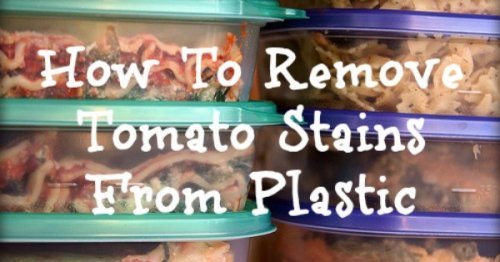
Tomato stains come mainly from lycopene, the red pigment in tomatoes. Tomato sauce also contains oil. Heat helps the oil and pigment cling to plastic, especially when the container has fine scratches from knives, forks, scouring pads, or dishwashers.


Plastic is not always perfectly smooth. Small scratches and worn areas can hold pigment below the surface. This is why a container may look clean but still have a red or orange tint.
A tomato stain is usually a cosmetic problem, not proof that the container is unsafe. However, deep scratches, cracks, cloudiness, melting, or a lasting odor can be signs that the container is worn out.
The U.S. Food and Drug Administration recommends following the maker’s directions for microwave use and choosing containers labeled for that purpose. “Microwave-safe” means the container is designed for microwave heating under stated conditions. It does not mean the plastic will resist stains.

The Best Way to Remove Tomato Stains From Microwaved Plastic
Use this method first. It is gentle, inexpensive, and works well for fresh or mild stains.
What you need
- Dish soap that cuts grease
- Hot tap water
- Baking soda
- A soft sponge or microfiber cloth
- A clean towel
- Optional: a soft toothbrush for corners
Step-by-step method
-
Let the container cool.
Do not rinse a very hot container with cold water. A sudden temperature change can warp some plastics. -
Remove leftover sauce.
Use a paper towel or rubber spatula. Avoid scraping with a knife because new scratches can hold more stain. -
Wash with hot, soapy water.
Add a few drops of grease-cutting dish soap. Fill the container with hot tap water and let it sit for 10 to 15 minutes. -
Make a baking soda paste.
Mix about 2 tablespoons of baking soda with enough water to form a thick paste. The exact amount is not critical. The paste should spread without running. -
Coat the stained areas.
Rub the paste over the inside of the container with a soft sponge or cloth. Use light pressure. Do not use steel wool or a rough scouring pad. -
Let the paste sit.
Leave it for 15 to 30 minutes. Baking soda can help lift oily residue and mild discoloration, but it may not remove pigment that has entered scratched plastic. -
Rinse and wash again.
Rinse away the paste. Wash the container with dish soap, then dry it fully. -
Check the result in bright light.
A faint tint may remain even when the surface is clean. If the container is smooth, intact, and odor-free, the remaining color is usually only cosmetic.


Why this method works
Dish soap breaks up the oily part of tomato sauce. Baking soda provides mild cleaning action without the harsh abrasion of a metal scrubber. The short soaking period softens dried sauce before you wipe it away.
Do not use boiling water unless the manufacturer says the container can handle it. Some plastics can warp or become cloudy when exposed to high heat.

How to Remove a Stubborn Tomato Stain
If the baking soda method does not work, use one of the following options. Test any method on a small area first, especially if the container is colored or has printed markings.
Option 1: Use sunlight
Sunlight can help fade tomato pigment over time.
- Wash the container well.
- Rinse away all soap.
- Leave the open container in direct sunlight for several hours.
- Wash it again before storing food.
This method may take more than one sunny day. It works best on clean, dry plastic with a light stain. Sunlight may also make some plastics brittle or faded, so do not leave containers outside for days at a time.
Option 2: Try a diluted hydrogen peroxide soak
A small amount of regular 3% hydrogen peroxide can help with some food stains.
- Wash the container with dish soap.
- Pour in enough 3% hydrogen peroxide to cover the stain.
- Let it sit for 10 to 30 minutes.
- Rinse the container very well.
- Wash it again with dish soap and clean water.
Do not mix hydrogen peroxide with bleach, vinegar, ammonia, or other cleaners. Use only plain household 3% hydrogen peroxide. Keep it away from children and pets, and follow the product label.
Hydrogen peroxide may not remove a stain that has soaked into deeply scratched plastic. It can also affect some dyes or printed designs, so a spot test matters.
Option 3: Use a dishwasher cycle if the container allows it
If the manufacturer marks the container as dishwasher-safe, place it on the top rack. The dishwasher may remove oily residue that hand washing leaves behind.
A dishwasher is not always the best answer for stained plastic. Repeated heat and detergent exposure may increase clouding, warping, or wear. Follow the container’s care label rather than assuming all plastic has the same heat limit.

What Not to Use on Tomato-Stained Plastic
Some cleaning choices can create a larger problem than the stain.


- Do not use chlorine bleach with other cleaners. Mixing bleach with acids, ammonia, or other products can create dangerous fumes.
- Do not use steel wool or metal scrapers. They can scratch the surface and make future stains worse.
- Do not pour boiling water into an unknown plastic container. The container may warp or soften.
- Do not microwave the cleaning mixture unless the container maker gives that instruction. Heating cleaners can cause splashes, fumes, or damage.
- Do not use oven cleaner. It is too harsh for most food containers.
- Do not use paint thinner, acetone, or other solvents. They can damage plastic and leave residues.
- Do not use a scented product to hide a food odor. Fragrance does not remove residue.
Never combine cleaning products. If you switch from one cleaner to another, rinse the container thoroughly first.
When Should You Replace the Plastic Container?
Replace the container if it has cracks, deep scratches, melted spots, a warped lid, peeling surfaces, or an odor that remains after washing. These defects can make cleaning harder and may affect how the container performs when heated.
A stain alone does not automatically mean the container must be discarded. If the plastic is firm, smooth, intact, and labeled for its intended use, discoloration may be harmless.
Be more cautious with old or heavily worn containers used in a microwave. Heat can expose weak areas and may cause warping or further damage. When in doubt, transfer tomato-based food to a microwave-safe glass or ceramic dish.
How to Prevent Tomato Stains in Plastic
Prevention is easier than stain removal.
- Spray or lightly coat the inside of the container with a small amount of cooking oil before adding tomato sauce.
- Use a microwave-safe glass or ceramic dish for red sauces.
- Leave space at the top so sauce does not splatter onto the lid.
- Cover the dish with a microwave-safe lid or vented cover.
- Wipe the container as soon as it cools.
- Do not cut food inside a plastic container.
- Use soft sponges instead of abrasive scrubbers.
- Keep tomato-based foods away from old, scratched containers.
- Follow the maker’s directions for microwave and dishwasher use.
A loose cover helps prevent splatter, but it should not seal tightly during microwave heating. Steam needs a safe way to escape.

FAQs About Tomato Stains on Plastic
Does vinegar remove tomato stains from plastic?
Vinegar may help loosen odors and some residue, but it is not the most reliable treatment for tomato pigment. Use dish soap first, followed by baking soda paste. Never mix vinegar with bleach.
Can lemon juice remove red stains from plastic?
Lemon juice may help lighten some surface stains, especially when combined with sunlight. It is acidic, though, so rinse the container well. Do not combine lemon juice with bleach or other cleaners.
Is a stained plastic container safe to use?
A stain is usually cosmetic if the container is intact, smooth, and odor-free. Do not use the container if it is cracked, melted, badly scratched, warped, or difficult to clean.
Can I use a magic eraser on tomato-stained plastic?
A melamine foam sponge can remove marks through mild abrasion, but it may dull or scratch some plastic surfaces. If you use one, apply very light pressure and test a hidden spot first. Rinse the container thoroughly afterward.
Why does tomato sauce stain plastic but not glass?
Glass has a hard, nonporous surface. Plastic can develop tiny scratches and may hold oily pigments more easily. That difference makes tomato stains more common on plastic containers.
Key Takeaways
- Start with hot water, grease-cutting dish soap, and a soft sponge.
- Apply a baking soda paste for a mild or fresh stain.
- Use sunlight or plain 3% hydrogen peroxide for a deeper stain.
- Never mix bleach with vinegar, ammonia, hydrogen peroxide, or other cleaners.
- Avoid steel wool, solvents, and boiling water.
- Replace plastic that is cracked, melted, badly scratched, warped, or persistently smelly.
- Use glass or ceramic for tomato sauce when you want to avoid future stains.
Conclusion
The safest first step for removing tomato stains from microwaved plastic is a hot, soapy wash followed by a baking soda paste. If color remains, try sunlight or a careful 3% hydrogen peroxide soak. Clean gently, avoid chemical mixtures, and replace plastic that shows heat damage or deep wear.



Appliance Review Expert
Lucas Ramirez is a trusted voice at HomeFixGrid.com, known for his clear, practical, and creatively written guides that simplify appliance care for everyday homeowners. With a strong focus on hands-on testing and real-world problem-solving, Lucas brings expert insight into appliance reviews and troubleshooting techniques. Her work empowers readers to confidently maintain, repair, and choose the right appliances for their homes.