How To Tell If You Need A New Mattress: 7 Clear Signs
You may need a new mattress if it sags, causes pain, sleeps hot, or leaves you tired after a full night.
Knowing how to tell if you need a new mattress can save you from poor sleep, morning aches, and wasted money. A mattress does not always fail in one dramatic moment. More often, it slowly loses support while you adjust to discomfort. This guide explains the clearest warning signs, how age affects mattress performance, and what to check before you shop.
How long does a mattress last?
Most mattresses last about 6 to 10 years. The exact life span depends on the mattress type, material quality, body weight, sleeping position, care, and nightly use.
In general, these are common ranges:
• Innerspring mattresses often last 6 to 8 years.
• Memory foam mattresses may last 7 to 10 years.
• Latex mattresses often last 8 to 12 years or more.
• Hybrid mattresses commonly last 6 to 10 years.
A mattress used every night by two adults may wear out sooner than a guest bed used a few times each year. A high-quality latex mattress may also outlast a low-cost foam model.
Age is a useful clue, but it is not a final answer. A 12-year-old mattress in good shape may still feel comfortable, while a five-year-old mattress with deep sagging may already need replacement.

The main signs you need a new mattress
The best way to learn how to tell if you need a new mattress is to look for changes in support, comfort, and sleep quality. One sign may not prove that your mattress has failed, but several signs together usually matter.
Your mattress has visible sagging
Look across the mattress from the side. Do you see a dip in the middle or around your usual sleeping area? Deep impressions, lumps, and uneven edges are strong signs that the comfort layers or support core have weakened.
A small body impression can be normal in some foam mattresses. However, a deep dip that remains when no one is lying down can pull your spine out of alignment. This may lead to lower back pain, stiff hips, or shoulder soreness.
You can check for sagging with a straight edge, such as a broom handle. Place it across the mattress and measure the gap beneath it. There is no universal sagging limit for every mattress, but a visible dip of about 1.5 inches or more is often a practical warning sign.
You wake up sore or stiff
Morning pain is one of the clearest clues that your mattress may no longer support you well. Pay close attention to pain in your lower back, neck, shoulders, hips, or knees.
A mattress can cause pressure in two opposite ways. If it is too firm, it may press against your shoulders and hips. If it is too soft, your heavier areas may sink too far and strain your spine.
Keep in mind that pain can also come from an injury, poor posture, stress, or an unsuitable pillow. If pain is severe, lasts for weeks, or affects daily movement, speak with a health professional.
You sleep better somewhere else
Do you sleep well at a hotel, at a friend’s home, or on the couch, then wake up sore in your own bed? This is a valuable real-world test.
One night may not tell the whole story. Still, a repeated pattern suggests that your mattress could be part of the problem. When people ask me how to tell if you need a new mattress, I often suggest tracking sleep in different beds for a week. Note how quickly you fall asleep and how your body feels in the morning.
You feel tired after enough sleep
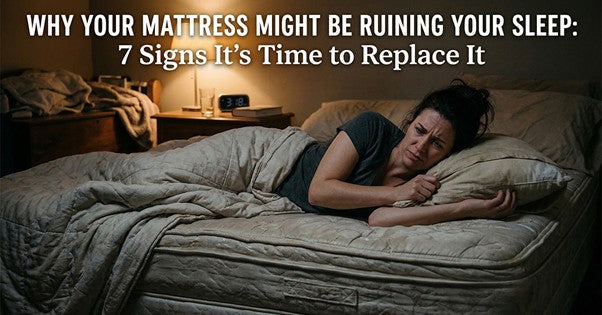
A worn mattress may not wake you up fully. Instead, it may cause tiny movements and brief awakenings that you do not remember. You may spend enough time in bed but still feel unrefreshed.
Your sleep quality can also suffer from stress, noise, light, caffeine, alcohol, medical conditions, or an irregular schedule. A mattress is only one part of the sleep picture. Look for a pattern rather than blaming the bed after one poor night.
You notice more partner disturbance
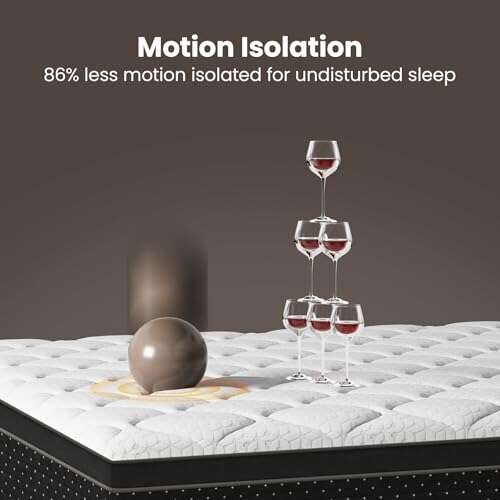
If your partner’s movement now wakes you more often, the mattress may have lost motion isolation. This is common when foam softens or when coils begin to transfer more movement across the bed.
A mattress that once absorbed movement may begin to bounce, shake, or roll. This can be especially frustrating for couples with different sleep schedules.
The mattress makes noise
Squeaking, creaking, or popping can come from worn coils, loose parts, or a damaged frame. Test the mattress and bed base separately if possible.
Remove the mattress and gently press on the frame. If the frame makes the noise, replacing the mattress may not solve the issue. If the mattress itself makes noise when you move, its internal support system may be wearing out.
You have frequent allergies or congestion
Old mattresses can collect dust, skin flakes, sweat, and other allergens. A washable protector and regular cleaning can help, but they cannot reverse material breakdown.
Allergy symptoms can also come from bedding, carpets, pets, or indoor air. If symptoms improve when you sleep elsewhere, inspect the entire bedroom before replacing the mattress.
How to tell if you need a new mattress based on your sleep position
Your sleeping position changes the kind of support you need. A mattress that feels perfect for one person may feel uncomfortable for another.
Side sleepers
Side sleepers usually need enough cushioning for the shoulders and hips. A mattress that is too firm can create pressure points and cause numbness or soreness.
If your shoulder feels trapped or your hip hurts in the morning, the surface may not provide enough pressure relief. A medium or medium-soft feel often works well, but body weight also matters.
Back sleepers
Back sleepers need balanced support. Your hips should sink slightly, while your lower back remains supported.
If your hips drop into a visible hammock shape, the mattress may be too soft or worn out. If your lower back feels pushed upward, the mattress may be too firm.
Stomach sleepers
Stomach sleepers often need stronger support to prevent the midsection from sinking. Too much sink can strain the lower back and neck.
A firmer surface may help, but comfort still matters. A thin pillow, or no pillow, may also reduce neck strain for some stomach sleepers.
Combination sleepers
Combination sleepers move between positions during the night. They usually need a responsive surface that allows easy movement without excessive sink.
When learning how to tell if you need a new mattress, consider whether changing positions has become harder. Feeling stuck in foam or rolling toward the center may signal that the mattress has softened too much.

A simple at-home mattress test
You do not need special equipment to evaluate your mattress. Use these steps over several nights.
-
Check the mattress age. Find the purchase date, warranty record, or delivery email.
-
Inspect the surface. Look for sagging, lumps, tears, stains, and uneven wear.
-
Test the edges. Sit on each side and notice whether the edge collapses more than it used to.
-
Review your symptoms. Write down pain, stiffness, numbness, heat, and tiredness each morning.
-
Compare sleep locations. Try a different bed for two or three nights if possible.
-
Rotate the mattress if the manufacturer allows it. Do not flip a one-sided mattress unless the instructions say you can.
-
Check the foundation. A weak base can make a good mattress feel broken.
-
Ask your partner for feedback. They may notice motion, noise, or sagging that you do not.
Keep a short sleep diary for one or two weeks. Rate your comfort, pain, and energy from one to ten. This makes the decision less emotional and helps you spot trends.

When a mattress topper can help
A topper may improve comfort when the mattress is only slightly too firm or too soft. It can add cushioning, reduce pressure, and extend the useful life of a mattress for a short time.
A topper is not a true fix for deep sagging, damaged coils, or a broken foundation. It may simply cover the problem for a while. Think of it as adding a cushion to a worn chair. It can feel better, but it does not rebuild the frame.
A topper may be worth trying when:
• The mattress is less than a few years old.
• The surface is even and free from deep dips.
• You need more pressure relief.
• You recently changed sleeping positions.
• You are waiting for a replacement mattress.
Avoid spending heavily on a topper for a mattress that already causes strong pain or severe sagging. That money may be better used toward a new bed.

Can rotating or flipping a mattress extend its life?
Rotating a mattress 180 degrees can reduce uneven wear if the manufacturer permits it. This moves your usual sleeping area to a different part of the bed.
Do not flip a modern one-sided mattress unless the care guide specifically recommends it. Many mattresses have a designed top and bottom. Flipping one can reduce comfort and support.
A strong bed frame also matters. Some mattresses need center support or closely spaced slats. If the base bends, the mattress may sag even when its materials are still healthy.
Regular care can slow wear:
• Use a breathable, waterproof mattress protector.
• Follow the manufacturer’s cleaning directions.
• Avoid jumping on the bed.
• Keep pets from digging into the surface.
• Improve bedroom ventilation to reduce moisture.
• Rotate the mattress as directed.
These steps help, but they cannot stop normal aging forever.
How health and body changes affect mattress needs
Your mattress needs may change even when the mattress has not changed. Weight gain, weight loss, pregnancy, injuries, aging, and changes in sleep position can all affect comfort.
A mattress that worked well five years ago may no longer support your body in the same way. This does not mean the mattress is defective. It may simply no longer match your needs.
Medical conditions also matter. Arthritis, sciatica, shoulder injuries, and chronic back pain may require special advice from a doctor or physical therapist. No mattress can treat a medical condition, and marketing claims about “therapeutic” mattresses should be viewed carefully.
If you have new or severe pain, numbness, weakness, or pain that travels down an arm or leg, seek medical care. Use mattress testing as a comfort guide, not as a diagnosis.

What to look for when buying a replacement mattress
Once you know how to tell if you need a new mattress, shopping becomes easier. Start with your needs, not with a brand name.
Consider these factors:
• Firmness: Choose a feel that keeps your spine comfortable and relieves pressure.
• Materials: Compare memory foam, latex, coils, and hybrid designs.
• Temperature: Look for breathable covers, airflow, coils, or ventilated foam if you sleep hot.
• Motion isolation: Couples may prefer foam or individually wrapped coils.
• Edge support: Strong edges create a larger usable sleep area and make getting up easier.
• Trial period: A home trial gives you time to adjust and test the mattress properly.
• Warranty: Read the coverage rules for sagging, defects, and foundation requirements.
• Return policy: Check fees, pickup rules, and minimum trial periods before buying.
Do not judge a mattress by the first five minutes in a showroom. Your body needs time to adjust, and showroom beds are often protected by clothing and used for only a short period.

Common mistakes to avoid
Many people replace a mattress too quickly or wait too long. Both choices can cost money and sleep.
Avoid these mistakes:
• Blaming the mattress before checking the pillow and foundation.
• Buying the firmest mattress because it sounds more supportive.
• Trusting a label such as “orthopedic” without checking the actual materials.
• Ignoring the return policy.
• Assuming a high price guarantees better comfort.
• Keeping a badly sagging mattress because it has a long warranty.
• Treating a topper as a permanent repair.
One lesson I have learned from comparing mattresses is that comfort is personal, but support problems are easier to measure. Start with visible wear, repeated pain, and sleep quality. Then consider preferences such as softness, bounce, and temperature.
Frequently asked questions about how to tell if you need a new mattress
How often should you replace your mattress?
Most mattresses need replacement after about 6 to 10 years, but age alone is not enough. Replace one sooner if it sags, causes pain, makes noise, or leaves you tired.
How do I know if my mattress is causing back pain?
Your mattress may contribute to back pain if you feel worse after sleeping and better after using another bed. However, back pain has many causes, so persistent or severe pain should be assessed by a health professional.
Can a mattress last 20 years?
Some high-quality latex mattresses may last longer than ten years with proper care, but 20 years is uncommon. Even when the surface looks acceptable, support and comfort materials may have weakened.
Is a sagging mattress bad for your back?
A deep sag can allow your hips and torso to sink too far. This may place your spine in an uncomfortable position and contribute to stiffness or pain, although it is not the only possible cause.
Will a mattress topper fix a bad mattress?
A topper can improve surface comfort when the mattress is slightly too firm. It will not repair deep sagging, broken coils, or a weak foundation.
How can I tell if I need a new mattress or a new bed frame?
Remove the mattress and test the frame for bending, cracks, loose joints, and missing center support. If the frame is damaged, replacing it may solve the problem without replacing the mattress.
Conclusion
Learning how to tell if you need a new mattress starts with the basics: check its age, inspect for sagging, notice morning pain, and compare your sleep quality in another bed. Also check your pillow, foundation, bedroom conditions, and health before making a purchase.
A new mattress is worth considering when several warning signs appear together, especially deep sagging, poor support, repeated discomfort, and ongoing fatigue. Track your sleep for a week, review your budget, and choose a mattress with a fair trial and return policy. Use these steps to make a confident choice, then explore trusted sleep resources or share your mattress experience with others.

Appliance Review Expert
Lucas Ramirez is a trusted voice at HomeFixGrid.com, known for his clear, practical, and creatively written guides that simplify appliance care for everyday homeowners. With a strong focus on hands-on testing and real-world problem-solving, Lucas brings expert insight into appliance reviews and troubleshooting techniques. Her work empowers readers to confidently maintain, repair, and choose the right appliances for their homes.