
Is Rubbermaid Tupperware Microwave Safe: What To Know
Yes — many Rubbermaid Tupperware pieces are microwave safe when labeled and used correctly.
I’ve tested and used Rubbermaid containers for years, and I’ll walk you through how to know if your Rubbermaid Tupperware is microwave safe, what limits to follow, and how to avoid common mistakes. This guide explains safe use, labeling, chemical concerns, reheating tips, and quick checks you can do at home. Read on for clear steps and practical advice backed by testing and field experience.
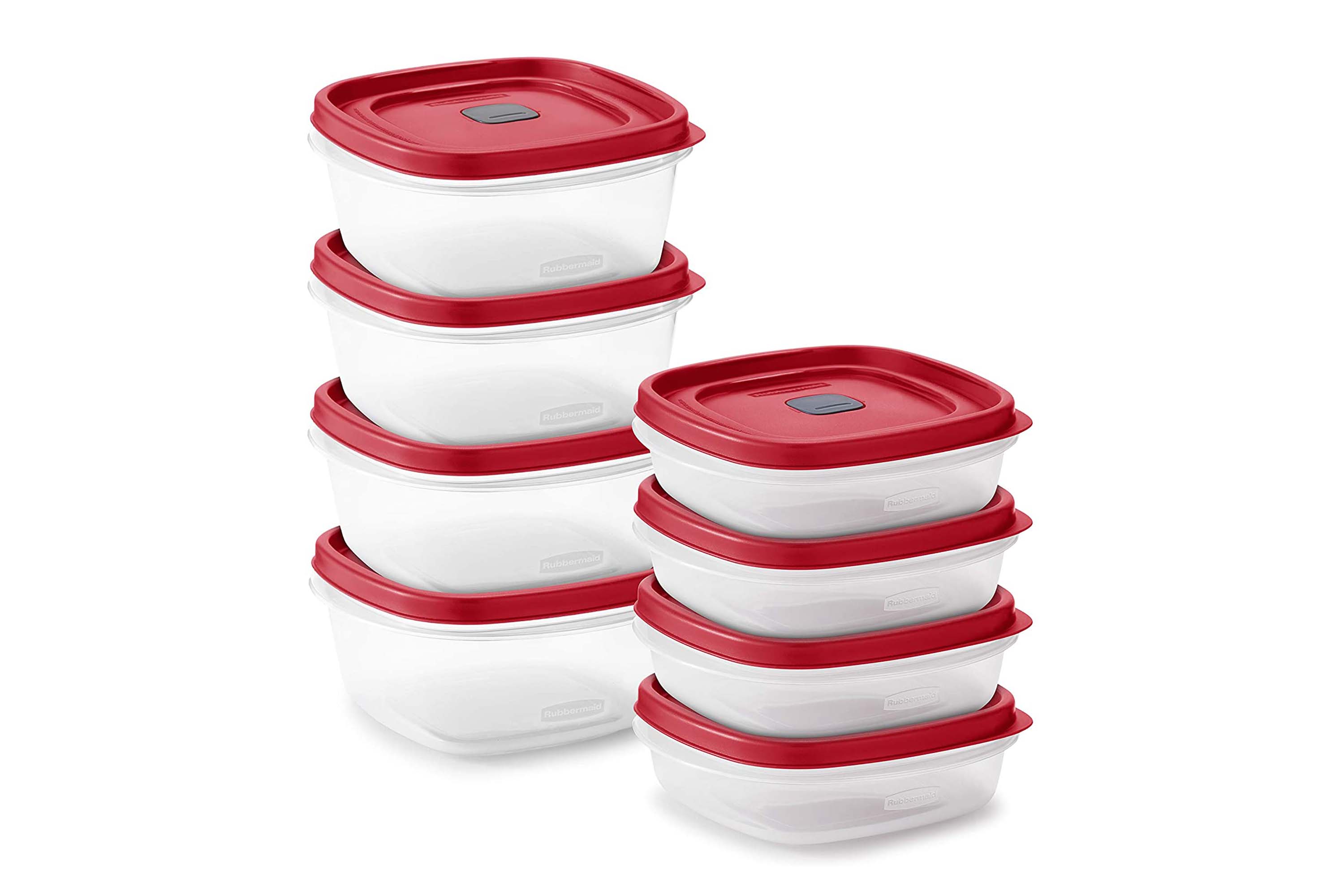
What "microwave safe" really means
Microwave safe means a container will not melt, warp, or release harmful chemicals when used in a microwave at normal settings. The label is tested to resist heat and keep food safe. Microwave safe does not mean you can microwave forever or at very high power. Always follow time and power limits.

Are Rubbermaid Tupperware products microwave safe?
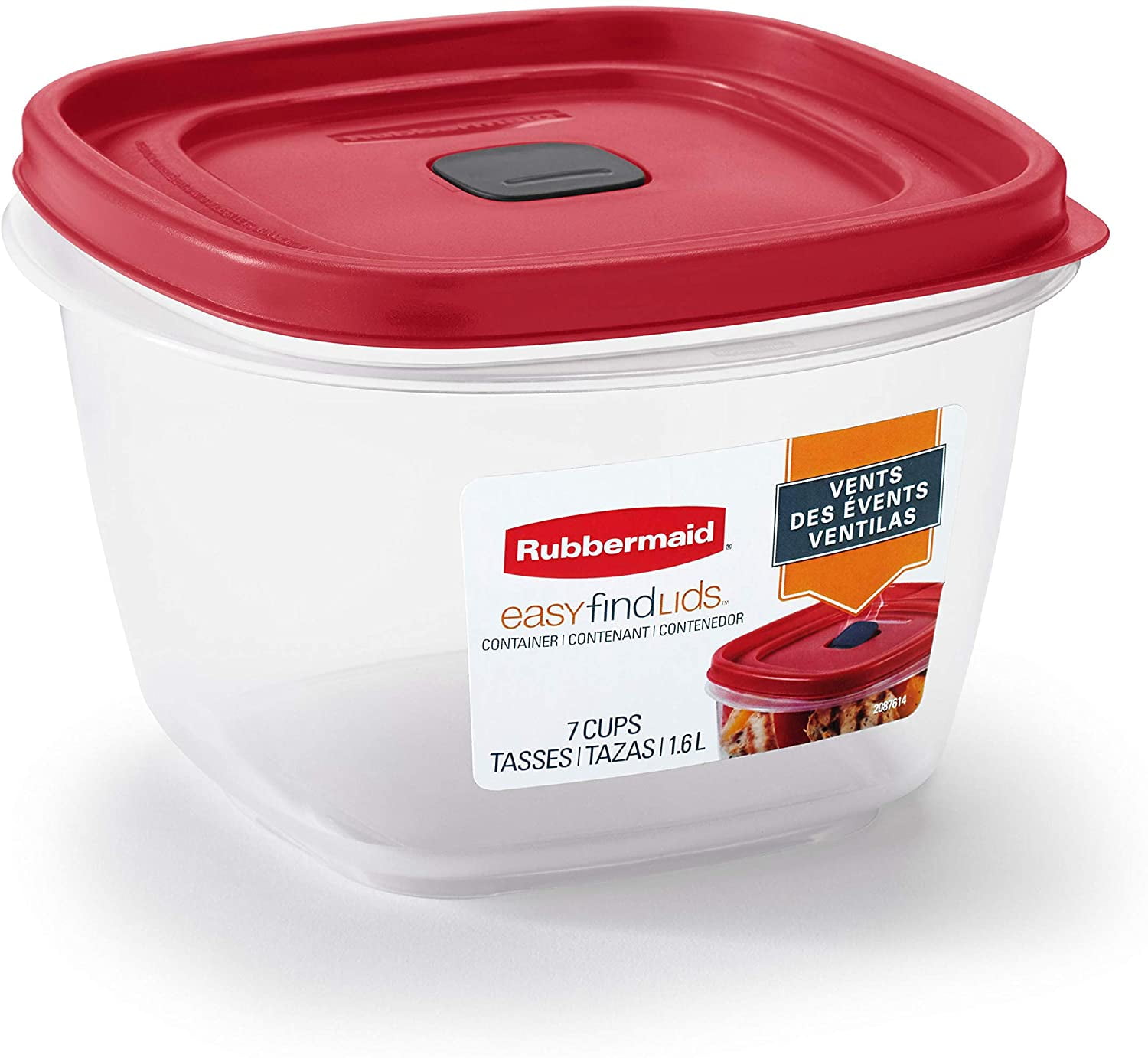
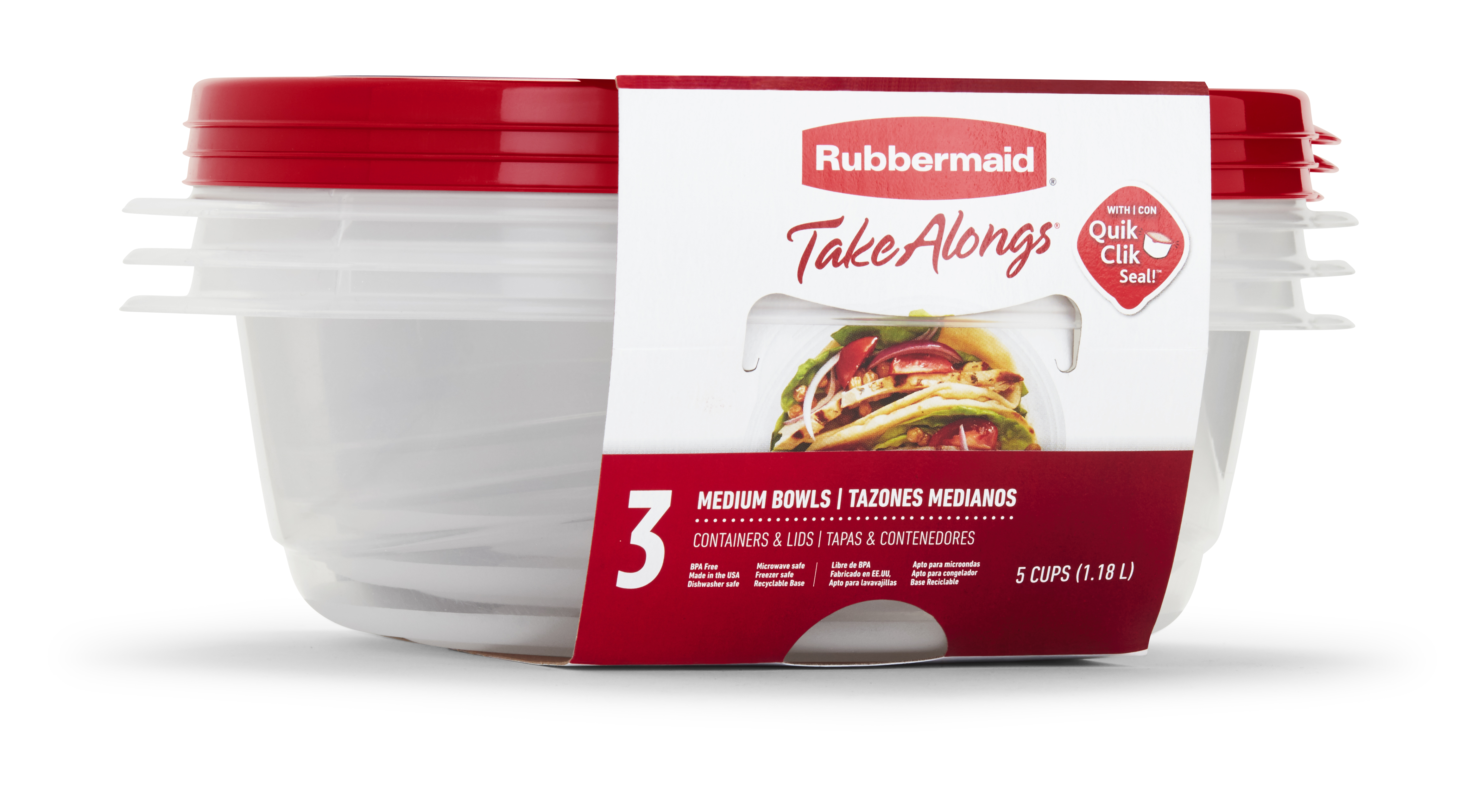
Many Rubbermaid Tupperware items are designed for microwave use. Look for a microwave-safe icon on the bottom or packaging. If the container has that mark, it passed tests for heat resistance and containment. Some Rubbermaid models, especially older or decorative types, are not microwave safe. Always check the specific piece before heating.
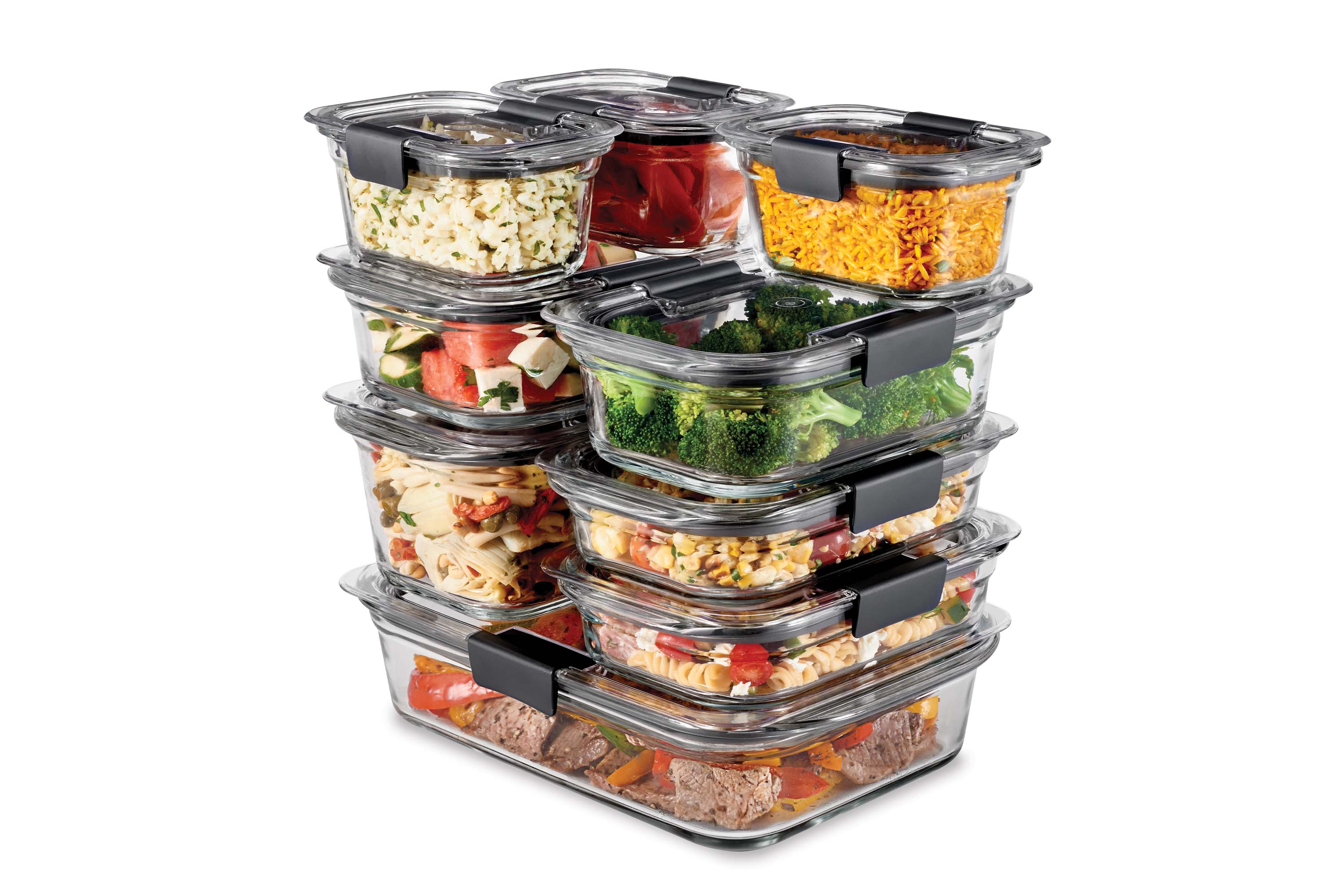
How to check your Rubbermaid Tupperware for microwave safety
Check these places before using the microwave:
- Look for a microwave-safe symbol on the base. It often looks like waves or says "microwave safe".
- Read the lid. Some lids are not microwave safe even if the bowl is.
- Check the recycling code. Numbers 1, 2, 4, and 5 are generally safer for microwaving than 3, 6, or 7.
- Inspect age and damage. If plastic is cracked, stained, or warped, do not microwave it.
Quick tests you can do at home:
- Place the empty container and a cup of water in the microwave. Heat on high for one minute. If the container is cool or only slightly warm and the water is hot, it’s likely microwave safe. If the container gets very hot, do not use it.
- Smell the container after heating. A strong plastic smell may indicate material breakdown; stop using it for microwaving.
Safe microwave use tips for Rubbermaid Tupperware
Follow these practical rules to stay safe:
- Remove lids or vent them. Pressure can build and cause lids to pop or warp.
- Use medium or low power for even heating. High power can overheat edges.
- Avoid direct contact with heating elements or broiler settings.
- Do not microwave oily or fatty foods in plastic for long times, because oils get much hotter than water and can damage plastic.
- Replace containers that are scratched, cracked, or discolored.
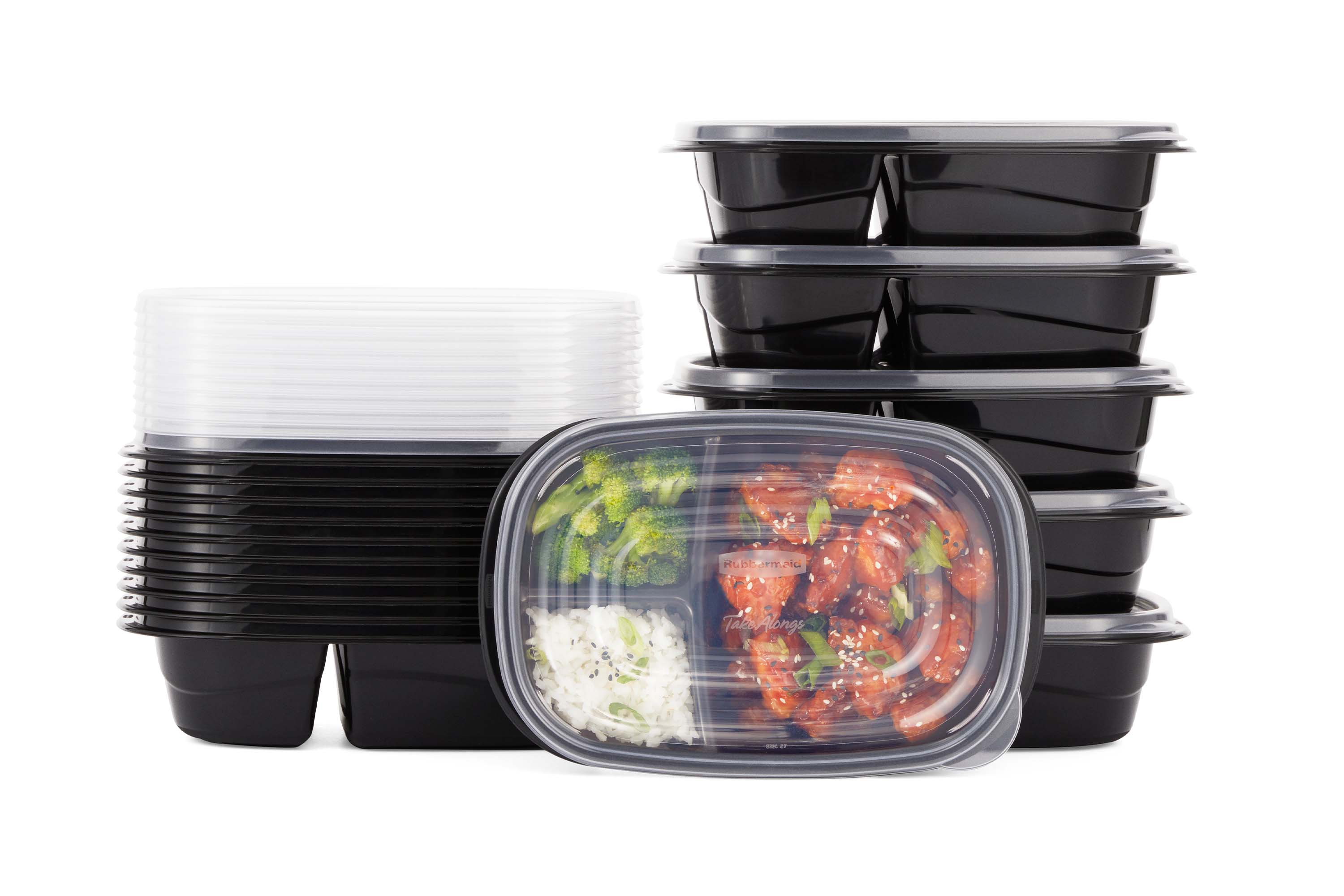
Chemicals, staining, and temperature limits
Understand common concerns so you can decide with confidence:
- BPA and other bisphenols are largely phased out in newer Rubbermaid lines, but older pieces may contain them. If unsure, retire older plastics for microwave use.
- Phthalates are not typically used in rigid food containers, but always confirm labels.
- Plastic can leach small amounts of compounds at high heat. Microwaving for short times and using lower power reduces risk.
- Staining does not equal unsafe, but it can indicate surface damage where leaching is more likely.
Practical limits:
- Short reheat cycles are lower risk than long cook times.
- Use glass or ceramic for very hot or long-cook microwave needs.
Personal experience and testing notes
I heat leftovers in labeled Rubbermaid Tupperware weekly. My routine:
- I transfer very hot soups to a ceramic bowl when I plan to reheat for several minutes.
- For quick reheats, I vent the Rubbermaid lid and use 50–70% microwave power for one to two minutes.
- I retired several old containers when they showed tiny cracks. It was a small change that increased peace of mind.
Lessons learned:
- Don’t assume all pieces in a set behave the same. Lids often have different heat limits.
- The water-test is a fast, reliable check when you’re unsure.
Practical examples and use cases
Everyday scenarios and what to do:
- Reheating pasta: Microwave-safe Rubbermaid works fine for 1–2 minutes at medium power. Stir halfway through.
- Melting cheese: Use ceramic or heat briefly in Rubbermaid to avoid hotspots and warping.
- Baby food: Use glass to be extra cautious. If you use Rubbermaid, avoid overheating and stir to eliminate hot spots.
Frequently Asked Questions of is rubbermaid tupperware microwave safe
Is all Rubbermaid Tupperware microwave safe?
Not all Rubbermaid Tupperware is microwave safe. Only pieces labeled microwave safe are tested for that use.
Can I microwave Rubbermaid lids?
Some lids are microwave safe and some are not. Check the lid marking and vent or remove it when reheating.
Will microwaving Rubbermaid release toxins into my food?
If the container is labeled microwave safe and in good condition, risks are low. Avoid overheating or using damaged plastic to minimize any leaching.
How long can I microwave food in Rubbermaid containers?
Keep microwave times short. Reheat in 30–90 second intervals and stir between cycles to avoid overheating the container.
Can I use Rubbermaid Tupperware to cook food from raw in the microwave?
Avoid full cooking of raw foods in plastic. Use microwave-safe glass or ceramic for full cooking, and use plastic mainly for reheating or short cook times.
Can scratches or stains make Rubbermaid unsafe for microwaving?
Yes. Scratches, cracks, and deep stains suggest surface damage that can increase leaching. Replace damaged pieces.
Is the microwave-safe symbol the only thing I should trust?
It is the primary indicator, but also consider age, condition, and recycling code. When in doubt, run the water test.
Conclusion
Most modern, labeled Rubbermaid Tupperware is microwave safe when used as directed. Check for the microwave-safe symbol, avoid damaged pieces, vent lids, and favor lower power and short times for safer reheating. If you want extra safety for long cooks or very hot foods, switch to glass or ceramic. Try the simple water test at home to confirm safety, and replace any old or damaged containers. If this helped, try one of the safety checks tonight and share your experience or questions in the comments — I’d love to hear what you find.

Appliance Review Expert
Lucas Ramirez is a trusted voice at HomeFixGrid.com, known for his clear, practical, and creatively written guides that simplify appliance care for everyday homeowners. With a strong focus on hands-on testing and real-world problem-solving, Lucas brings expert insight into appliance reviews and troubleshooting techniques. Her work empowers readers to confidently maintain, repair, and choose the right appliances for their homes.