What Does Cubic Feet In A Refrigerator Mean: Size Guide
Cubic feet in a refrigerator measures the total interior storage space available for food and drinks.
Understanding what cubic feet in a refrigerator means helps you compare models, choose the right size, and avoid buying a fridge that feels too small. The number sounds technical, but it is simply a measure of interior volume. Once you know how refrigerator capacity works, shopping becomes much easier.
What Does Cubic Feet in a Refrigerator Mean?
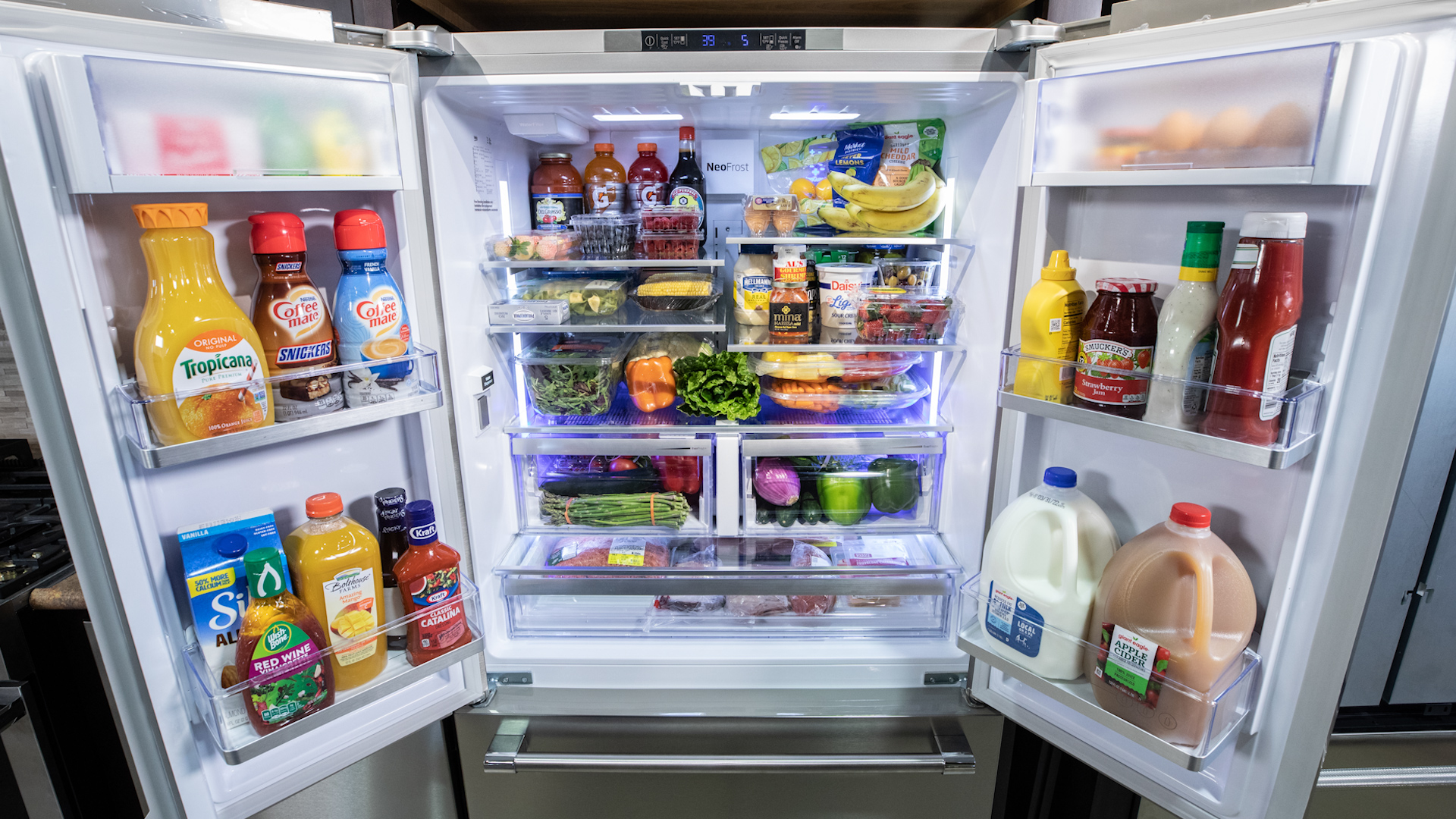
Cubic feet in a refrigerator refers to the amount of three-dimensional space inside the fridge and freezer. One cubic foot equals a space that is 1 foot long, 1 foot wide, and 1 foot high.
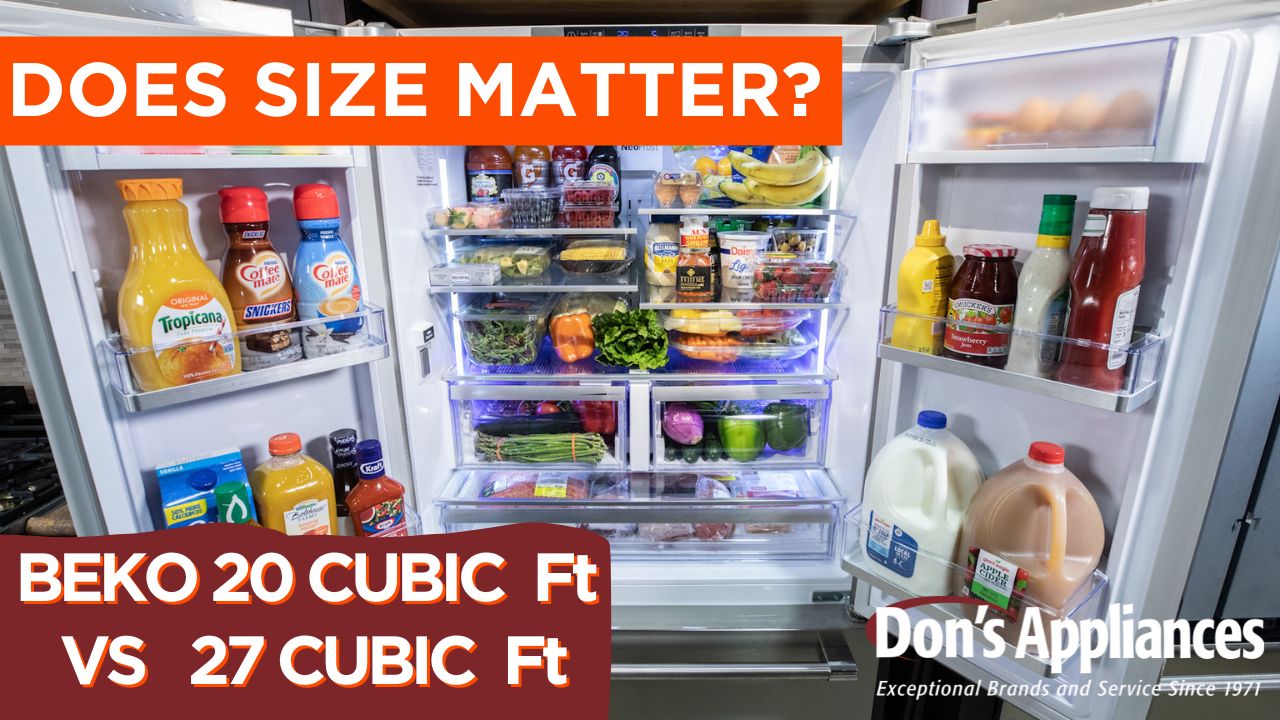
Manufacturers use cubic feet to show refrigerator capacity. For example, a refrigerator labeled 20 cubic feet has about 20 cubic feet of total interior volume. This number usually includes both the fresh-food section and the freezer.
Think of it like the size of a storage box. A larger box can hold more items, while a smaller box may fill up quickly. However, the shape of the box also matters. Two refrigerators with the same capacity may not store food in the same way.
Total capacity versus usable capacity
The listed capacity is often the total interior volume. It may include space taken up by:
• Shelves
• Drawers
• Door bins
• Ice makers
• Water filters
• Interior walls
• Air vents
This means the usable storage space is slightly less than the advertised number. A refrigerator with 22 cubic feet may not provide 22 cubic feet of open space for food.
How Refrigerator Capacity Is Calculated
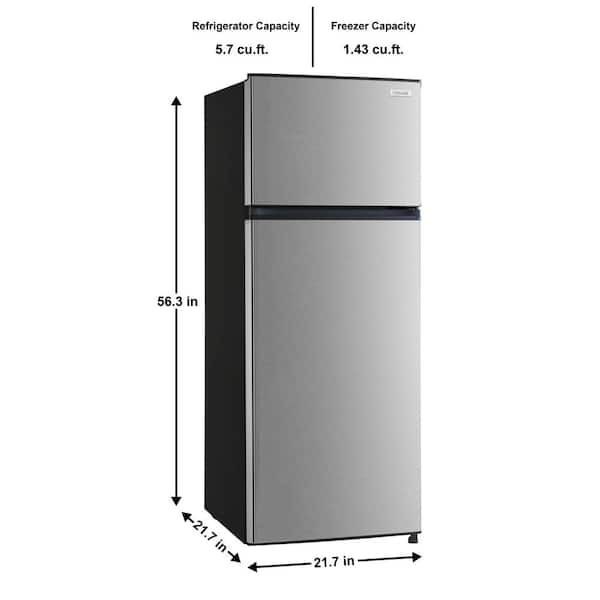
To understand what cubic feet in a refrigerator means, it helps to know how volume is measured. The basic formula is:
Length × width × height = cubic feet
Measurements must be in feet. If you measure in inches, divide the final answer by 1,728 because one cubic foot contains 1,728 cubic inches.
For example, imagine a simple refrigerator compartment that measures:
• 3 feet long
• 2 feet wide
• 4 feet high
The calculation would be:
3 × 2 × 4 = 24 cubic feet
Real refrigerators are not perfect boxes. Their corners may be rounded, and shelves or cooling parts take up room. Manufacturers use industry measurement methods to estimate the total capacity.
Why the number may not match your home measurement
You may measure a refrigerator and get a different result from the number on the product label. This can happen because:
• The interior has curved walls
• The ice maker occupies space
• The manufacturer uses a standard testing method
• The listed number includes the freezer
• Shelves and bins reduce open storage
• Some areas are difficult to reach or use
The capacity number is still helpful for comparing models. Just remember that it is a volume estimate, not a promise that every inch will be easy to use.
What Is Included in Refrigerator Cubic Feet?
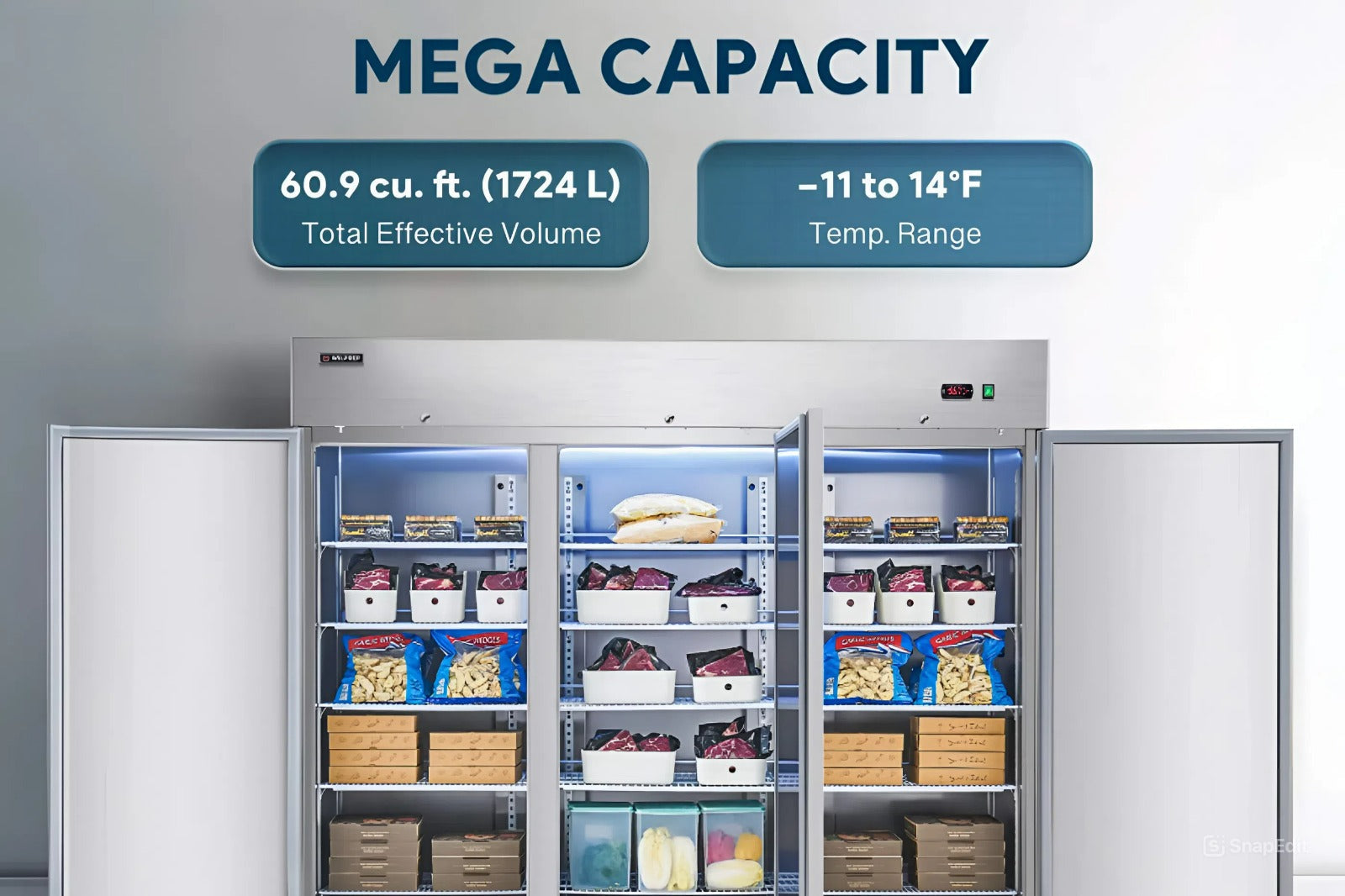
Most refrigerator capacity ratings include the combined space of the refrigerator compartment and freezer compartment. A model advertised as 25 cubic feet may have about 17 cubic feet for fresh food and 8 cubic feet for frozen food.
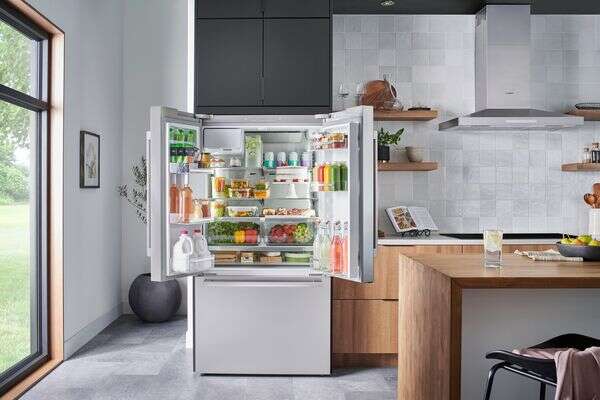
The exact split depends on the design. French-door refrigerators often provide a large fresh-food area with a bottom freezer. Side-by-side models divide the unit vertically, giving you narrow refrigerator and freezer sections.
When comparing what cubic feet in a refrigerator means, check the product specifications for separate measurements. Look for:
• Total capacity
• Refrigerator capacity
• Freezer capacity
• Ice storage capacity
• Door storage details
• Adjustable shelf space
A larger total number does not always mean better storage. A wide refrigerator may hold a large platter more easily than a narrow refrigerator with the same total volume.
Common refrigerator layouts
Top-freezer refrigerators
These models place the freezer above the fresh-food area. They often provide efficient storage and a good amount of usable refrigerator space.
Bottom-freezer refrigerators
These models place the freezer below the refrigerator. They make fresh food easier to reach but may require more bending to access frozen items.
Side-by-side refrigerators
These models place the freezer and refrigerator next to each other. They offer easy access to both sections, but each side is usually narrow.
French-door refrigerators
These models combine two refrigerator doors with a bottom freezer. They often provide flexible storage for wide dishes, produce drawers, and large family meals.
Compact refrigerators
Compact models may range from less than 1 cubic foot to around mini-fridge size. They work well for bedrooms, offices, dorm rooms, garages, or occasional use.

How Many Cubic Feet Do You Need?
The right refrigerator capacity depends on household size, shopping habits, kitchen space, and food storage needs. A common planning estimate is around 4 to 6 cubic feet per person.
This is only a starting point. Someone who buys fresh food several times a week may need less space than someone who shops once every two weeks. A family that freezes meals, meat, or garden produce may need a larger freezer.
Here is a general guide:
• One person: 8 to 12 cubic feet
• Two people: 12 to 18 cubic feet
• Three or four people: 18 to 24 cubic feet
• Five or more people: 25 cubic feet or more
These ranges include the refrigerator and freezer together. They are not strict rules.
Consider your shopping style
Ask yourself:
• How often do you shop for groceries?
• Do you buy large packages?
• Do you store leftovers often?
• Do you freeze meals?
• Do you keep drinks in the refrigerator?
• Do you host holidays or large gatherings?
• Do you buy fresh produce in bulk?
If you shop often and eat most food within a few days, a smaller unit may work well. If you stock up during sales, you will likely benefit from more capacity.
A practical example
A couple who shops twice a week may feel comfortable with a 16 to 18 cubic-foot refrigerator. A family of four that stores packed lunches, large milk containers, leftovers, and frozen food may prefer 22 to 28 cubic feet.
The key lesson is simple: buy for your real habits, not an ideal lifestyle. A refrigerator that matches your routine will feel more useful than one with a large capacity but poor layout.

How to Compare Refrigerator Sizes Correctly
When comparing refrigerator capacity, do not look at cubic feet alone. Check the exterior dimensions and the interior layout at the same time.
A refrigerator may have a high capacity but a narrow design. Another model may have slightly less capacity but wider shelves and better drawers. In daily use, the second model may feel larger.
Pay attention to:
• Width of the shelves
• Height between shelves
• Depth of the refrigerator
• Size of crisper drawers
• Door-bin width
• Freezer drawer layout
• Ice maker location
• Space for large containers
A deep refrigerator can hold more food, but items may disappear at the back. A shallow counter-depth model may offer less capacity but better visibility.
Standard-depth versus counter-depth
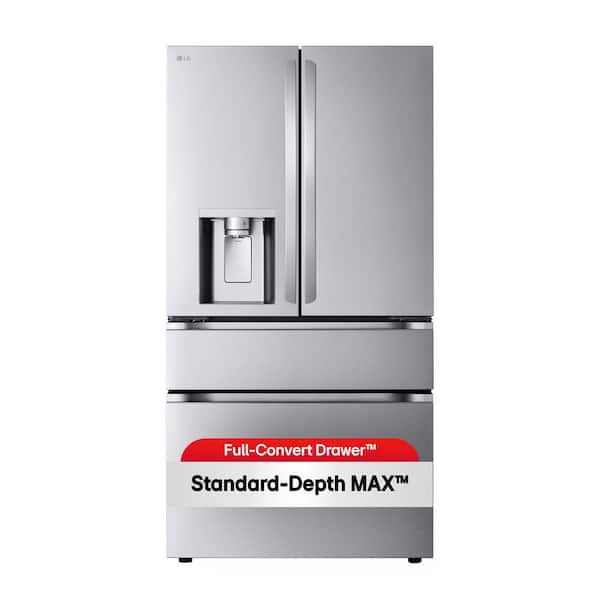
Standard-depth refrigerators usually extend farther beyond the kitchen cabinets. They often offer more cubic feet and more storage depth.
Counter-depth refrigerators sit closer to the cabinet line. They create a cleaner look and make food easier to see, but they commonly provide less capacity.
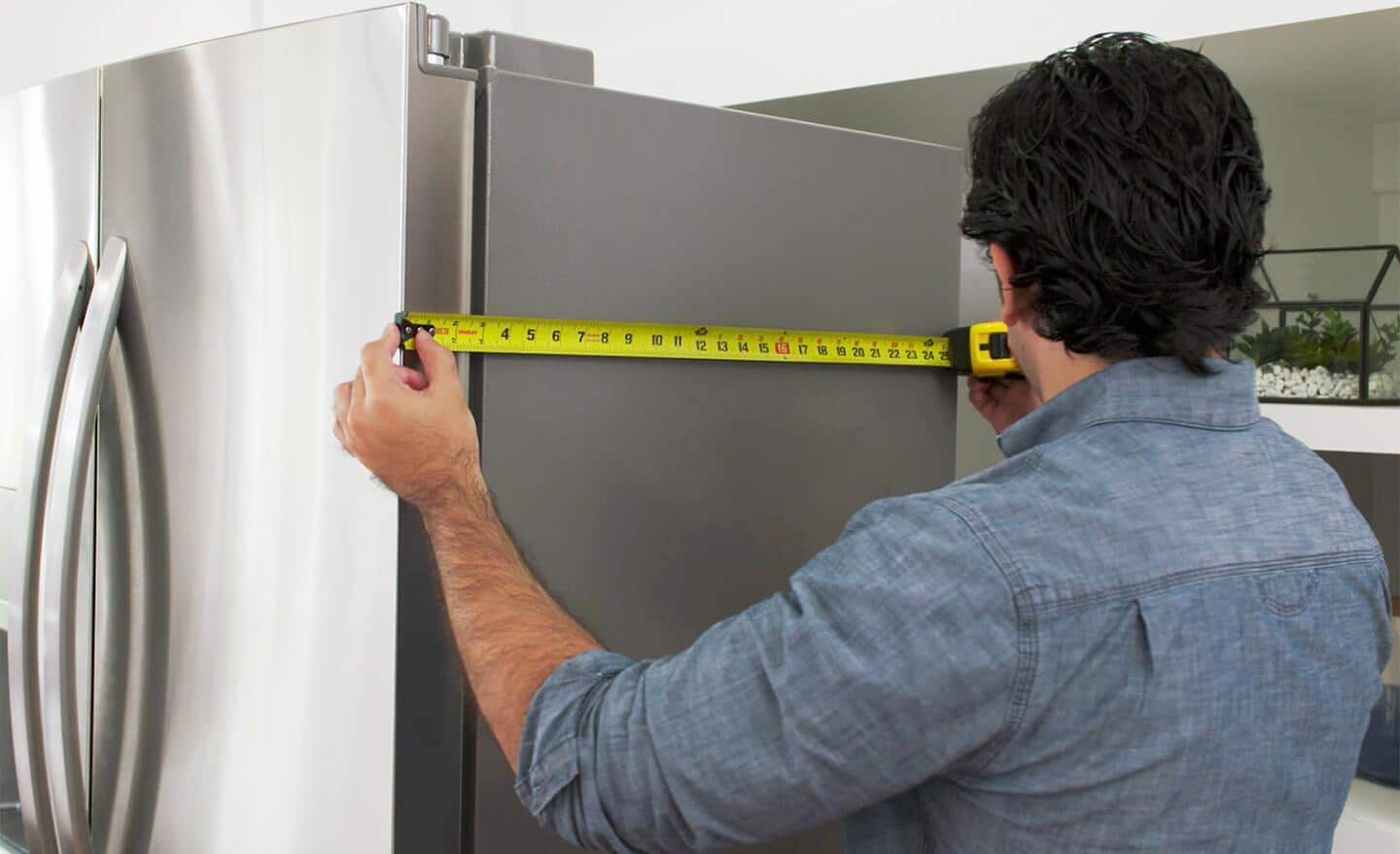
Before buying, measure the opening carefully. Include:
• Cabinet opening width
• Available height
• Depth to the wall
• Door swing space
• Handle clearance
• Space for ventilation
• Path through doorways and hallways
A refrigerator must fit through your home before it can fit in your kitchen. This is one of the most common mistakes shoppers make.
How to Measure Your Existing Refrigerator
You can estimate what cubic feet in a refrigerator means by measuring the interior compartments. Remove food and movable shelves first for a more accurate estimate.
Measure each compartment separately:
- Measure the interior length in inches.
- Measure the interior width in inches.
- Measure the interior height in inches.
- Multiply length by width by height.
- Divide the result by 1,728.
- Add the refrigerator and freezer measurements together.
For example, a compartment measuring 30 inches by 24 inches by 36 inches would equal:
30 × 24 × 36 = 25,920 cubic inches
Then:
25,920 ÷ 1,728 = 15 cubic feet
This estimate may be higher than the truly usable space because shelves, drawers, walls, and cooling equipment reduce storage.
Measuring the outside
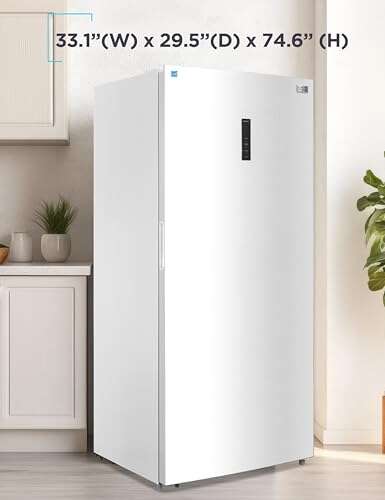
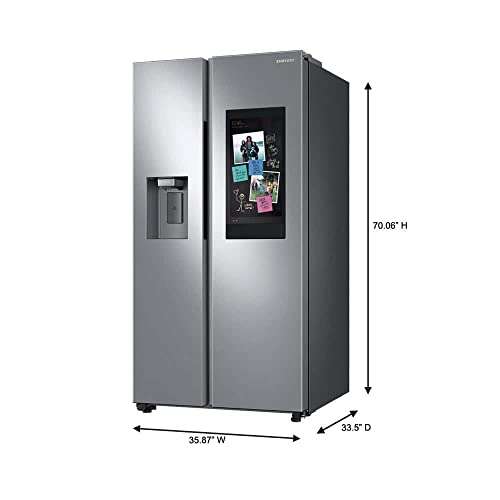
Exterior measurements help you confirm whether a new refrigerator will fit. Measure from the widest points, including handles if needed.
Leave extra room around the appliance. Refrigerators need space for airflow, door movement, cleaning, and service. Always check the installation guide because clearance requirements vary by model.
Does More Cubic Feet Mean a Better Refrigerator?
Not always. More cubic feet means more volume, but it can also mean higher purchase cost, greater energy use, and a larger footprint.
A large refrigerator may be useful for a busy family. However, extra space does not help if food gets pushed to the back and forgotten. Poor organization can make a large refrigerator feel smaller than it is.
A smaller refrigerator may be better when:
• Your kitchen has limited space
• You shop several times each week
• You live alone or with one other person
• You want lower energy use
• You prefer less food waste
• You do not store many frozen items
The best refrigerator capacity is the one you can fill comfortably without blocking airflow or losing track of food.
Storage design matters
Adjustable shelves, full-width drawers, and strong door bins can make a major difference. A smart layout often provides more practical value than one or two extra cubic feet.
In my experience helping people compare appliance specifications, the biggest mistake is choosing by the capacity number alone. Shoppers often discover that a large ice maker or bulky water filter takes away space they expected to use.
Refrigerator Capacity and Energy Use
Refrigerator size can affect energy consumption, but cubic feet is not the only factor. Energy use also depends on insulation, compressor design, temperature settings, door seals, age, and features.
A modern ENERGY STAR-certified refrigerator generally uses less energy than older, less efficient models of a similar size. Check the yellow EnergyGuide label to compare estimated yearly electricity use and operating cost.
Useful energy-saving habits include:
• Keep the refrigerator around 37°F
• Keep the freezer around 0°F
• Check door seals for gaps
• Avoid placing the appliance near heat
• Keep vents clear inside
• Let hot food cool before storing it
• Avoid leaving doors open for long periods
Do not overfill the refrigerator. Packed food can block air movement and create uneven temperatures. At the same time, an almost empty refrigerator may lose cold air faster when the door opens.

Common Mistakes When Choosing Refrigerator Capacity
Understanding what cubic feet in a refrigerator means can prevent several costly mistakes.
Mistake 1: Ignoring freezer capacity
Two refrigerators may have the same total capacity but very different freezer sizes. If you store frozen food often, compare freezer volume separately.
Mistake 2: Forgetting door clearance
A refrigerator may fit between cabinets but fail to open fully. This can prevent drawers from sliding out and make cleaning difficult.
Mistake 3: Buying more space than you use
Extra capacity can encourage overbuying. Forgotten leftovers and spoiled produce waste money and reduce the value of the larger appliance.
Mistake 4: Trusting exterior size alone
A tall or wide refrigerator is not automatically roomy inside. Insulation, ice makers, shelves, and cooling systems affect usable space.
Mistake 5: Forgetting delivery access
Measure doorways, stairs, elevators, and tight turns. A refrigerator can fit in the kitchen but still fail to reach it.
Mistake 6: Overlooking counter depth
Counter-depth models may look more built-in, but they often sacrifice interior volume. Make sure the appearance is worth the lost storage for your household.
Tips for Using Refrigerator Space Efficiently
Once you understand what cubic feet in a refrigerator means, organization becomes easier. Use the space by food type and keep the most-used items within reach.
Try these simple habits:
• Store dairy on stable shelves rather than the door
• Keep produce in the crisper drawers
• Use bins for small packages
• Label leftovers with dates
• Keep raw meat sealed on the lowest shelf
• Place taller items toward the back
• Avoid blocking interior air vents
• Review old food once a week
Use clear containers when possible. They let you see what you have and reduce the chance of forgetting leftovers.
A rotating system also helps. Move older food toward the front and place newer items behind it. This small habit can reduce waste without requiring more refrigerator capacity.
Frequently Asked Questions About What Does Cubic Feet in a Refrigerator Mean
Is refrigerator cubic feet the same as storage space?
Cubic feet measures total interior volume, not perfectly usable storage space. Shelves, drawers, walls, ice makers, and vents take up part of that volume.
Does refrigerator capacity include the freezer?
Yes, the listed capacity usually combines the refrigerator compartment and freezer compartment. Check the product specifications for separate fresh-food and freezer measurements.
How many cubic feet should a refrigerator have for a family of four?
A family of four often does well with about 18 to 24 cubic feet. Choose more space if you shop in bulk, freeze meals, or store large amounts of food.
Are counter-depth refrigerators smaller?
Counter-depth refrigerators are often less deep and may have less total capacity than standard-depth models. Their advantage is a cleaner fit with cabinets and easier access to food.
How do I calculate cubic feet from inches?
Multiply the interior length, width, and height in inches, then divide the result by 1,728. Repeat the calculation for each compartment and add the results together.
Is a larger refrigerator more expensive to operate?
A larger refrigerator may use more energy, but efficiency depends on the model and its design. Compare the EnergyGuide label and ENERGY STAR information rather than judging by size alone.
Conclusion
Cubic feet in a refrigerator is a measure of total interior volume. It helps you compare appliance sizes, but it does not show the full story of usable storage, layout, freezer space, or energy use.
Choose capacity based on your household size, shopping habits, kitchen measurements, and need for frozen storage. Before buying, compare interior dimensions, check clearance requirements, and review the EnergyGuide label.
Take a few minutes to measure your current refrigerator and track how you use its space. That simple step can help you choose a refrigerator that fits your home and your life.

Appliance Review Expert
Lucas Ramirez is a trusted voice at HomeFixGrid.com, known for his clear, practical, and creatively written guides that simplify appliance care for everyday homeowners. With a strong focus on hands-on testing and real-world problem-solving, Lucas brings expert insight into appliance reviews and troubleshooting techniques. Her work empowers readers to confidently maintain, repair, and choose the right appliances for their homes.