What Is The Coldest Setting On A Fridge 1-7: Best Guide
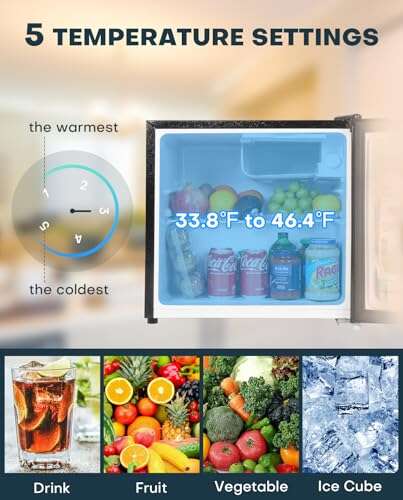
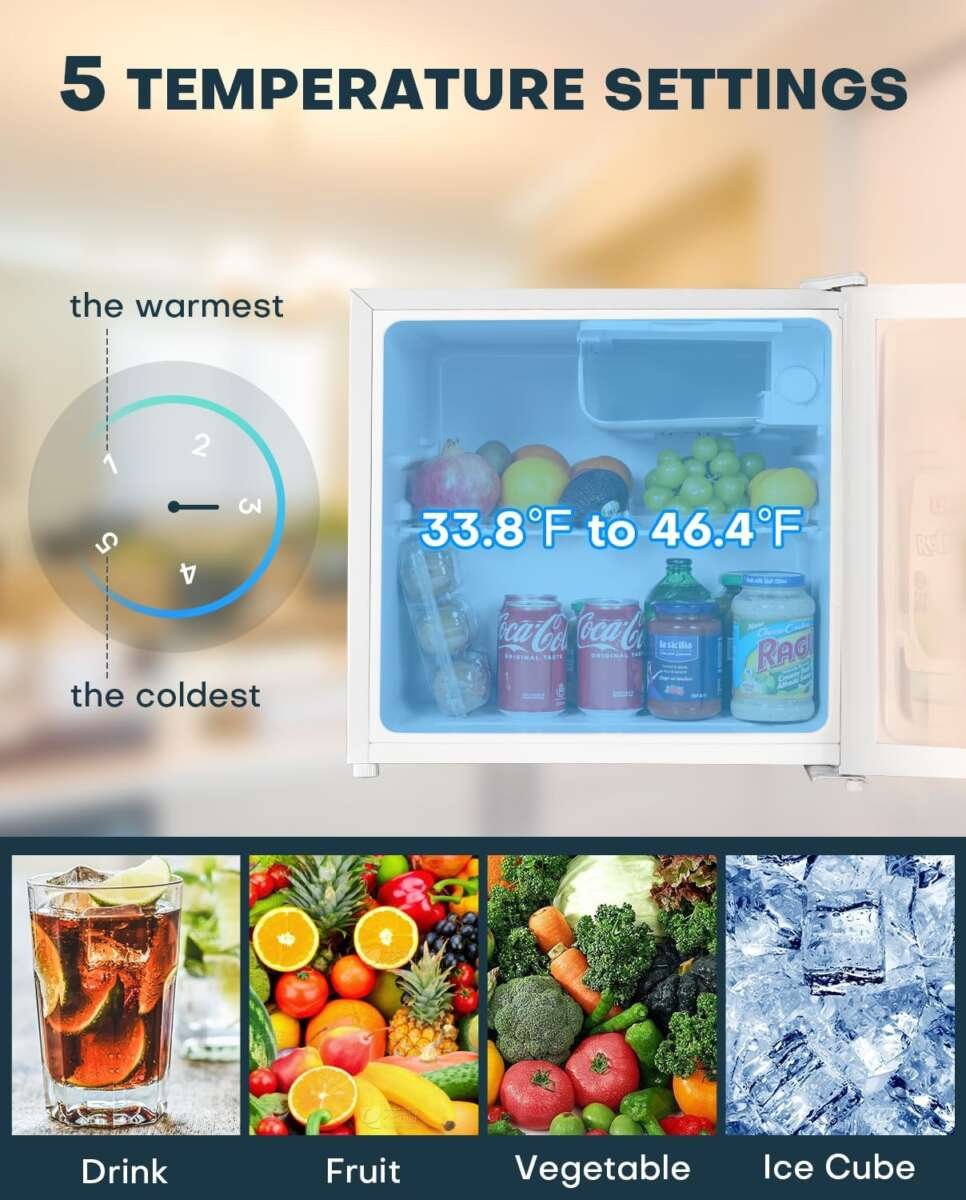
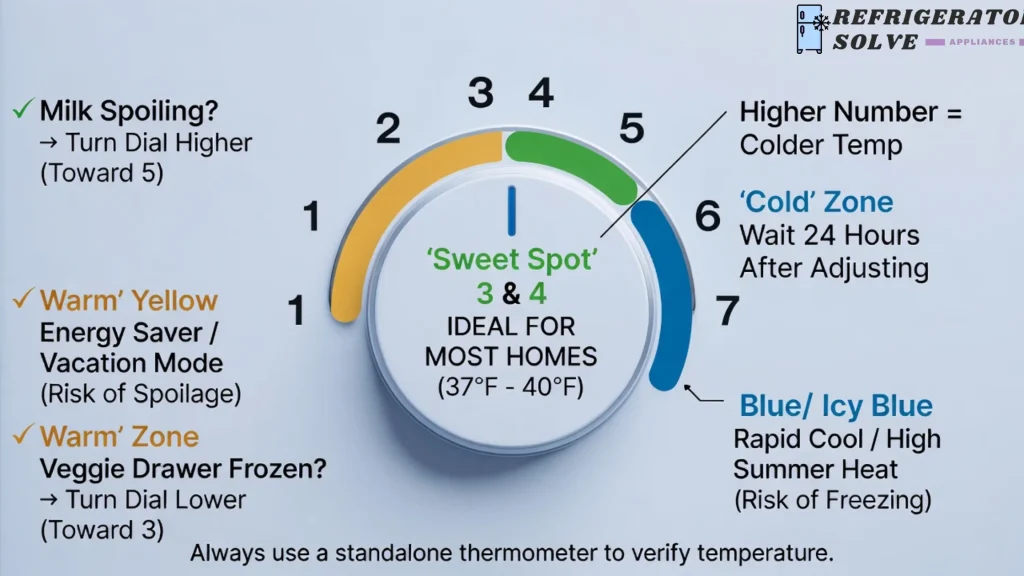
In most refrigerators sold in the United States, 7 is the coldest setting and 1 is the warmest. However, some models use a different control system, so check the owner’s manual if the dial does not clearly show what the numbers mean.
For safe food storage, the U.S. Food and Drug Administration (FDA) recommends keeping the refrigerator at 40°F or below. A setting near the middle, such as 3 or 4, often works well, but the actual temperature matters more than the number on the dial. Use an appliance thermometer to check it.
Is 7 the Coldest Setting on a Refrigerator?
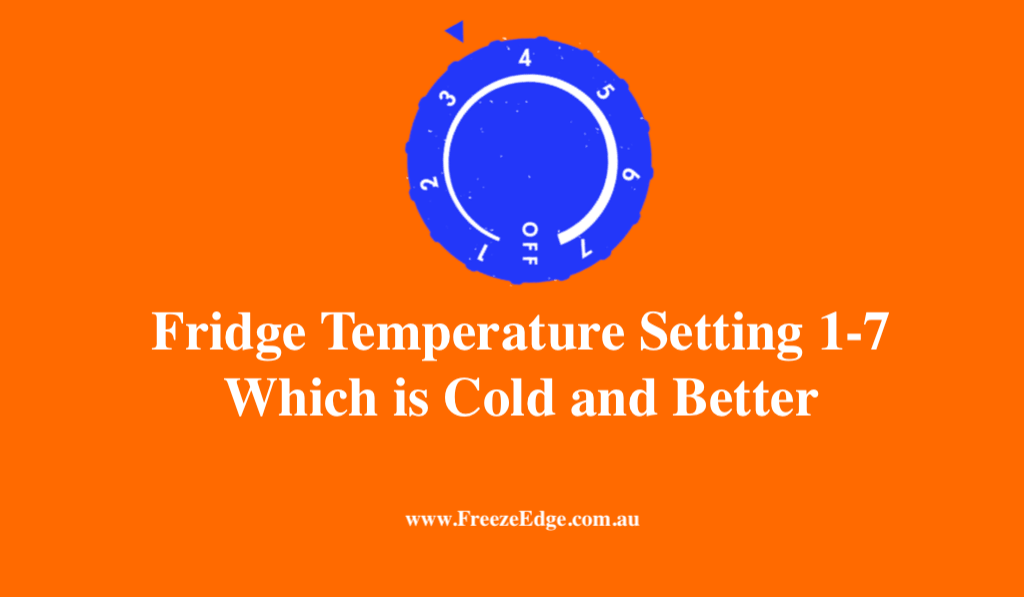
Usually, yes. On a 1–7 refrigerator dial, 7 normally means the coldest setting. The numbers usually show cooling power rather than exact temperatures.
| Setting | Usual meaning | Best use |
|---|---|---|
| 1 | Warmest | Cold rooms or a lightly used fridge |
| 2 | Slightly cool | Mild cooling |
| 3 | Moderate cooling | Everyday use in some homes |
| 4 | Medium-high cooling | A common starting point |
| 5 | Cold | Warm rooms or a fuller fridge |
| 6 | Very cold | Temporary extra cooling |
| 7 | Coldest | Short-term use or very warm conditions |
This numbering is common, but it is not universal. Some refrigerators use numbers that show the target temperature, while others have separate controls for the refrigerator and freezer. A few models may use a lower number for colder cooling.
Look for labels such as:
- Min/Max
- Cold/Coldest
- Warm/Cold
- Temperature control
- Freezer control
- Refrigerator control
If the dial says “coldest” next to 7, the answer is clear. If it does not, check the manual or the manufacturer’s support page for your exact model.
Why the dial does not show an exact temperature
A setting of 7 does not necessarily mean 37°F, and a setting of 3 does not necessarily mean 40°F. The number tells the refrigerator how strongly to run its cooling system. It does not measure the air temperature inside the compartment.
The real temperature can change based on:
- Room temperature
- How often the door opens
- How full the refrigerator is
- Where food is placed
- Airflow around the unit
- Dirty condenser coils
- Door-gasket condition
- The age and condition of the appliance
That is why an inexpensive refrigerator thermometer is more useful than the dial number alone.

What Temperature Should a Refrigerator Be?
A refrigerator should be kept at 40°F or below, according to the FDA. The FDA also advises setting the freezer to 0°F.
A practical target for many homes is:
- Refrigerator: About 37°F
- Freezer: 0°F
- Maximum refrigerator temperature: 40°F
Keeping the refrigerator near 37°F gives food some protection if the temperature rises briefly when the door opens. Do not set the refrigerator so cold that food regularly freezes unless the appliance manual specifically recommends it.
Why 40°F matters
Bacteria can grow quickly in the temperature range often called the “danger zone,” which the U.S. Department of Agriculture describes as 40°F to 140°F. Perishable foods should not remain in that range for long periods.
Cold storage slows bacterial growth, but it does not make food safe forever. Use refrigerator storage times from the USDA FoodKeeper tool, and discard food that has been held at unsafe temperatures for too long.
How to measure the temperature
Place a refrigerator thermometer in the center of the middle shelf. Do not place it directly against the rear wall, near the door, or beside a cooling vent.
Then:
- Set the refrigerator to a middle setting, such as 3 or 4.
- Close the door and leave the refrigerator alone for several hours.
- Check the thermometer.
- Adjust the dial one step at a time.
- Wait about 24 hours before checking the result again.
The refrigerator needs time to reach a stable temperature. Changing the control several times in one hour can make the result hard to judge.
What Setting Should You Use: 1, 3, 4, or 7?
For most U.S. homes, start around 3 or 4, then adjust based on the thermometer reading. The correct setting depends on the appliance, room, food load, and season.
Use a lower number when the refrigerator is too cold
Try a lower setting if:
- Food near the back wall is freezing.
- Lettuce or soft produce becomes icy.
- Milk freezes even though the fridge is not a freezer.
- The thermometer reads well below 35°F.
- The refrigerator runs almost all the time.
Move the dial down one step and wait 24 hours. Avoid placing delicate food near the back wall or a cold-air vent, where local temperatures may be lower than the rest of the compartment.
Use a higher number when the refrigerator is too warm
Try a higher setting if:
- The thermometer reads above 40°F.
- Milk spoils sooner than expected.
- Food feels only slightly chilled.
- The refrigerator is packed tightly.
- The room is unusually hot.
- The door is opened often.
Move the dial up one step, then check the temperature again after about 24 hours.
Do not leave the refrigerator on 7 all the time
The coldest setting is not automatically the best setting. Running at 7 may:
- Freeze food in the refrigerator compartment
- Increase energy use
- Cause frost or ice buildup
- Hide a mechanical problem
- Make temperature control less stable
Use 7 only when the manual supports it or when you need temporary extra cooling while monitoring the temperature. If the refrigerator remains warm at 7, the problem may not be the setting.

Why Is the Refrigerator Still Warm on Setting 7?
If the refrigerator is warm even at the coldest setting, check simple causes before assuming the compressor has failed.
1. Check the actual temperature
Place a thermometer in the center of the refrigerator. The air may feel cold while the food temperature is too high, or the area near the door may feel warmer than the center.
If the thermometer stays above 40°F after the appliance has had time to cool, move perishable food to another working refrigerator or cooler with ice.
2. Check the door seal
Close the door on a sheet of paper. If the paper slides out easily, the gasket may not seal well.
Clean the gasket with warm water and mild soap. Remove food packages that block the door. Replace a cracked, loose, or badly deformed gasket if cleaning does not help.
3. Make sure air can move
Do not pack food tightly against the rear wall or cooling vents. Cold air must circulate through the compartment.
A completely empty refrigerator may also change temperature quickly because it has less thermal mass. Keep enough food and drinks inside for normal use, but leave open space around vents.
4. Inspect the outside of the appliance
Allow space around the refrigerator as required by the manual. Poor ventilation can reduce cooling performance.
Dust on accessible condenser coils can also affect heat release on some models. Unplug the refrigerator before cleaning any accessible coils, and follow the manufacturer’s instructions. Do not remove panels or touch electrical parts.
5. Consider the freezer
In many refrigerators, cold air for the fresh-food section comes from the freezer. If the freezer has heavy frost, blocked vents, or poor airflow, the refrigerator section may become warm.
Do not chip ice with a knife or sharp tool. If the manual provides a safe defrost procedure, follow it. Otherwise, use a qualified appliance technician.
When to call for service
Arrange service if:
- The refrigerator stays above 40°F after basic checks.
- The compressor runs constantly but cooling does not improve.
- You hear repeated clicking, buzzing, or grinding.
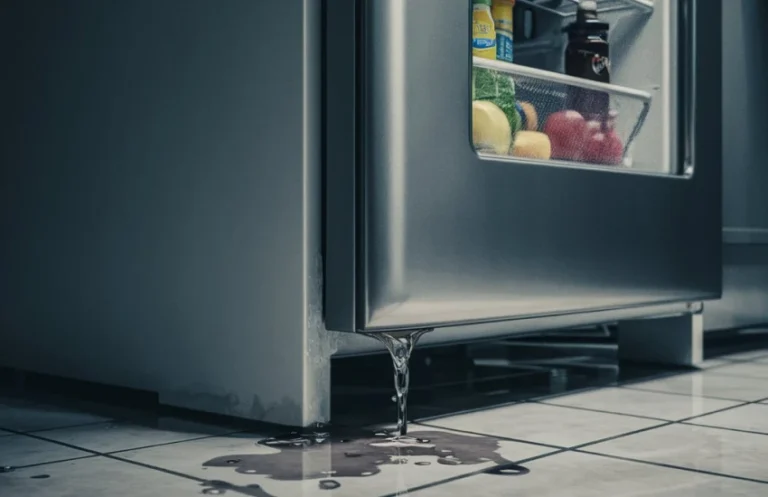
- Water or frost builds up in unusual places.
- The temperature changes sharply without a clear cause.
- The appliance has an electrical smell or damaged power cord.
Unplug the refrigerator and seek professional help if it shows signs of electrical damage. Do not attempt sealed-system, refrigerant, or electrical repairs yourself.

Why Is Food Freezing in the Refrigerator?
Food may freeze even when the dial is not set to 7. The coldest areas are often near the rear wall, cooling vents, ice maker, or freezer-air outlet.
Try these steps:
- Move food away from the rear wall and vents.
- Lower the control by one number.
- Check whether the refrigerator is below about 35°F.
- Confirm that the door gasket seals fully.
- Look for frost that may block airflow.
- Wait 24 hours before making another adjustment.
Some foods are more likely to freeze because they contain a lot of water. Lettuce, berries, eggs, and drinks can freeze when placed in a very cold zone.
If food freezes at every setting, the thermostat, sensor, damper, or control board may need attention. A technician can test these parts safely.

Common Mistakes With a 1–7 Refrigerator Dial
Mistake 1: Assuming the number equals degrees
A setting of 4 does not mean 4°F. It is usually a relative cooling level.
Mistake 2: Turning the dial to 7 to cool food faster
The coldest setting may make the refrigerator run longer, but it does not replace safe food-handling practices. Do not place hot food in large, deep containers and expect the dial to cool it quickly.
Divide leftovers into shallow containers and refrigerate them promptly. The USDA advises refrigerating perishable food within two hours, or within one hour when the outdoor temperature is above 90°F. See the USDA food safety guidance.
Mistake 3: Changing the setting too often
A refrigerator may need many hours to stabilize. Make one small change, then wait about 24 hours before judging the result.
Mistake 4: Trusting how the air feels
Cold air near a vent does not prove that the whole refrigerator is at a safe temperature. Use a thermometer.
Mistake 5: Ignoring the freezer control
Some refrigerators have separate controls. Turning the freezer colder may not cool the fresh-food compartment in the way you expect. Follow the model’s manual.
Mistake 6: Overloading the refrigerator
A full refrigerator can hold its temperature well, but tightly packed shelves can block airflow. Leave room around vents and avoid forcing the door shut.

Quick Answer: What Is the Coldest Setting on a Fridge From 1 to 7?
For most refrigerators, setting 7 is the coldest and setting 1 is the warmest. Start near 3 or 4, then use a refrigerator thermometer. Adjust the control until the refrigerator stays at 40°F or below, with about 37°F as a useful target.
The owner’s manual takes priority if the dial works differently.
FAQs
Is 1 or 7 colder on a refrigerator?
On most 1–7 refrigerator dials, 7 is colder. Confirm the direction by checking labels such as “coldest” or “maximum,” because some models use a different control design.
What number should my fridge be on in summer?
Start around 4 or 5 if the refrigerator is in a hot room, then check the internal temperature. Do not choose a number based only on the season. Keep the refrigerator at 40°F or below.
Should I set my fridge to 7 when it is full?
Not automatically. A full refrigerator may need better airflow, not maximum cooling. Leave space around vents and use a thermometer before increasing the setting.
Why is my fridge cold but my food is warm?
The air may feel cold near a vent while the center of the refrigerator remains too warm. Other causes include a poor door seal, blocked airflow, heavy frost, a faulty fan, or a cooling-system problem.
Can a refrigerator be too cold?
Yes. A refrigerator set too cold can freeze food, damage produce, increase energy use, and create frost. If food freezes, lower the setting and move food away from cold-air outlets.
Key Takeaways
- 7 is usually the coldest setting on a 1–7 refrigerator dial.
- The dial number is a cooling level, not an exact temperature.
- Keep the refrigerator at 40°F or below.
- About 37°F is a practical target for many homes.
- Start near 3 or 4, then adjust one step at a time.
- Use a refrigerator thermometer instead of relying on how the air feels.
- If the refrigerator stays warm on 7, check the door seal, airflow, frost, ventilation, and condenser area.
- Move perishable food to a safe cold source if the refrigerator remains above 40°F.
Conclusion
For most U.S. refrigerators, 7 is the coldest setting, but the best everyday setting is often near 3 or 4. The correct choice depends on the actual temperature inside the appliance.
Set the refrigerator, wait about 24 hours, and check it with a thermometer. Keep the compartment at or below 40°F, avoid blocked vents, and seek service if the refrigerator cannot maintain a safe temperature even at its coldest setting.

Appliance Review Expert
Lucas Ramirez is a trusted voice at HomeFixGrid.com, known for his clear, practical, and creatively written guides that simplify appliance care for everyday homeowners. With a strong focus on hands-on testing and real-world problem-solving, Lucas brings expert insight into appliance reviews and troubleshooting techniques. Her work empowers readers to confidently maintain, repair, and choose the right appliances for their homes.