What Temperature Should My Freezer Be Set To: Ideal Setting
Set your freezer to 0°F (-18°C) or colder to keep food safely frozen and preserve its quality.
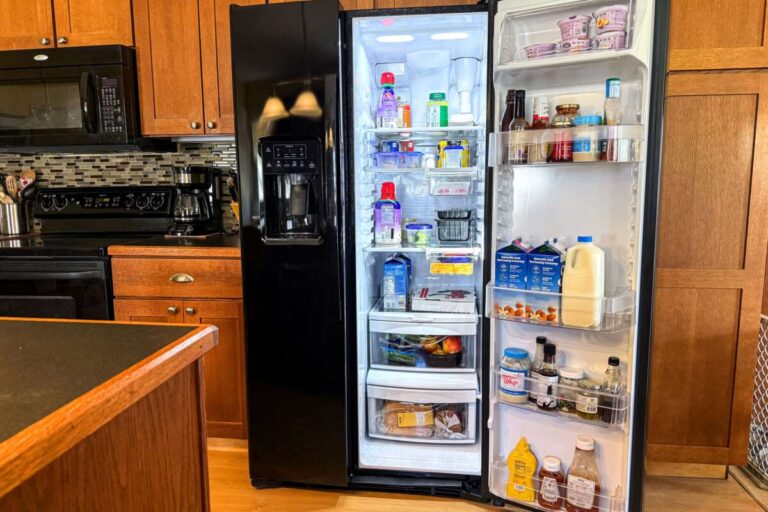
Knowing what temperature should my freezer be set to can help prevent spoiled food, freezer burn, and wasted money. The best setting is simple, but real freezer performance depends on air flow, door habits, food load, and the accuracy of the built-in display. This guide explains how to check the temperature, fix common problems, and keep frozen food safe for longer.
:max_bytes(150000):strip_icc()/RealSimple_refrigerator-temperature_01_preview-8d2cf36eb6064a3c99ed9e920010ba3c.jpg)
What temperature should my freezer be set to?
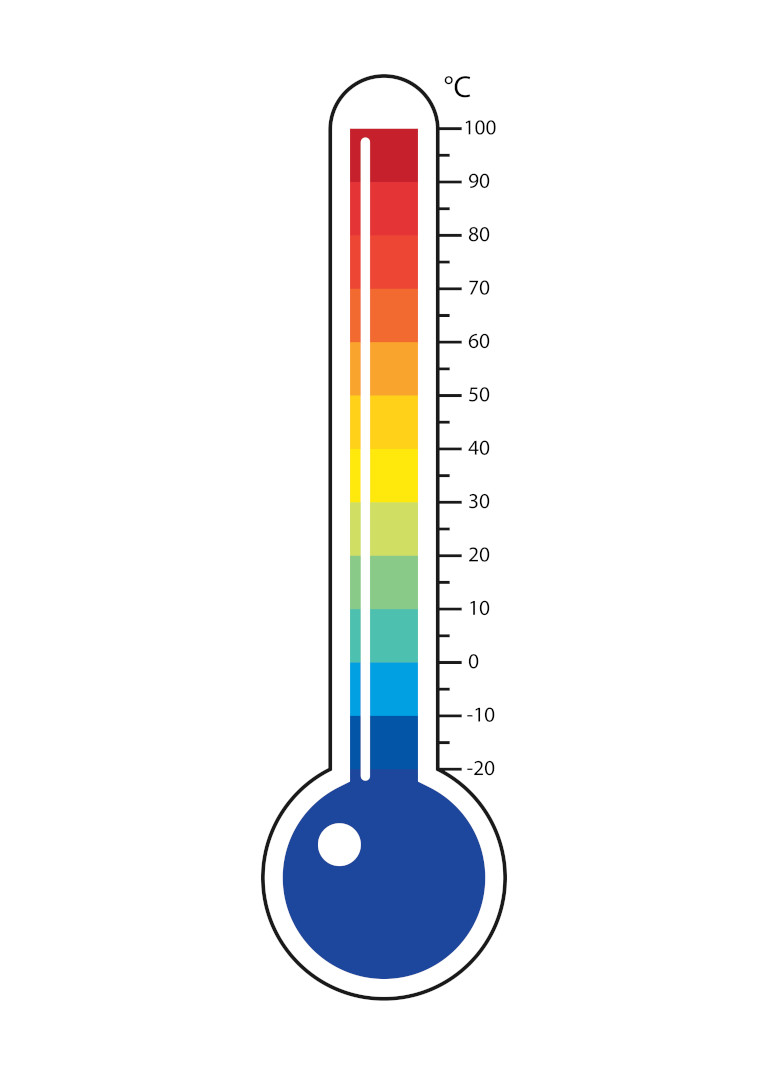
The ideal freezer temperature is 0°F (-18°C). This is the standard recommended temperature for home freezers because it keeps food solidly frozen and slows quality loss.
A freezer set to 0°F does not make food last forever. It mainly pauses the growth of bacteria and other microbes. Most bacteria cannot grow while food stays frozen, but freezing does not reliably kill every harmful germ.
The answer to what temperature should my freezer be set to is therefore 0°F or colder. Try not to set it much warmer than this, especially if the freezer is packed, opened often, or placed in a warm kitchen.
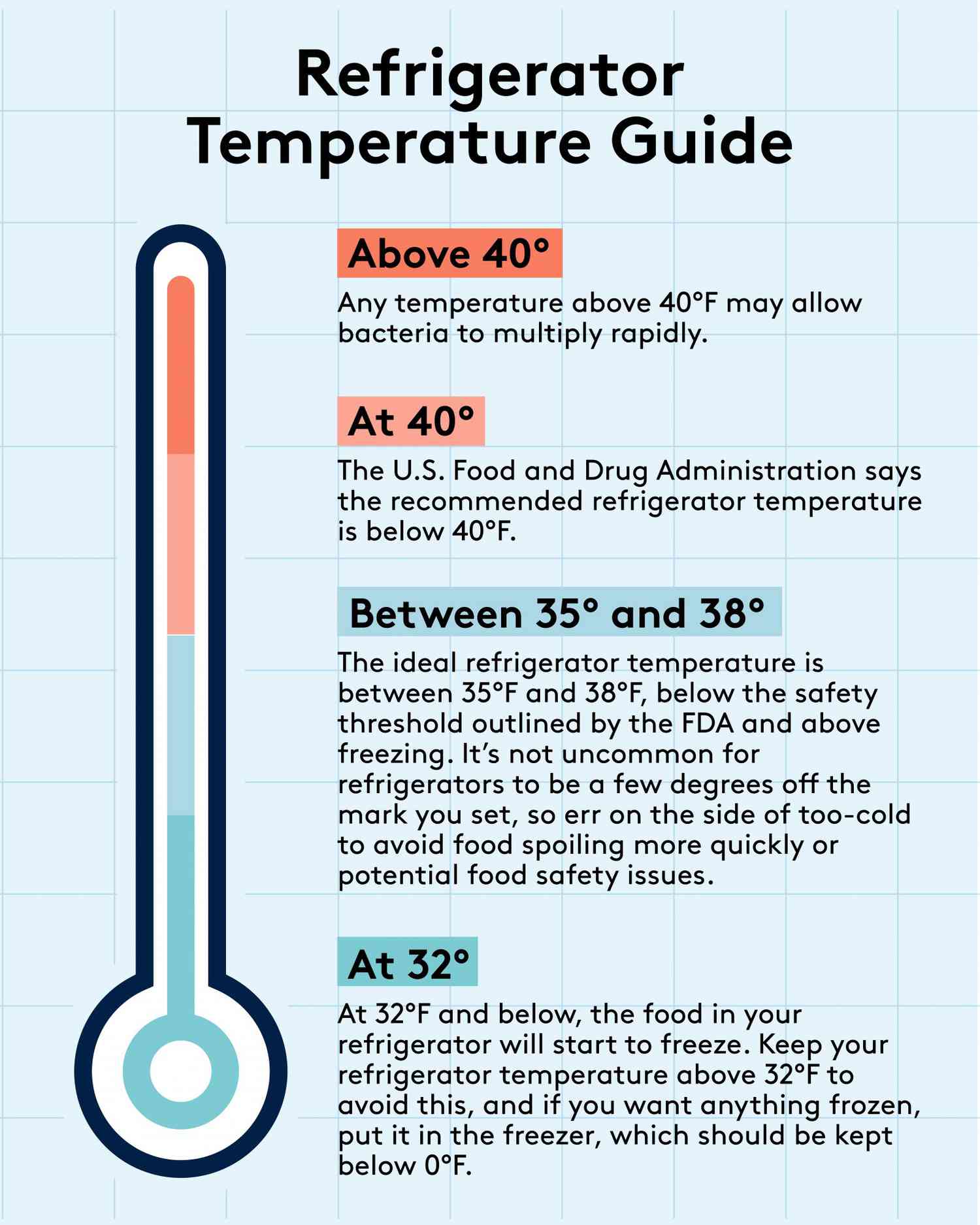
A setting between 0°F and 5°F may still keep food frozen, but 0°F gives you a useful safety margin. Temperatures above 10°F can lead to softer food, more ice crystals, and shorter storage quality.
Why 0°F is the recommended freezer temperature
Food freezes at different temperatures because water, salt, sugar, and other ingredients affect the freezing point. Plain water freezes at 32°F, but many foods need colder conditions to become fully solid.
At 0°F, food stays firm and frozen. This helps protect its texture and slows chemical changes that cause rancid flavors, color changes, and freezer burn.
Freezer burn is not usually dangerous. It happens when moisture leaves the surface of food and forms dry, pale patches. The food may still be safe, but its taste and texture can suffer.
Keeping the freezer at the right temperature also helps protect foods during short temperature swings. For example, the temperature may rise when you load groceries or leave the door open while searching for ice cream.
The key benefits of the correct freezer temperature include:
• Safer long-term frozen storage
• Better texture in meat, vegetables, and prepared meals
• Less freezer burn
• More reliable ice cream texture
• Lower risk of partial thawing
• Better protection during brief power interruptions

How to check your freezer temperature accurately
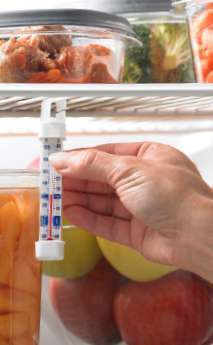
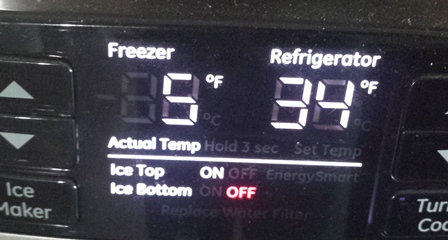
The display on your freezer may show the target setting, not the actual air temperature. A freezer thermometer gives a more useful reading.
Use a separate appliance thermometer made for freezer use. Place it near the center of the freezer, where food is stored. Avoid putting it directly against a wall, vent, door, or frozen package.
Follow these steps:
-
Set the freezer to 0°F (-18°C).
-
Put the thermometer in the center of the compartment.
-
Close the door and leave it shut for at least 12 hours.
-
Check the reading without leaving the door open for long.
-
Repeat the test on another day if the number seems unusual.
A small temperature change is normal. Many household freezers cycle on and off, so the reading may move a few degrees. What matters most is that the freezer stays at or below 0°F for most of the time.
If you are still unsure what temperature should my freezer be set to after checking it, use the thermometer reading rather than the control panel alone.
A simple freezer thermometer is one of the best low-cost tools in a kitchen. It can reveal a problem before food begins to thaw.
Where should you set the freezer control?
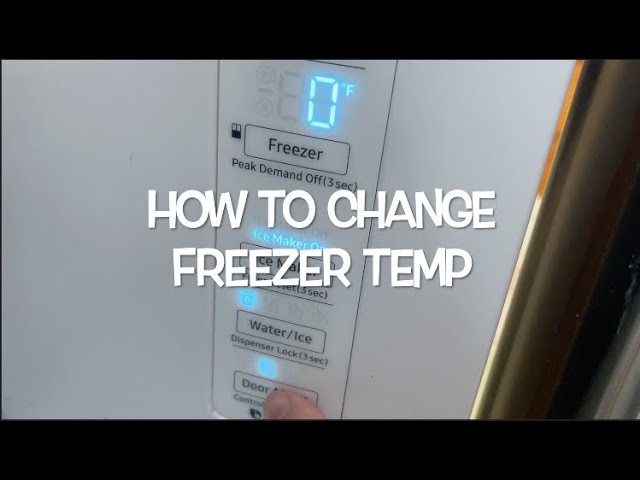
Many freezer controls use numbers instead of temperatures. A higher number often means colder, but this is not universal. Check the owner’s manual before assuming that setting 5 means 5°F.
If the freezer uses a simple dial, start at the middle setting. Wait about 24 hours, then check the actual temperature with a thermometer. Adjust the dial in small steps until the freezer reaches 0°F.
Do not turn the control to the coldest setting without checking the result. An overly cold freezer may waste energy and create more frost, while some foods may become harder to scoop or cut.
When deciding what temperature should my freezer be set to, focus on the measured temperature rather than the dial number. Every appliance has its own design, age, and cooling pattern.
Factors that can change freezer temperature
Even a correctly set freezer may not maintain a steady temperature if its surroundings or daily use change.
Door openings
Each time you open the door, warm and moist air enters. Frequent openings can raise the temperature and add frost.
Try to group freezer tasks together. Know what you want before opening the door, and close it as soon as possible.
Overloading
A tightly packed freezer can block vents and prevent cold air from moving. Food may stay frozen near the walls but become warmer in the center.
Leave space around air vents. Store food in clear containers or labeled bags so you can find items quickly.
Underloading
An almost empty freezer may warm faster when the door opens. Frozen food helps hold cold air, much like ice in a cooler.
If the freezer is mostly empty, keep several sealed containers of frozen water inside. Do not fill the space so tightly that air cannot circulate.
Room temperature
A freezer in a hot garage may struggle during summer. A freezer in an unheated area may also perform poorly during very cold weather, depending on the appliance design.
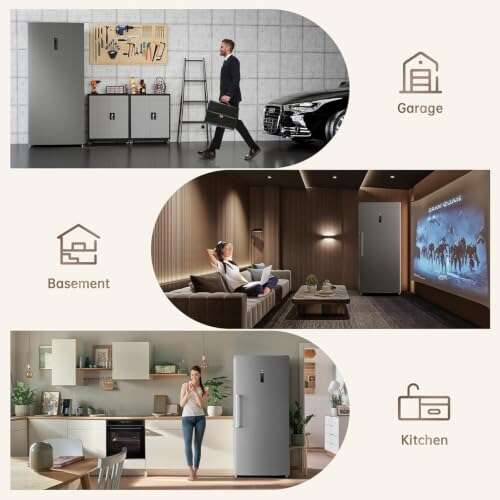
Check the manufacturer’s approved temperature range. Standard household freezers work best in a stable indoor space with good air flow.
Dirty condenser coils
Dust on condenser coils can reduce cooling performance. Unplug the appliance before cleaning, if the manual allows it, and use a soft brush or vacuum.
Some newer models have covered coils that do not need user cleaning. Follow the instructions for your specific freezer.
How freezer temperature affects different foods
The right freezer temperature protects many foods, but storage time still varies.
Meat and poultry
Raw meat and poultry should remain fully frozen at 0°F. Wrap them tightly in freezer-safe packaging to reduce air exposure and freezer burn.
For best quality, use older packages first. Label each package with the food name and freezing date.
Fruits and vegetables
Frozen produce keeps its quality best when it freezes quickly and stays at a steady temperature. Repeated thawing and refreezing can make vegetables soft and watery.
Use airtight bags or containers. Remove as much excess air as practical before sealing.
Bread and baked goods
Bread can freeze well, but poor wrapping may cause dry edges and stale flavors. Use a freezer bag or several layers of tight packaging.
Thaw bread at room temperature while it remains wrapped. This helps reduce moisture loss.
Ice cream
Ice cream often becomes hard, icy, or grainy when temperatures fluctuate. Store it toward the back of the freezer, where the temperature is usually more stable.
Keep the container closed and return it quickly after serving. A freezer that stays close to 0°F usually gives better results than one that repeatedly warms and refreezes.
Cooked meals
Cool cooked food promptly before freezing it. Divide large amounts into shallow containers so they freeze faster.
Leave a little space in rigid containers because food expands as it freezes. Mark the date and use older meals first.
:max_bytes(150000):strip_icc()/RealSimple_refrigerator-temperature_02_preview-068858f23c444a138404d79b904d8d7e.jpg)
Common freezer temperature problems and solutions
A freezer that is too warm can show several warning signs:
• Ice cream feels soft
• Food has thawed and refrozen
• Ice crystals cover packages
• Water collects under frozen food
• The freezer alarm sounds
• The motor runs almost nonstop
• The inside walls have heavy frost
First, check the temperature with a separate thermometer. Then inspect the door seal. Close the door on a piece of paper; if the paper slides out easily, the gasket may not be sealing well.
Next, check for blocked vents and make sure the freezer has space around it. Avoid placing hot food inside, as this can raise the internal temperature.
If the freezer remains warmer than 0°F after these checks, the appliance may have a failing fan, thermostat, compressor, or sealed cooling system. A qualified appliance technician can test these parts safely.
Do not ignore a freezer that stays above 10°F. Food may still look frozen while its quality and safety margin decline.
What to do after a power outage
Keep the freezer door closed during a power outage. A full freezer can usually hold a safe temperature for about 48 hours if the door remains closed. A half-full freezer may stay cold for about 24 hours.
These time estimates vary with room temperature, insulation, food load, and the condition of the appliance. Use a thermometer when power returns if possible.
Food that still contains ice crystals may often be refrozen, although its quality may decline. Perishable food that has completely thawed and stayed above 40°F for more than two hours should generally be discarded.
Never taste food to decide whether it is safe. Harmful bacteria may not change the smell, taste, or appearance.
When asking what temperature should my freezer be set to after an outage, return the appliance to 0°F and confirm the temperature with a thermometer. Do not rely only on how cold the food feels.

Tips for maintaining the right freezer temperature
Good habits make temperature control easier and help reduce energy waste.
• Keep the freezer at 0°F, not at the coldest possible setting.
• Use a separate freezer thermometer.
• Keep the door seal clean and intact.
• Avoid placing the appliance beside a stove or in direct sunlight.
• Leave space around vents for air flow.
• Freeze food in small, flat portions.
• Label food with the freezing date.
• Keep frequently used items near the front.
• Store older food where it is easy to use first.
• Defrost manual-defrost models when ice becomes about one-quarter inch thick.
A well-organized freezer is more than a tidy space. It acts like a map. When every item has a place, you spend less time searching with the door open.
One practical lesson from routine kitchen checks is that people often adjust the dial but never measure the result. A thermometer can show that a freezer set to “cold” is actually too warm, or that a small adjustment solves the problem.
Is colder than 0°F better?
Not always. A freezer set below 0°F can preserve food quality, but it may use more energy and make some foods unnecessarily hard.
The main goal is steady storage at 0°F or colder. Lower temperatures are useful for rapid freezing or special storage needs, but most households do not need an extremely cold setting.
A freezer that swings between 0°F and 20°F may cause more quality problems than one that stays steadily at 0°F. Stability matters as much as the number on the display.
This is why the best answer to what temperature should my freezer be set to remains 0°F, with regular thermometer checks.
Frequently Asked Questions About What Temperature Should My Freezer Be Set To
What temperature should a home freezer be set to?
Set a home freezer to 0°F (-18°C) or colder. This temperature keeps food safely frozen and helps protect its quality during normal storage.
Is 10°F cold enough for a freezer?
A freezer at 10°F may keep food frozen, but it is warmer than the recommended setting. For better quality and a stronger safety margin, adjust it to 0°F or colder.
How long does it take a freezer to reach 0°F?
A freezer may need about 12 to 24 hours to reach a stable temperature after an adjustment or first installation. Check it with an appliance thermometer rather than relying only on the display.
Should a freezer be full or empty?
A moderately full freezer usually holds cold better than an empty one, but it still needs space for air to circulate. Avoid blocking vents or packing food so tightly that cold air cannot move.
Is food safe if the freezer loses power?
Food may remain safe if it stays frozen or still has ice crystals. Keep the door closed, and discard thawed perishable food that has been above 40°F for more than two hours.
Why is my freezer cold but not cold enough?
Blocked vents, a poor door seal, dirty coils, excessive frost, or a failing component can cause this problem. Measure the temperature first, then inspect these areas before calling a technician.
Conclusion
The ideal answer to what temperature should my freezer be set to is 0°F (-18°C) or colder. Use a separate thermometer, keep air vents clear, limit door openings, and inspect the door seal when temperatures rise.
A steady freezer temperature protects food quality, reduces waste, and gives you greater confidence after power cuts or busy grocery days. Check your freezer today, make a small adjustment if needed, and explore more food-storage resources to keep your kitchen safe and efficient.

Appliance Review Expert
Lucas Ramirez is a trusted voice at HomeFixGrid.com, known for his clear, practical, and creatively written guides that simplify appliance care for everyday homeowners. With a strong focus on hands-on testing and real-world problem-solving, Lucas brings expert insight into appliance reviews and troubleshooting techniques. Her work empowers readers to confidently maintain, repair, and choose the right appliances for their homes.