Why Did My Microwave Stop Heating: Quick Fixes & Causes
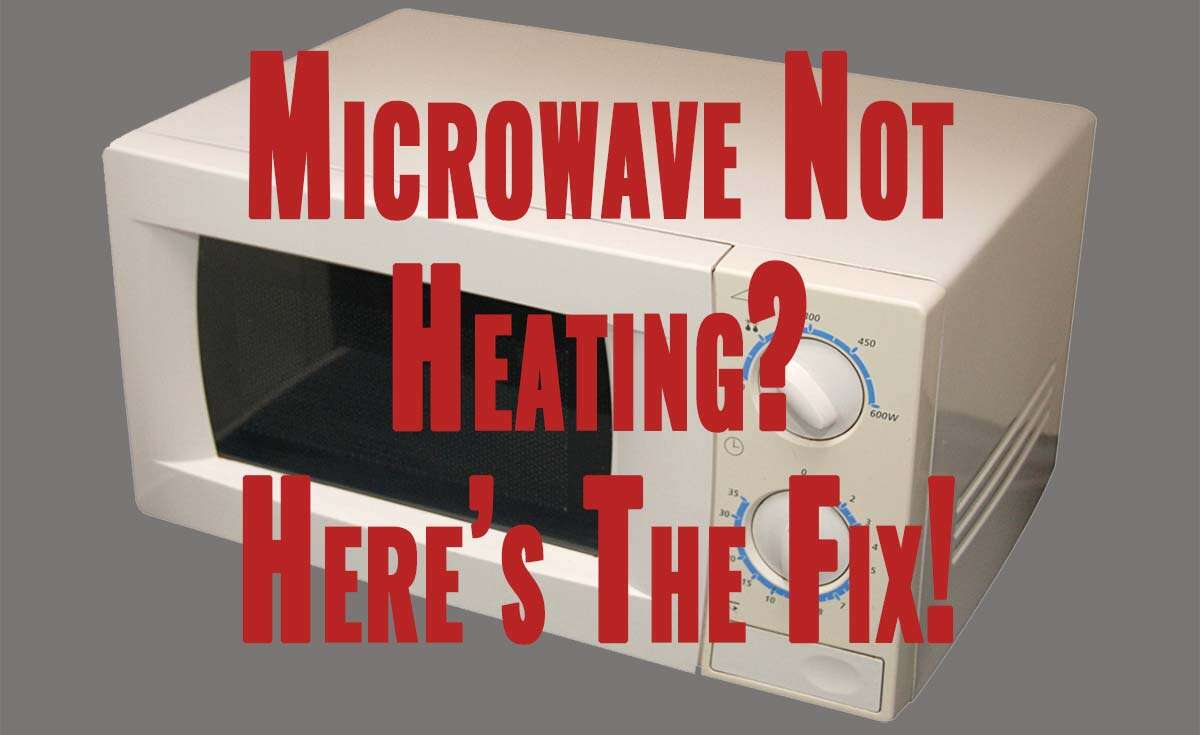
Most microwaves stop heating because a failed high-voltage component like the magnetron or diode.
I’ve spent years fixing kitchen appliances and teaching people simple, safe checks. If you’re asking why did my microwave stop heating, this guide will walk you through clear causes, hands-on troubleshooting, realistic repair options, and smart prevention tips. Read on to learn how to diagnose the problem safely, when to DIY, and when to call a pro.
Common causes of why did my microwave stop heating
Microwaves are simple in use but complex inside. When you ask why did my microwave stop heating, these parts are the usual suspects.
- Magnetron failure
- The magnetron makes the microwaves that heat food. If it dies, the microwave will light and spin but not heat.
- High-voltage diode or capacitor problems
- The diode and capacitor work with the magnetron. A bad diode often causes no heat while controls still work.
- Faulty door switches
- If a door switch is broken or misaligned, the magnetron won’t get power for safety reasons.
- Blown internal fuse or thermal fuse
- A blown fuse or thermal cutoff stops power to high-voltage parts. This is common after overheating or a short.
- Control board or relay failure
- The control board sends power to the high-voltage circuit. A failing board can prevent heating.
- Transformer failure
- The high-voltage transformer steps up voltage for the magnetron. If it fails, there’s no heating.
- Power or outlet issues
- A weak outlet or a tripped breaker can make the unit behave oddly. It may light but not run at full power.
- User settings or safety features
- Low power settings, using defrost instead of high, or child lock can seem like no heating but are just settings.
- Arcing or waveguide damage
- Burn marks or a damaged waveguide cover can stop microwaves and trip protection circuits.
If you need to know why did my microwave stop heating, start with these parts. Each one is a common failure point.
How to diagnose why did my microwave stop heating safely at home
Safety first. Microwaves store lethal voltage in the capacitor. Avoid opening the cavity unless you know how to discharge it. These safe checks will narrow the cause.
- Check power and settings
- Confirm the outlet works by plugging in another device. Check the power level and timer.
- Observe lights, fan, and turntable
- If lights and turntable run but food stays cold, suspect high-voltage parts like the magnetron or diode.
- Listen for humming
- A loud humming without heating can mean a magnetron attempt that fails. Silence may point to no power to that circuit.
- Smell and visual inspection
- Burnt smells, scorch marks, or arcing are red flags. Also check the waveguide cover for damage.
- Check fuses and circuit breakers
- Unplug the microwave and inspect the main fuse and thermal fuses. Replace only with identical parts.
- Test door switches (basic)
- If comfortable, check for consistent clicks when you open/close the door. Inconsistent clicks suggest a switch issue.
- Use a multimeter for simple tests
- You can test continuity on fuses and switches. Do not test the high-voltage capacitor unless you know how to discharge it.
If any of these steps point to the magnetron, diode, capacitor, transformer, or control board, stop and call a professional. Working inside a microwave is dangerous.

Simple fixes you can try yourself when your microwave stopped heating
Some problems are quick to fix and safe for a homeowner. Here are low-risk steps that often solve why did my microwave stop heating.
- Reset power and check outlet
- Flip the breaker or unplug for a minute. Test the outlet with another appliance.
- Replace a blown external fuse or reset GFCI
- Home fuses or GFCI outlets sometimes cut power. Fixing those can restore heating.
- Clean the waveguide cover and cavity
- Food splatter can cause arcing and trip internal protection. A clean cavity improves performance.
- Check and realign the door latch
- If the door doesn’t seat properly, heating will not occur. Tighten or realign the latch if accessible.
- Replace simple parts like fuses or the turntable motor
- If you are handy, replace accessible internal fuses or the motor. Use exact replacement parts.
Avoid attempting magnetron, high-voltage diode, or capacitor repairs unless you are trained. Those parts can kill. If simple fixes don’t work, professional help is the right move.

When to call a pro or replace the microwave
Knowing when to stop is smart. Here’s how to decide if your microwave is worth repairing.
- Safety risk or high-voltage failures
- If diagnostics point to the magnetron, diode, capacitor, or transformer, hire a qualified technician.
- Repair cost vs replacement cost
- For older microwaves (over 7–10 years), repair costs for high-voltage parts often approach or exceed replacement cost.
- Warranty and brand considerations
- If the unit is under warranty, use authorized repair to keep coverage valid.
- Recurring issues or smoke/arcing
- If the microwave has repeated faults or showed smoke, replace it for safety.
Typical repair costs vary widely. Minor parts and labor may be inexpensive, but magnetron or control board replacements can be costly. If you keep asking why did my microwave stop heating and it’s older, replacement is often the best value.

Preventive tips to avoid future heating failures
Small habits extend the life of your microwave. These tips help prevent the problem “why did my microwave stop heating” before it starts.
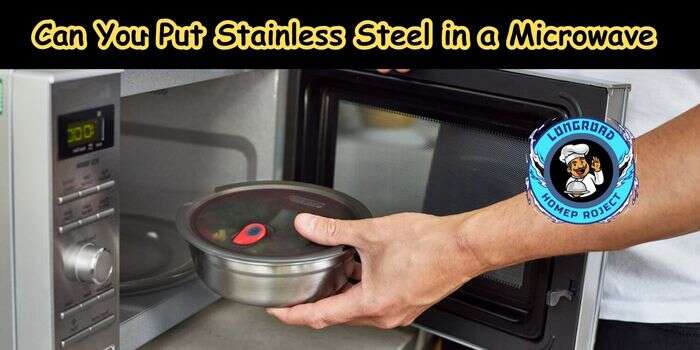
- Use microwave-safe containers only
- Metal or foil can cause arcing and damage internal parts.
- Avoid running it empty
- An empty run can overheat the magnetron quickly.
- Keep it clean
- Food splatters cause arcing and stress the waveguide and magnetron.
- Allow proper ventilation
- Blocked vents cause overheating and trip thermal cutoffs.
- Don’t heat oily or sugary spills unattended
- These create hot spots and can damage the cavity and parts.
- Schedule checks for older units
- A yearly look for rust, seals, and vent blockages helps catch problems early.
Good habits cut the chance you’ll ask why did my microwave stop heating again.
Personal experience: what I learned fixing microwaves
I used to repair appliances in a local shop. I remember a customer who said, “My microwave stopped heating overnight.” The unit lit and spun, but food stayed cold. I found a blown high-voltage diode. Replacing it fixed the oven for a fraction of the cost of a new unit. Lessons I learned:
- Always start with power and settings checks.
- Visual inspection often reveals the problem.
- Never work on the high-voltage section without training.
- When in doubt, replace the unit if it’s old or repair costs are high.
These real cases shaped how I advise people today when they ask why did my microwave stop heating.

Quick answers to common questions you may search (PAA-style)
Q: Can a microwave stop heating but still turn on?
- Yes. Lights and turntable can work while the magnetron or diode fails. That is a common sign of high-voltage failure.
Q: Is it safe to open my microwave and replace parts myself?
- No, not the high-voltage parts. You can replace easy items like turntable motors or fuses, but magnetron and capacitor repairs require a trained technician.
Q: How long do microwaves usually last before they stop heating?
- Typical life is 7–10 years. Proper use and care can extend this. Heavy daily use shortens lifespan.
Frequently Asked Questions of why did my microwave stop heating
Why does my microwave light and turntable work but the food stays cold?
This usually means the high-voltage system failed. The magnetron, diode, or transformer is likely the problem. Have a technician inspect those parts.
Can a blown fuse cause no heating?
Yes. A blown internal fuse or thermal fuse can cut power to the heating circuit. Replacing the correct fuse can restore heating if no further damage exists.
Could door switches cause no heating?
Yes. If a door switch is defective, the microwave won’t energize the magnetron for safety. Replacing the switch often fixes the issue.
What does arcing inside the microwave mean for heating?
Arcing can damage the waveguide and magnetron and will often lead to heating problems. Stop using the microwave and inspect for metal or burn damage.
How much does it cost to fix a microwave that stopped heating?
Costs vary. Simple repairs like fuses or motors are low-cost. Magnetron or control board repairs can be expensive and may exceed the cost of a new unit.
Conclusion
You now have a clear roadmap to answer why did my microwave stop heating. Start with safe, simple checks: power, settings, and visible damage. If the problem points to the magnetron, diode, capacitor, or transformer, call a professional. Protect yourself by avoiding high-voltage repairs and by following preventive habits to extend appliance life. Try the easy fixes first, then decide based on age and repair cost whether to fix or replace.
Take action: run the simple checks listed here, and if you’re unsure, consult a certified technician or consider replacing older units. Leave a comment with your symptoms and I’ll help you narrow it down.

Appliance Review Expert
Lucas Ramirez is a trusted voice at HomeFixGrid.com, known for his clear, practical, and creatively written guides that simplify appliance care for everyday homeowners. With a strong focus on hands-on testing and real-world problem-solving, Lucas brings expert insight into appliance reviews and troubleshooting techniques. Her work empowers readers to confidently maintain, repair, and choose the right appliances for their homes.