Best Mattress For Back Sleepers Consumer Reports: Top Picks
The best mattress for back sleepers balances firm support, gentle pressure relief, cooling, and strong long-term value.
If you wake with a stiff lower back, your mattress may be letting your hips sink too far or pushing against your shoulders. I know how frustrating that feels, especially after a full night in bed. A good back-sleeping mattress should keep your spine level while still cushioning your hips and shoulders. In this guide, I review the Celestial Sleep mattress, explain what to look for in Consumer Reports-style testing, and help you choose a fit based on support, firmness, heat control, safety, and price.
Celestial Sleep 8-Inch Firm Mattress

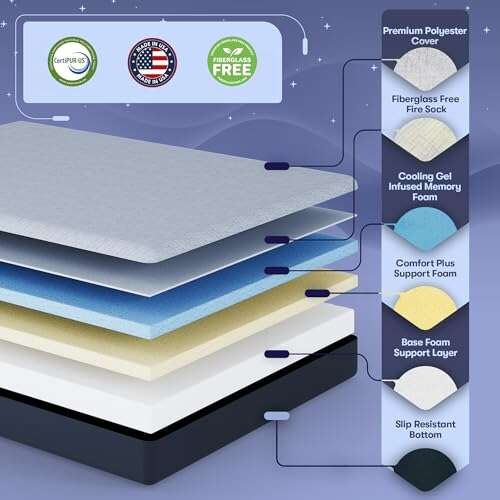
The Celestial Sleep 8-Inch Queen Mattress uses gel memory foam in a compact design made for simple setup. Its firm feel may appeal to back sleepers who dislike a deep, soft sink. The mattress is made in the USA and carries CertiPUR-US and OEKO-TEX certifications listed by the manufacturer. It is also advertised as fiberglass-free, which may give safety-minded shoppers extra peace of mind.
When I assess a firm foam mattress, I focus on spinal alignment, edge feel, heat release, and how quickly the surface responds. This model has a fairly simple build, so it may suit shoppers who want support without a tall, complicated mattress. The 8-inch height also makes fitted-sheet changes easy and may work well on a platform bed. Still, heavier sleepers or people who want a plush hotel feel may prefer a thicker mattress.
Pros:
- Firm feel can help limit excessive hip sink
- Gel memory foam may improve pressure comfort
- CertiPUR-US certification listed by the manufacturer
- OEKO-TEX certification listed by the manufacturer
- Advertised as fiberglass-free
- Made in the USA
- Compact 8-inch profile fits many bed frames
- Mattress-in-a-box setup is simple
Cons:
- May feel too firm for side sleepers
- Shorter profile offers less deep cushioning than a tall mattress
- Foam may retain some heat in warm rooms
My Recommendation
I recommend the Celestial Sleep mattress for back sleepers who prefer a firm, flat sleep surface and want a straightforward foam bed. It may be especially useful for people who feel that soft mattresses let their pelvis drop too far. Its certifications, fiberglass-free claim, and made-in-the-USA construction add useful buying points, but shoppers should still confirm the current label details and return terms before ordering.
For readers comparing the best mattress for back sleepers consumer reports often emphasizes the same core traits: steady support, good pressure control, reasonable durability, and safe materials. This mattress checks several of those boxes on paper. I would choose it for a lighter or average-weight back sleeper who wants firm support at a practical price. I would look for a thicker model if I were heavier, slept partly on my side, or wanted a softer comfort layer.
| Best for | Why |
|---|---|
| Back sleepers who like firm support | The firm foam surface may help keep the hips from sinking too deeply. |
| Shoppers who want a simple foam mattress | The 8-inch design is easy to handle and works with many common bed frames. |
| Safety-conscious buyers | The listing states CertiPUR-US, OEKO-TEX, and fiberglass-free features. |
What Makes a Mattress Good for Back Sleepers?
Back sleeping can feel natural, but it puts clear demands on a mattress. Your body needs support under the pelvis, lower back, shoulders, and heels. If the bed is too soft, your hips can sink below the rest of your body. If it is too hard, the mattress may leave gaps below your lower back or create pressure near your shoulder blades.
The best mattress for back sleepers consumer reports shoppers seek should keep the spine close to its natural shape. Think of your spine as a gentle bridge. The mattress should support the bridge without forcing it flat or allowing its center to sag. That balance matters more than a simple “firm” or “soft” label.
Firmness and support are not the same thing. Firmness describes how the top of the mattress feels when you first lie down. Support describes how well the deeper layers hold your body in a level position. A mattress can feel soft on top while still offering strong support underneath. It can also feel hard but fail to support your hips in the right place.
I usually look for a medium-firm to firm feel for most back sleepers. However, body weight, sleep position, and personal comfort can change that choice. A lighter person may experience a firm mattress as very hard. A heavier person may compress the same mattress and experience it as medium or soft.
How Consumer Reports-Style Mattress Testing Works
When shoppers search for the best mattress for back sleepers consumer reports information can help them compare more than marketing claims. Independent mattress testing commonly looks at support, durability, pressure relief, motion control, ease of use, and temperature. Those tests matter because a mattress can feel impressive for five minutes in a showroom but behave differently after months of use.
Support testing asks whether the mattress keeps a sleeper’s body in a healthy position. A good back-sleeping mattress should not create a deep dip under the hips. It should also avoid an excessive arch caused by a surface that is too hard. Testing may use body-shaped weights or measurement tools to compare different sleep positions.
Durability testing matters because foam and springs can change over time. Repeated rolling or compression can reveal early sagging. A mattress that loses support near the center may cause back discomfort even if it felt excellent on the first night. I always treat long-term support as more important than a dramatic first impression.
Pressure relief is another key measure. Back sleepers do not need the same shoulder cushioning as side sleepers, but they still need comfort around the hips and lower back. A mattress should spread body weight instead of creating sharp pressure points. Memory foam can perform well here, though too much foam may make movement harder.
Temperature testing looks at how quickly a mattress absorbs and releases body heat. Foam beds often feel warmer than innerspring beds because dense foam has fewer open spaces for air. Gel infusions may help some designs, but “cooling gel” does not guarantee a cold sleep surface. Room temperature, sheets, pajamas, and body heat all affect the result.
Firmness, Support, and Spinal Alignment
Many back sleepers assume that the firmest mattress must be the healthiest choice. That is not always true. A very hard surface can press into the hips and shoulders while leaving the lower back unsupported. The goal is not to sleep on a board. The goal is to keep your spine level and comfortable.
I suggest a simple test when trying a mattress. Lie on your back and relax for several minutes. Slide your hand under the small of your back. Your hand should pass under the curve, but you should not feel a large empty space. If your hand slides easily with no contact, the bed may be too firm. If you cannot move your hand at all and your hips feel low, it may be too soft.
Your shoulders and hips should settle slightly into the comfort layer. Your pelvis should not feel trapped in a deep bowl. You should also be able to turn without fighting the material. This test cannot replace a full trial period, but it gives you a useful first clue.
For many adults, medium-firm support is a sensible starting point. Research in sleep health has linked medium-firm surfaces with comfort and improved sleep quality for some people with back pain. Still, no mattress can diagnose or treat a medical condition. Persistent or severe back pain deserves advice from a qualified health professional.
The Celestial Sleep mattress takes a firmer approach. That may be helpful for back sleepers who prefer a stable surface. It may not suit people who need thick cushioning around the hips or who change to side sleeping during the night.
Why Mattress Height Matters
An 8-inch mattress can work well, but height affects the feel. Thicker mattresses often provide more room for comfort layers, transition foam, coils, or stronger edge support. A shorter mattress can feel firmer and may offer less cushioning for larger bodies.
The Celestial Sleep model has an 8-inch profile. That makes it easier to move than many tall hybrid mattresses. It may also suit a low-profile room or a bed frame that already raises the sleeper high off the floor. Shorter beds can be practical for children, guest rooms, and smaller bedrooms.
The trade-off is reduced depth. If you weigh more or need deep pressure relief, you may compress through the top layers faster. You may also notice more contact with the support core. I would pay close attention to the listed weight guidance, foundation requirements, and return policy before making a final decision.
Bed height also affects how easy it is to get in and out. A tall mattress on a tall frame may feel difficult for shorter adults. An 8-inch mattress on a low platform may sit too close to the floor for someone with limited mobility. Measure the full setup, not just the mattress.
Memory Foam and Back Pain Comfort
Memory foam can reduce pressure by spreading body weight over a larger area. That quality often helps people who feel pressure near the hips or shoulders. Foam also absorbs movement, which can be helpful when two people share a bed.
The downside is that memory foam can respond slowly. Some sleepers feel stuck when turning. A firm foam mattress may reduce that problem compared with a plush, deep foam bed. The Celestial Sleep model’s firm profile may offer easier movement than a soft mattress with several inches of slow foam.
Foam can also soften slightly in a warm room. It may feel firmer in a cold room and softer after body heat builds. Give a boxed mattress time to expand before judging it. Many compressed mattresses need several hours, and some benefit from a full day before the shape settles.
Off-gassing is another common question. New foam can have a noticeable smell when first opened. Good ventilation can help clear it. Certifications such as CertiPUR-US address certain chemical emissions and material standards, but shoppers should still follow the manufacturer’s setup instructions.
Cooling Features: What Really Helps?
A cooling mattress should manage heat, not promise a refrigerator-like surface. Breathable sheets, a cool room, and light sleepwear may help as much as a gel layer. Foam density also matters because dense foam can hold heat.
Gel memory foam may spread heat through the material. It does not always remove heat after the bed reaches body temperature. Open-cell foam, breathable covers, coil systems, and airflow around the bed can also affect cooling.
The Celestial Sleep mattress includes gel memory foam according to its product description. That is a useful feature for shoppers who like foam but worry about warmth. I would still pair it with cotton or bamboo sheets and avoid placing the mattress directly on a solid surface that blocks airflow.
If you sleep very hot, a hybrid mattress with coils may be a better match. Coils create air channels that foam-only mattresses do not have. The trade-off can include more motion transfer, more weight, and a higher price.
Materials and Certifications to Check
Material claims deserve careful reading. CertiPUR-US certification applies to qualifying polyurethane foam made without certain regulated substances and with limits on emissions. OEKO-TEX certification relates to tested textiles and harmful substance limits. These labels can offer useful information, but they do not prove that every sleeper will find the mattress comfortable.
The Celestial Sleep listing states that the mattress carries CertiPUR-US and OEKO-TEX certifications. It also describes the product as fiberglass-free. I like seeing those details because shoppers increasingly want clear information about foam, covers, and fire safety materials.
Still, the exact certificate scope matters. A certification may apply to foam, fabric, or a particular component rather than the entire mattress. Product labels and current manufacturer documents provide the best confirmation. Marketplace listings can change, so I recommend checking the latest details before purchase.
Never remove a mattress cover unless the manufacturer says it is removable. Some mattress covers contain fire barrier materials. Removing or altering the cover can create safety problems and may void the warranty.
Who Should Buy the Celestial Sleep Mattress?
This mattress makes the most sense for a back sleeper who prefers firm support. It may work for a lighter or average-weight adult who wants a low-profile foam mattress. It also suits shoppers who want a mattress-in-a-box and do not want to carry a heavy hybrid upstairs.
It can be a practical choice for a guest room. Guests often have different preferences, so no mattress can please everyone. A firm, simple surface offers stable support for many back sleepers, but side sleepers may find it less forgiving.
I would also consider it for a teenager who sleeps on their back and needs a basic mattress. In that case, confirm the correct size, foundation, and room ventilation. A growing sleeper may need a more adaptable surface if they change positions often.
I would be cautious if I were a heavier sleeper. An 8-inch mattress may not provide enough depth or edge strength for every body type. I would also be cautious if I had broad shoulders, hip sensitivity, or a strong need for plush comfort.
Who Should Skip This Mattress?
Side sleepers who need deep shoulder and hip cushioning may prefer a softer mattress. A firm foam bed can create pressure at the shoulder, especially for a lighter person whose body does not sink much into the surface. Combination sleepers may also want more bounce for easy movement.
People who sleep very hot may prefer a breathable hybrid. Gel foam can help, but it does not remove the basic heat behavior of foam. A coil core often gives hot sleepers more airflow.
Those who want a luxury feel may find the 8-inch design too basic. Taller mattresses usually add more layers, stronger edge systems, or richer upholstery. That extra material can improve comfort, but it also increases weight and cost.
Finally, anyone with ongoing back pain should not rely on a mattress alone. A new mattress may improve sleep comfort, but it cannot replace medical care, physical therapy, or an evaluation of posture and movement.
How to Set Up a Mattress in a Box
Before opening the box, move it into the room where you will use it. A compressed mattress becomes harder to carry after it expands. Place it on a suitable frame or foundation before removing the plastic.
Cut the outer plastic with care. Keep sharp tools away from the mattress fabric. Unroll the mattress, remove the inner wrapping, and allow it to expand as directed by the manufacturer.
Foam odors may appear at first. Open a window or use a fan if possible. Avoid sleeping on the mattress until it reaches the recommended shape and the product instructions say it is ready.
Check the corners and edges after expansion. If a section remains compressed, give it more time in a warm, ventilated room. Contact the seller if the mattress does not expand properly within the stated period.
Use a supportive base. Slats may need a specific distance between them. A weak or widely spaced frame can cause sagging and may affect the warranty. The mattress needs a stable foundation to perform as designed.
How to Make a Firm Mattress More Comfortable
A mattress topper can soften a firm surface. A thin topper may add comfort without changing the support too much. A thick, soft topper can allow your hips to sink and may reduce the benefit of a firm mattress for back sleeping.
Start with your pillow. A pillow that is too tall can push your head forward and strain your neck. A pillow that is too flat can let your head fall back. Your neck should stay in line with your spine.
Try placing a pillow under your knees. This can reduce the arch in your lower back and make a firm mattress feel more comfortable. A small pillow under the knees may also reduce tension after a long day.
Check the room temperature and bedding. Heavy blankets can make a foam mattress feel warmer. Breathable sheets may improve comfort without changing the bed itself.
Give your body time to adjust, but do not ignore clear pain. A new sleep surface can feel different for several nights. Sharp pain, numbness, or worsening symptoms should not be treated as a normal adjustment.
Mattress Trial, Warranty, and Return Tips
Before ordering, read the current Amazon listing and seller terms. Confirm the sleep trial, return window, warranty length, and return process. Policies can vary by seller and may change over time.
Check whether the mattress must remain on an approved base. Some warranties exclude damage from poor support. Keep the order confirmation, packaging details, and product tags until you are sure the mattress works for you.
A mattress warranty usually covers manufacturing defects. It may not cover normal softening, comfort preference, stains, or damage from misuse. Use a waterproof protector from the first night to reduce avoidable problems.
Do not assume a long warranty means the mattress will last for decades. The expected life depends on materials, body weight, use, room conditions, and foundation quality. A well-supported mattress with a protector usually has a better chance of aging well.
When comparing the best mattress for back sleepers consumer reports guidance is useful, but personal fit still matters. Independent test scores cannot predict every sleeper’s comfort. I use test data as a filter, then consider firmness, size, return rules, and body type.
Best Mattress Features for Different Back Sleepers
A lighter back sleeper often needs enough surface give to avoid pressure. A firm mattress may feel especially hard under a lighter body. A medium-firm foam or hybrid design can offer a better balance.
An average-weight back sleeper has the widest range of options. Medium-firm and firm models may both work. The final choice depends on whether the sleeper likes a floating feel or a little contour.
A heavier back sleeper needs durable support and enough depth. A thin foam mattress may compress more than expected. A strong hybrid with reinforced edges may offer more dependable support, though it can cost more.
A back sleeper with hip discomfort may want pressure relief without deep sink. A comfort layer over a stable support core can help. The Celestial Sleep mattress may work if the firm feel feels comfortable, but a thicker design could be better for sensitive hips.
A back sleeper who shares a bed may value motion isolation. Memory foam usually blocks movement well. A firm foam mattress may reduce partner disturbance, though it may not offer the bounce some couples prefer.
Common Mattress Buying Mistakes
The first mistake is choosing by firmness alone. Firmness is subjective. A “firm” label does not tell you how the mattress will feel for your weight, shape, or sleep position.
The second mistake is ignoring the foundation. Even a good mattress can sag on a weak frame. Confirm the slat spacing and center support before delivery.
The third mistake is buying the wrong size. Measure the bedroom, doorways, stairs, and bed frame. A queen mattress may fit the frame but fail to pass through a tight hallway.
The fourth mistake is trusting every cooling claim. Look for material details and independent testing when available. Gel alone does not guarantee a cool night.
The fifth mistake is overlooking the return policy. Comfort is personal. A clear trial and return process can reduce the risk of buying online.
The sixth mistake is removing the cover. Keep the original cover intact unless the manufacturer gives clear instructions. This protects the mattress and helps preserve warranty coverage.
Is an 8-Inch Mattress Enough for Back Sleepers?
An 8-inch mattress can be enough for some back sleepers. It may feel supportive for a lighter person who prefers a firm surface. It can also work well in a guest room or on a platform bed.
Height is only one part of the design. Foam density, layer arrangement, and support quality matter just as much. A well-built 8-inch mattress may outperform a poorly built 12-inch mattress.
That said, additional height can help larger sleepers and people who want more pressure relief. More space allows manufacturers to add transition foam, coils, or a thicker comfort layer. If you need a plush feel, an 8-inch firm model may not be the best fit.
I see the Celestial Sleep mattress as a practical, focused design. It targets firm support rather than a plush, layered feel. That makes it easier to recommend for the right back sleeper and easier to reject for the wrong one.
How Long Should You Test a New Mattress?
Try to test a mattress for more than one night. Your body may need time to adapt to a different firmness. A few nights can reveal whether the mattress causes pressure, heat, or stiffness.
Keep notes during the first two weeks. Record your sleep position, morning comfort, heat level, and ease of movement. Look for patterns instead of judging one unusual night.
If discomfort improves each night, the adjustment may be temporary. If pain increases or remains strong, the mattress may not match your body. Use the seller’s return rules rather than waiting until the deadline is near.
Also test the mattress with your normal pillow and sheets. Bedding can change the feel. A thick mattress pad may make a firm bed seem softer, while a tight fitted sheet can restrict the surface.
FAQs Of best mattress for back sleepers consumer reports
What is the best mattress for back sleepers?
The best mattress supports the hips and lower back without creating pressure. Most back sleepers do well with a medium-firm or firm feel, but body weight and comfort preference matter. The Celestial Sleep mattress is a good option for shoppers who prefer a firm, simple foam design.
Is a firm mattress better for lower back pain?
A firm mattress is not always better. Too much firmness can create pressure and leave gaps under the lower back. A supportive medium-firm surface may work better for many people, but ongoing pain should be discussed with a health professional.
Is memory foam good for back sleepers?
Yes, memory foam can cushion the hips and reduce motion transfer. It may also retain heat or make turning harder. A firm memory foam mattress can provide a stable feel while still offering some pressure relief.
How thick should a mattress be for a back sleeper?
Many back sleepers can use an 8- to 12-inch mattress. Heavier sleepers and people who want more cushioning may prefer a thicker model. Layer quality and support matter more than height alone.
Does a mattress need to be fiberglass-free?
A fiberglass-free claim may appeal to shoppers who want clear cover and fire-barrier information. Always check the current product label and manufacturer details. Do not remove the mattress cover unless the instructions clearly allow it.
Final Verdict: Which Should You Buy?
I would choose the Celestial Sleep mattress for back sleepers who want firm support, a simple 8-inch profile, and listed material certifications. It is the strongest fit in this review for a lighter or average-weight back sleeper.
The best mattress for back sleepers consumer reports shoppers can buy is still the one that keeps the spine level and feels comfortable all night. Check the current price, size, certifications, and return terms before ordering.

Appliance Review Expert
Lucas Ramirez is a trusted voice at HomeFixGrid.com, known for his clear, practical, and creatively written guides that simplify appliance care for everyday homeowners. With a strong focus on hands-on testing and real-world problem-solving, Lucas brings expert insight into appliance reviews and troubleshooting techniques. Her work empowers readers to confidently maintain, repair, and choose the right appliances for their homes.