Do You Need To Turn A Tempur-Pedic Mattress: The Truth
No. You usually do not need to flip or rotate a Tempur-Pedic mattress. TEMPUR material is built in layers, with the comfort side facing up. Turning the mattress over can place the support layers in the wrong position and may make the bed less comfortable.
For most Tempur-Pedic mattresses sold in the United States, the best care plan is simple: keep the correct side facing up, use a suitable foundation, protect the cover, and inspect the mattress if you notice unusual sagging or discomfort.

Should You Flip or Rotate a Tempur-Pedic Mattress?
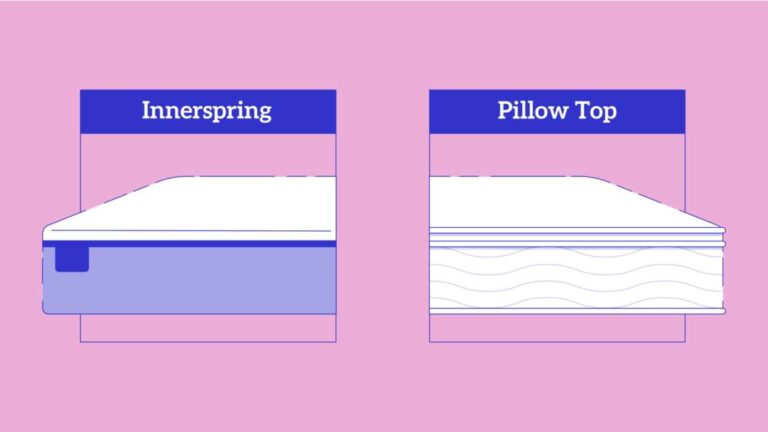
You should not flip a Tempur-Pedic mattress from top to bottom. It is a one-sided mattress, unlike some traditional two-sided innerspring beds.
The top layer is designed to contour to your body. The lower layers provide support and stability. If you turn the mattress over, you may sleep on the support base instead of the comfort layers.
Tempur-Pedic’s U.S. care guidance generally states that its mattresses do not need routine flipping or rotation. However, mattress models and care instructions can change. If your mattress came with a model-specific care guide, follow that guide first.
Flipping versus rotating
These terms mean different things:
- Flipping: Turning the mattress over so the bottom faces up.
- Rotating: Turning the mattress 180 degrees so the head end moves to the foot of the bed.
- Turning: A general term that may mean either flipping or rotating.
For a typical Tempur-Pedic mattress:
| Action | Should you do it? | Why |
|---|---|---|
| Flip it over | No | The mattress is designed for one sleeping side |
| Rotate it 180 degrees | Usually no | Routine rotation is not normally required |
| Turn it upside down | No | The base is not intended for sleeping |
| Move it for cleaning | Yes, when needed | Move it carefully and keep it supported |
The main point is that a Tempur-Pedic mattress does not need the same rotation routine as a conventional coil mattress.

Why Tempur-Pedic Mattresses Do Not Need Routine Turning
Tempur-Pedic mattresses use layered foam rather than a traditional coil system. The layers are arranged for a specific purpose, such as pressure relief, motion absorption, and support.
The comfort layers sit near the top. They respond to heat, pressure, and body weight. The support core sits below them and helps maintain the mattress shape.
This design is directional. Think of it like a cushioned shoe sole: turning it upside down would not give you the same support or comfort. The mattress may still look usable on the other side, but that side is not made for sleeping.
Routine turning also cannot prevent every type of wear. How long a mattress remains comfortable depends on factors such as:
- The mattress model and age
- The sleeper’s body weight and sleep position
- How often the bed is used
- The quality of the foundation
- Whether the mattress is exposed to heat, moisture, or damage
- Whether the cover and foam are properly supported
A mattress that feels uneven may have a foundation problem, normal material wear, or a damaged foam layer. Turning it over is not a reliable fix.

What Should You Do Instead of Turning the Mattress?
The best alternative to turning a Tempur-Pedic mattress is regular inspection and proper support. These steps help you find the real cause of a comfort problem.
1. Keep the correct side facing up
Look for the mattress label, cover design, or model instructions. The side intended for sleeping should face up.
Do not place the mattress on its side for long periods. Foam can bend or lose its shape when it is stored or supported incorrectly.
2. Check the foundation
A Tempur-Pedic mattress needs a firm, stable base. The base should support the mattress across its full surface and meet the requirements for your model and size.
Check for:
- Broken or bowed slats
- Large gaps between slats
- A sagging platform
- Loose center supports
- An unstable adjustable base
- A foundation that is too small or not approved
A weak base can make the mattress feel soft or uneven. It can also contribute to visible sagging.
The exact support requirements may differ by model and mattress size. Use the owner’s manual or Tempur-Pedic’s official foundation guidance rather than guessing.
3. Use a breathable mattress protector
A protector can help guard against sweat, spills, stains, and other damage. Choose one that fits the mattress height and does not add excessive heat or stiffness.
Avoid tightly compressing the mattress with an ill-fitting cover. A protector should remain smooth and secure without changing the shape of the bed.
4. Clean the cover correctly
Many Tempur-Pedic mattress covers are removable, but the cleaning instructions vary by model. Check the care label before removing or washing the cover.
Do not soak the foam core. Do not use harsh chemicals on the mattress. If liquid reaches the foam, remove bedding, blot the area, and allow it to dry fully in a well-ventilated space.
5. Check the bed frame after moving the mattress
Moving a mattress can loosen frame parts or shift the foundation. If the bed feels different after a move, inspect the frame before blaming the mattress.
Listen for new creaks. Check that the base is level. Make sure the mattress sits fully on the foundation.

When Should You Rotate a Tempur-Pedic Mattress?
Most owners do not need to rotate a Tempur-Pedic mattress on a schedule. A specific model guide may give different instructions, so check that document first.
You might consider asking Tempur-Pedic about rotation if:
- Your owner’s manual specifically recommends it
- A customer-care representative gives model-specific instructions
- The mattress has an unusual design
- You are dealing with a warranty inspection
- The mattress was stored or placed incorrectly
Do not rotate the mattress simply because it has developed a deep dip. First inspect the foundation and measure the surface correctly. Rotation may move the problem to another part of the bed without solving it.
If you do rotate the mattress with manufacturer approval, get help. Tempur-Pedic mattresses can be heavy and difficult to handle. Do not drag the mattress across the floor or bend it sharply.

What If Your Tempur-Pedic Mattress Has a Dip or Sag?
A visible dip does not automatically mean that turning the mattress will help. Start with the safest checks.
Check the foundation first
Remove the mattress and inspect the foundation. Look for broken slats, missing center support, or a weak platform.
Place a straight edge across the foundation if you need to check for bowing. The support surface should be firm and level.
Measure the mattress correctly
If you are checking a possible warranty issue, follow the manufacturer’s measurement method. A soft area caused by normal body contouring may not qualify as a structural defect.
Do not place heavy objects on the mattress to “test” the sag. This can damage the foam and produce an unreliable result.
Check for an environmental cause
Foam can feel different in cold or warm rooms. Excessive heat may also affect comfort. Keep the mattress away from direct heat sources, such as space heaters, heating pads, and electric blankets unless the manufacturer specifically allows them.
Moisture can cause odor or damage. Make sure the mattress is fully dry before covering it with sheets.
Contact Tempur-Pedic if the problem remains
Contact Tempur-Pedic customer service if the mattress has a persistent defect, major loss of support, or damage that may fall under the warranty.
Have these details ready:
- Mattress model
- Purchase date
- Proof of purchase
- Photos of the mattress and foundation
- Measurements, if requested
- A description of the problem
- Information about the bed frame or base
Warranty terms can vary by product, purchase source, and the condition of the foundation. Avoid repairing, cutting, or modifying the mattress before contacting the manufacturer.

How to Move a Tempur-Pedic Mattress Safely
You may need to move the mattress for cleaning, a bedroom change, or a relocation. Moving is different from routine turning.
Use at least two adults. Large mattresses can be heavy, flexible, and hard to control on stairs.
- Remove all bedding and the mattress protector.
- Check the cover and handles, if your model has them.
- Keep the mattress supported as evenly as possible.
- Do not pull hard on the cover or handles.
- Avoid folding or sharply bending the mattress.
- Keep it away from water, dirt, and sharp edges.
- Place it flat on the correct foundation as soon as possible.
Some foam mattresses can be bent briefly during transport, but the permitted method can vary by model. Follow the manufacturer’s moving instructions when available.
If the mattress has been stored on its side or folded, allow it to return to a flat position before judging its feel. Foam may need time to regain its normal shape, especially after exposure to cold temperatures.

Does Not Turning a Tempur-Pedic Mattress Cause Body Impressions?
It can develop a body impression over time, but not turning it is not, by itself, proof of improper care. Foam responds to repeated pressure. A slight change in the surface can be normal.
The useful question is whether the change affects support and whether it exceeds the manufacturer’s warranty standard.
Body impressions are more likely to seem noticeable when:
- One person sleeps in the same spot every night
- The mattress is new and the foam is still adjusting
- The sleeper uses a soft or weak foundation
- The room temperature changes
- Bedding makes the surface look uneven
- The sleeper is comparing one side with an unused area
If you share the bed, alternating sleep positions naturally spreads pressure. You do not need to force this by flipping the mattress.
If a new mattress feels uneven during the first weeks, give the material time to settle unless the problem is severe, worsening, or clearly defective. Keep the receipt and review the trial and warranty terms that came with the purchase.

Common Mistakes to Avoid
Avoid these common care mistakes:
Flipping the mattress
The bottom is not a second sleeping surface. Flipping can place the support base on top and may damage the mattress.
Rotating without checking the model
Most Tempur-Pedic mattresses do not need routine rotation. Moving a heavy mattress can cause injury or damage if there is no clear reason to do it.
Using an unsupported frame
A mattress can feel defective when the real issue is a weak or unsuitable foundation. Check the base before replacing the mattress.
Using an electric heating product without checking instructions
Heat can change the feel of memory foam and may affect the product warranty. Follow the mattress and accessory instructions.
Washing a cover without reading the label
Some covers can be machine washed, while others require different care. Washing the wrong way can shrink the cover or damage its materials.
Trying to fix a sag with a board
Adding a board beneath the mattress may change support and could conflict with the manufacturer’s requirements. Contact Tempur-Pedic before making structural changes.
Ignoring a safety concern
If the mattress smells strongly after unpacking, becomes wet, shows mold, or has damaged foam, stop using it until the issue is assessed. For serious damage or suspected mold, contact the manufacturer or a qualified remediation professional.

Does the Answer Change for an Adjustable Base?
The basic answer does not change: do not flip the mattress. A compatible Tempur-Pedic mattress can flex with an adjustable base, but the mattress must be used with a compatible base and installed correctly.
If the bed feels uneven on an adjustable base:
- Return the base to a flat position.
- Check that the mattress is centered.
- Check the retainer bar and other base parts.
- Confirm that the mattress model is compatible with the base.
- Test the base without bedding that could restrict movement.
- Contact the base manufacturer if the platform does not move evenly.
Do not force the mattress into a sharp fold. Do not use a base that pinches, bends, or leaves part of the mattress unsupported.

Quick Decision Table
Use this table to choose the next step:
| What you notice | Best next step |
|---|---|
| You wonder whether to flip the mattress | Keep the sleeping surface facing up |
| You wonder whether to rotate it | Check the model guide; routine rotation is usually unnecessary |
| The mattress feels uneven | Inspect the foundation and frame |
| There is a visible dip | Measure it using the warranty instructions |
| The mattress was recently moved | Reinstall it flat on a suitable base |
| The cover is dirty | Follow the care label |
| The foam is wet | Remove bedding, blot, ventilate, and contact the manufacturer if needed |
| The bed feels too warm | Review bedding, room temperature, and accessory instructions |
| The mattress is damaged | Photograph it and contact Tempur-Pedic before modifying it |

Frequently Asked Questions
How often should you turn a Tempur-Pedic mattress?
You generally should not turn it on a routine schedule. Tempur-Pedic mattresses are usually designed to remain in one direction, with the comfort side facing up.
Can you rotate a Tempur-Pedic mattress 180 degrees?
You usually do not need to rotate it. Check the care guide for your exact model before doing so. If you rotate it, use two or more adults and avoid dragging or sharply bending the mattress.
Will flipping the mattress make it last longer?
No. Flipping it can place the wrong layers on top and may reduce comfort. Proper foundation support, moisture protection, and careful cleaning are better ways to care for it.
Can you sleep on both sides of a Tempur-Pedic mattress?
No. The mattress is designed for one sleeping side. The underside supports the comfort layers and is not intended to function as a second sleep surface.
What should you do if your Tempur-Pedic mattress feels uncomfortable?
Check the foundation, room temperature, bedding, and mattress position first. If the problem continues, review the trial or warranty terms and contact Tempur-Pedic with your model and purchase details.

Conclusion: Leave the Mattress Right-Side Up
For most Tempur-Pedic mattresses in the United States, you do not need to turn, flip, or routinely rotate the mattress. Keep the correct side facing up and focus on the factors that matter more: a firm compatible foundation, a clean and dry cover, safe handling, and prompt attention to unusual sagging or damage.
Your next step is to find the model label or owner’s guide. If the mattress has a dip or feels uneven, inspect the foundation before moving the mattress or attempting a repair.

Appliance Review Expert
Lucas Ramirez is a trusted voice at HomeFixGrid.com, known for his clear, practical, and creatively written guides that simplify appliance care for everyday homeowners. With a strong focus on hands-on testing and real-world problem-solving, Lucas brings expert insight into appliance reviews and troubleshooting techniques. Her work empowers readers to confidently maintain, repair, and choose the right appliances for their homes.