How Do Fridges Make Ice: The Simple Science Explained
In U.S. homes, most refrigerators make ice with a small automatic ice maker inside the freezer. The ice maker opens a water valve, fills a mold, freezes the water, and then uses a motor to push the cubes into a storage bin.
The freezer does not create cold. It removes heat from the water until the water freezes. A temperature sensor then starts the harvest cycle, and the process repeats until the bin is full or the ice maker is turned off.

How a refrigerator makes ice
A refrigerator makes ice by moving heat out of the freezer. It uses the same basic cooling system that keeps food cold.


The main parts are:
- Compressor: Presses refrigerant gas into a high-pressure state.
- Condenser coils: Release heat from the refrigerant.
- Expansion device: Lowers the refrigerant’s pressure.
- Evaporator coil: Absorbs heat from inside the freezer.
- Ice maker: Adds water, freezes it, and removes the ice.
- Water inlet valve: Lets a measured amount of water enter the ice maker.
- Ice bin: Holds finished cubes.
Refrigerant flows through the sealed cooling system. In the evaporator coil, it absorbs heat from the freezer air. A fan often moves that cold air through the freezer and refrigerator sections.
When heat leaves the water, the water temperature falls. At about 32°F (0°C), fresh water begins to freeze under normal conditions. The ice maker waits until the cubes are solid enough to remove.
The cooling system and the ice maker work together, but they are separate systems. The cooling system lowers the temperature. The ice maker controls the water and cube-making steps.
Why the freezer makes ice faster than the refrigerator
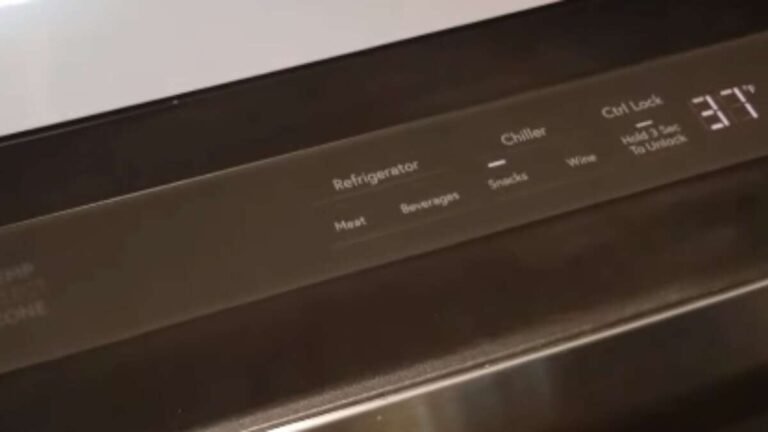
The freezer is colder than the fresh-food compartment. Most home freezers are set near 0°F (-18°C), while the refrigerator section is commonly kept near 37°F (3°C).
Water freezes much faster in the freezer because the temperature difference is greater. A full freezer can also hold a stable temperature better than an empty one, although blocked air vents or heavy frost can reduce performance.

The ice-making cycle, step by step
An automatic ice maker follows a simple series of steps. The exact parts vary by brand and model, but the process is similar in many U.S. refrigerators.
1. The ice maker checks its status
A thermostat or electronic sensor checks whether the ice mold is cold enough. The ice maker also checks whether it needs more ice.
Some models use a shutoff arm. Others use an optical sensor or electronic control. If the storage bin is full, the ice maker stops making ice.
2. The water valve opens
When the mold is ready, the ice maker sends power to the refrigerator’s water inlet valve.


The valve opens for a short time. Water flows through a tube and into the ice mold. The valve closes after the mold receives a measured amount of water.
A clogged filter, low water pressure, or frozen fill tube can stop this step.
3. The water freezes
The filled mold stays in the cold freezer. Heat moves from the water into the surrounding freezer air and then into the evaporator system.
The water usually freezes into several small cubes. The mold shape decides the cube size and form. Some ice makers produce crescent-shaped ice, while others make square, round, or nugget-style pieces.
The ice maker does not need to freeze the water instantly. It waits for the cubes to become firm enough for the next step.
4. A heater loosens the cubes
Many automatic ice makers use a small heater under the mold. The heater runs for a short time.
It does not melt the whole batch. It warms the mold surface just enough to loosen the ice. This allows the cubes to slide or lift out.
Some newer systems use a different mold design or mechanical method. The purpose remains the same: release the frozen cubes without adding much heat to the freezer.
5. The ejector pushes out the ice
A small motor turns a set of fingers or an ejector rake. The rake moves across the mold and pushes the cubes into the ice bin.
The motor also resets the ice maker for the next batch. If the shutoff arm rises or the sensor sees a full bin, the cycle pauses.
6. The cycle repeats
After the ice leaves the mold, the ice maker waits for the next harvest. The water valve then fills the mold again.
A typical home ice maker may take several hours to produce a full bin. Production changes with freezer temperature, room temperature, water flow, door openings, and how often the bin is used.

What parts control the ice maker?
Each part has a specific job. Knowing the parts helps you find the cause when the ice maker stops working.
| Part | Main job | Common problem |
|---|---|---|
| Water supply line | Carries water to the refrigerator | Kink, leak, or blocked line |
| Water filter | Removes some particles from the water | Old or clogged filter |
| Inlet valve | Controls water flow | Valve does not open or leaks |
| Fill tube | Directs water into the mold | Tube freezes shut |
| Ice mold | Holds the water as it freezes | Cracked or damaged mold |
| Thermostat or sensor | Detects ice temperature or bin level | Wrong reading or failed sensor |
| Heater | Loosens frozen cubes | Ice stays stuck in the mold |
| Motor and ejector | Pushes ice into the bin | Motor hums, jams, or fails |
| Shutoff arm or sensor | Stops production when the bin is full | Arm stuck in the off position |
Some refrigerator models combine several of these parts into one ice-maker assembly. That can make repair more costly than replacing one small part.


How long does it take a fridge to make ice?
Most home refrigerators need about 1 to 3 hours for one ice-making cycle, but the time varies by model and conditions. The first batch often takes longer because the freezer and mold must reach the correct temperature.
Use the owner’s manual for the best estimate. Manufacturer ratings may use test conditions that differ from normal home use.
Ice production may slow when:
- The freezer temperature is above the recommended setting.
- The freezer door opens often.
- The ice bin is nearly full.
- The water filter is clogged.
- The water supply pressure is low.
- The refrigerator was recently installed.
- The condenser coils or air vents are dirty or blocked.
- The room is very warm.
- The freezer has a heavy frost buildup.
A refrigerator cannot make ice well if it cannot stay cold. Check the freezer temperature before replacing ice-maker parts.
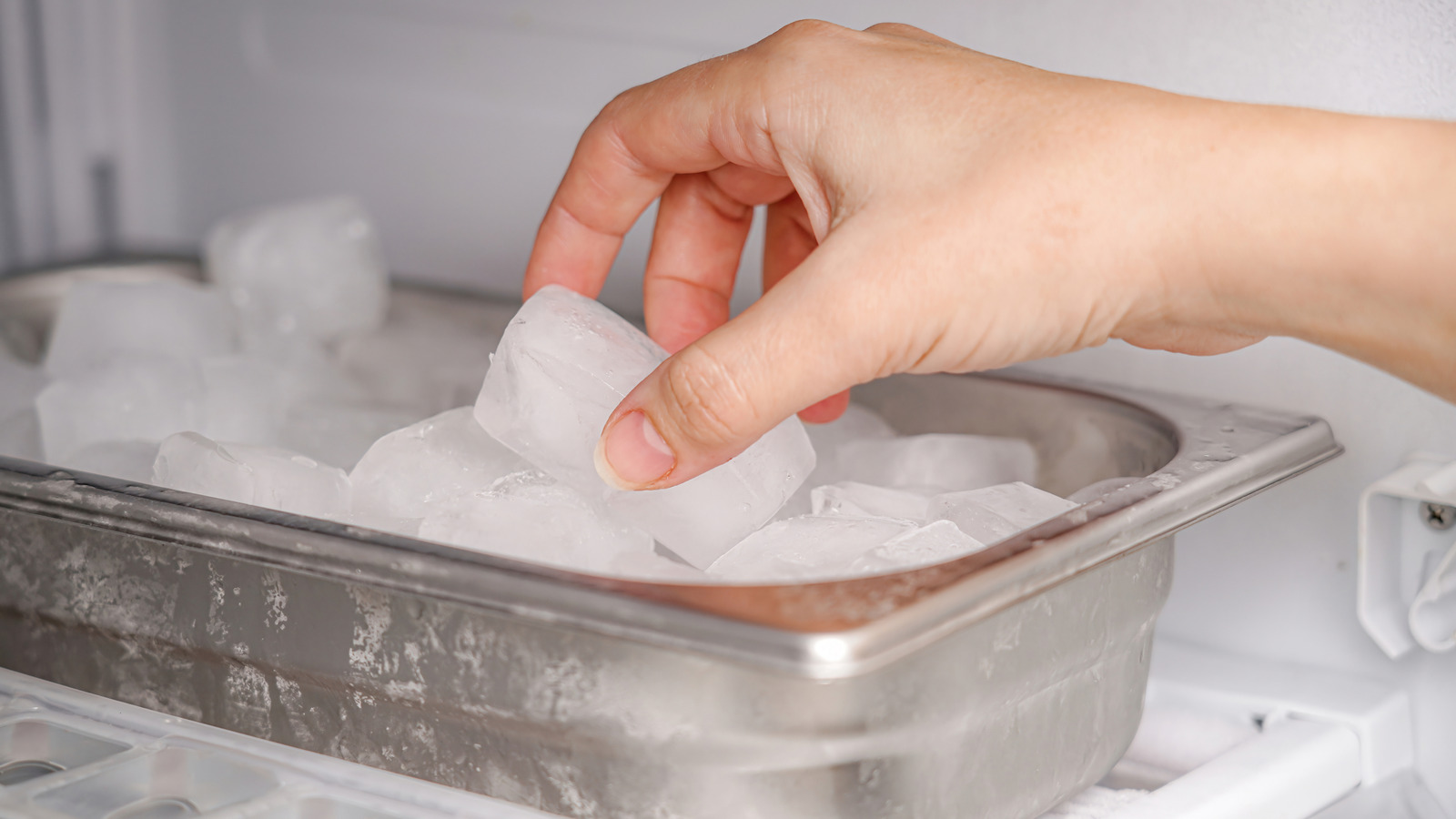
Why is my refrigerator not making ice?
Start with the simple and safe checks. Do not remove electrical covers or work on live wiring.
Check the ice-maker switch or arm
Make sure the ice maker is turned on. A raised shutoff arm often means “off” or “bin full,” though the exact position depends on the model.
If the arm is stuck, do not force it. Ice may be blocking the mechanism.
Check the freezer temperature
The freezer should be cold enough to freeze water. Many manufacturers recommend a setting near 0°F (-18°C), but use the setting listed in your owner’s manual.
A display may show the selected temperature rather than the true temperature. A separate freezer thermometer can help confirm the actual temperature.
Check the water supply
Look behind the refrigerator for a bent or crushed water line. Check that the home water shutoff valve is open.
If the refrigerator dispenses water slowly, the ice maker may also fill slowly or not at all. Low flow can point to a clogged filter, supply issue, or faulty valve.
Inspect the water filter
Replace the filter when the manufacturer recommends it or when water flow drops. Use the filter type approved for your refrigerator model.
After replacement, follow the manual’s instructions for flushing air and loose carbon particles from the line.
Look at the fill tube
A frozen fill tube can prevent water from reaching the mold. This often happens when water leaks slowly from the valve or when freezer temperatures are too low near the tube.


Do not use a knife, screwdriver, heat gun, or open flame to clear ice. Sharp tools can damage the tube. High heat can melt plastic, damage wiring, or create a fire risk.
Check the mold and ejector
If the mold contains frozen cubes but the bin stays empty, the ejector may be jammed. Do not pull hard on the cubes.
If the ice maker makes a clicking or humming sound but does not harvest, the motor, gears, or mold may have a problem.
Check for leaks
Turn off the water supply if you see a leak. Water near electrical parts can create a shock hazard and cause damage to the floor or cabinets.
For a leak inside the sealed cooling system, a failed compressor, or damaged wiring, arrange service with a qualified appliance technician.
Why does the ice taste bad or smell strange?
Ice can taste or smell odd when it absorbs odors from the freezer. Ice is porous, so it can pick up smells from uncovered food, spills, cardboard, or old ice.
Try these steps:
- Throw away old ice.
- Wash the ice bin with mild dish soap and warm water.
- Wipe spills from the freezer.
- Seal foods in containers or freezer bags.
- Replace the water filter if it is due.
- Make a fresh batch of ice.
Do not use ice from a refrigerator that has been exposed to floodwater or other unsafe water. The U.S. Food and Drug Administration advises using safe water and following food-safety practices when an appliance or water supply may be contaminated. See the FDA food safety guidance.
If the smell remains after cleaning and changing the filter, the water supply or internal tubing may need inspection.
Why are the ice cubes cloudy?
Cloudy ice is usually safe to use if the water itself is safe. It often contains tiny air bubbles or minerals.
Clear ice is not automatically cleaner. Ice freezes from the outside inward. As freezing continues, dissolved air and minerals can collect in the last part to freeze. That center can look cloudy.
Cloudy ice may also result from:
- Hard water
- Water with more dissolved minerals
- A slow or uneven freeze
- A dirty ice mold
- Old ice that has dried out or changed texture
If the ice has an unusual taste, color, or odor, discard it and check the water source and filter.

Does a refrigerator use more energy to make ice?
Yes, making ice adds some energy use because the refrigerator must remove heat from water. The ice maker also uses a small motor, heater, and control system.
The added use is usually modest compared with the refrigerator’s main cooling demand. The exact amount depends on the model, ice production, room temperature, freezer temperature, and how often the door opens.
You can reduce wasted energy by:
- Keeping the freezer near the manufacturer’s recommended setting.
- Keeping the door closed as much as practical.
- Replacing damaged door seals.
- Leaving air vents clear.
- Cleaning accessible condenser areas as directed by the manual.
- Turning off the ice maker when you will not use it for a long period.
Do not place hot food in the freezer. Hot food adds heat and makes the refrigerator work harder.
Automatic ice makers versus other types
Most household refrigerators use an automatic ice maker, but other designs exist.
Built-in freezer ice makers
These are common in top-freezer, bottom-freezer, and side-by-side refrigerators. They use a water line and an internal ice mold.
Door ice makers
Some models place the ice maker in the refrigerator door. This can free up freezer shelf space, but the design may have more parts and a longer path for ice to travel.
Ice and water dispensers
A dispenser uses a motor or auger to move ice from the bin through a chute. A separate water system delivers drinking water.
A dispenser problem does not always mean the ice maker itself has failed. The ice maker may produce ice normally while the auger, chute, switch, or dispenser motor has a problem.
Portable countertop ice makers
These units usually do not freeze ice in a home freezer. They circulate water over a cold evaporator surface. The ice forms around the surface and is released into a small bin.
Many portable units make ice quickly, but they often produce softer or more wet-looking ice. They also need regular draining and cleaning.

Common mistakes that stop ice production
Several simple mistakes can make a working ice maker appear broken.
- Leaving the shutoff arm up: The ice maker thinks the bin is full.
- Using the wrong filter: A poor fit can reduce flow or cause a leak.
- Ignoring the freezer temperature: Food may seem frozen even when the ice maker is too warm.
- Overfilling the bin: Ice can block the ejector or shutoff arm.
- Breaking a jam with a sharp tool: This can damage the mold or injure your hand.
- Turning the temperature too low: Very low temperatures can cause frost, poor airflow, or water-line problems.
- Expecting immediate ice after installation: The system needs time to cool and fill.
- Keeping old ice for months: Old cubes can absorb odors and lose quality.
- Using unsafe water: Ice does not make contaminated water safe.
If the refrigerator is under warranty, check the warranty terms before removing panels or replacing parts.
When should you call an appliance technician?
Call a qualified technician when:
- The refrigerator trips a circuit breaker.
- You see water near electrical parts.
- The compressor does not run.
- The freezer cannot reach a safe temperature.
- The sealed refrigerant system may be damaged.
- Wiring is burned, loose, or exposed.
- A replacement ice-maker assembly does not solve the problem.
- The refrigerator makes repeated clicking, grinding, or buzzing sounds.
- You smell burning plastic or electrical insulation.
Unplug the refrigerator only when it is safe to do so and when doing this will not spoil food or create another hazard. Do not puncture refrigerant lines or attempt sealed-system repairs without the proper training and equipment.

Frequently asked questions
Does the ice maker make the water cold?
No. The freezer’s cooling system makes the water cold by removing heat. The ice maker controls filling, freezing, and ejecting the cubes.
Can a refrigerator make ice without a water line?
An automatic ice maker normally needs a water supply. Some refrigerators allow manual filling, but many do not. Portable countertop ice makers often use a refillable tank instead of a plumbing connection.
Why does the ice maker keep making ice when the bin is full?
The shutoff arm or bin sensor may be blocked, stuck, dirty, or faulty. Ice can also pile up in a way that prevents the sensor from detecting a full bin.
Is it safe to eat ice that has been in the freezer for a long time?
It is usually safe if the water and freezer stayed clean and safe. However, old ice can absorb odors, dry out, or develop an unpleasant taste. When in doubt, discard it and clean the bin.
Why are my ice cubes smaller than usual?
Small cubes often point to low water flow. Check the filter, supply line, water valve, and fill tube. A partially frozen tube can also limit the amount of water entering the mold.
Key takeaways
- A refrigerator makes ice by removing heat from water.
- The ice maker fills a mold, freezes the water, loosens the cubes, and pushes them into a bin.
- The freezer cooling system and ice maker perform different jobs.
- Low freezer temperature, good water flow, and a working shutoff sensor are all needed.
- Start troubleshooting with the power setting, freezer temperature, water supply, filter, and fill tube.
- Avoid sharp tools and high heat when clearing frozen parts.
- Call a qualified technician for electrical, refrigerant, wiring, or serious leak problems.
For the next step, check your refrigerator’s owner’s manual for the recommended freezer temperature, filter type, ice-maker controls, and expected production time.

Appliance Review Expert
Lucas Ramirez is a trusted voice at HomeFixGrid.com, known for his clear, practical, and creatively written guides that simplify appliance care for everyday homeowners. With a strong focus on hands-on testing and real-world problem-solving, Lucas brings expert insight into appliance reviews and troubleshooting techniques. Her work empowers readers to confidently maintain, repair, and choose the right appliances for their homes.