What Number Should A Fridge Be Set At: Safe Setting
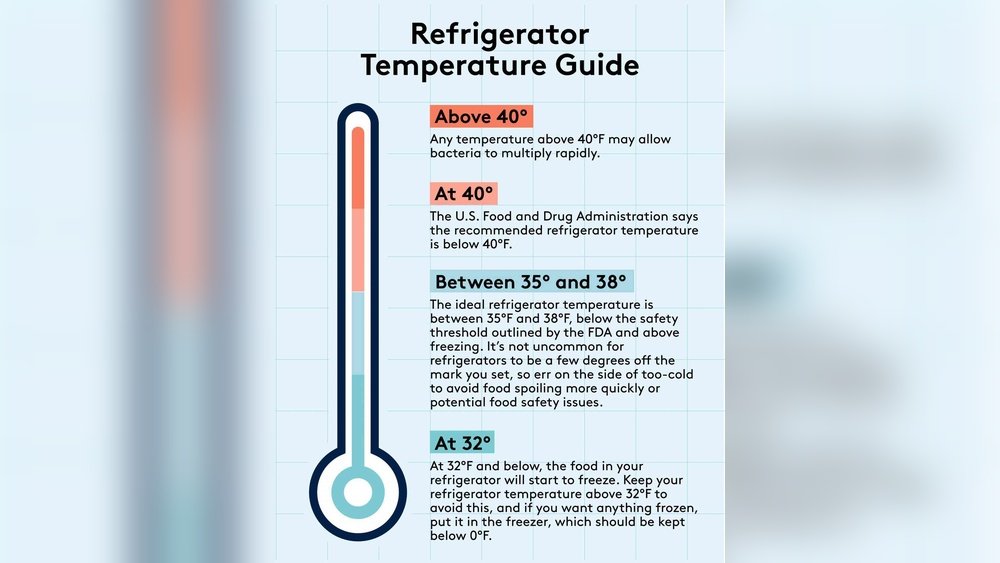
In the United States, set your refrigerator to 37°F (3°C). Keep the food section at 40°F (4°C) or colder, which is the food-safety limit used by the USDA and FDA.
If your refrigerator uses a numbered dial instead of a temperature display, the numbers do not mean exact degrees. Start near the middle setting, then use an appliance thermometer to check the real temperature. Adjust the dial until the fridge stays close to 37°F without freezing fresh food.
Your freezer should be set to 0°F (-18°C).


The Best Refrigerator Temperature in the United States
The best refrigerator setting is usually 37°F. This gives you a small safety buffer below 40°F while helping keep food fresh without freezing most items.
The USDA advises keeping a refrigerator at 40°F or below. Bacteria can grow quickly when food stays above this temperature. A fridge that is too warm may spoil milk, meat, eggs, and leftovers faster.
A refrigerator that is too cold creates a different problem. Food can freeze, especially near the back wall, air vents, or bottom shelf. Lettuce may wilt, drinks may burst, and delicate foods may develop a poor texture.
Use these target temperatures:
| Appliance area | Recommended setting | Safety limit |
|---|---|---|
| Refrigerator | 37°F (3°C) | 40°F (4°C) or colder |
| Freezer | 0°F (-18°C) | 0°F or colder for long-term storage |
| Refrigerator crisper drawer | Often slightly warmer or more humid | Check the food, not only the drawer setting |
The exact best setting can vary by model, room temperature, how full the appliance is, and how often the door opens. The actual food temperature matters more than the number on the control panel.
What Do the Numbers on a Fridge Dial Mean?
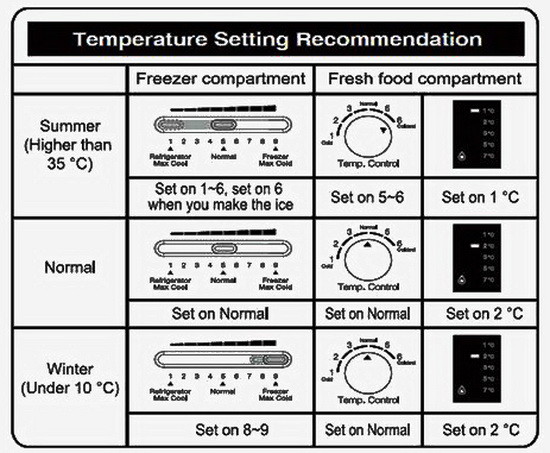
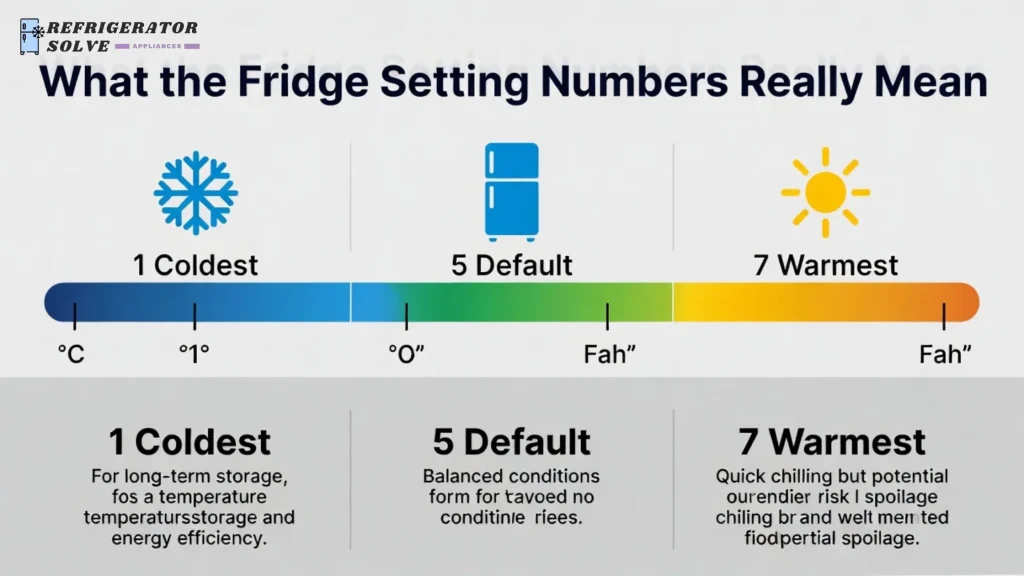
On many refrigerators, a higher dial number means more cooling, not a higher temperature. For example, setting 5 may be colder than setting 2. However, some models use a digital temperature scale, and a few older controls work differently.
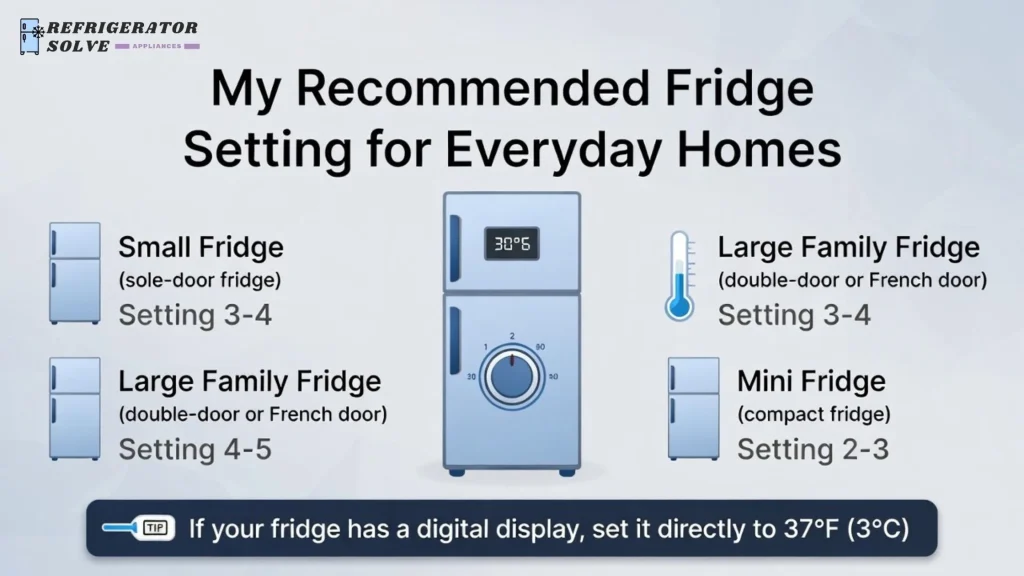
The dial number does not usually equal a temperature. A setting of “3” does not necessarily mean 3°F or 3°C. Each manufacturer uses its own scale.
To find the correct setting:
- Put an appliance thermometer in the center of the refrigerator.
- Leave it in place for at least 24 hours.
- Check the reading before opening the door.
- Adjust the dial by one step if needed.
- Wait another 24 hours before checking again.
Do not judge the temperature by how cold the air feels. Your hand cannot measure food safety accurately. A glass of water can also help smooth out quick changes, but a refrigerator thermometer is the better tool.
If your refrigerator has a digital display, set it to 37°F. If your model shows Celsius, use about 3°C.


Why the middle shelf is a useful test spot
The center of the refrigerator often gives a better average reading than the door or back wall. The door is usually warmer because it is exposed to room air each time it opens. The rear wall may be colder and can cause false readings.
Keep the thermometer near the middle shelf. This helps show the temperature where many foods are stored.
How to Set a Refrigerator Correctly
Follow this simple process when setting up a new refrigerator or correcting a warm one.
1. Start at 37°F
For a digital model, select 37°F. For a dial model, start near the middle setting. Check the owner’s manual if it gives a recommended starting point.
2. Let the refrigerator stabilize
A refrigerator needs time to reach a steady temperature. Wait about 24 hours after changing the setting. Avoid making several changes in a short period. That makes it hard to tell which setting worked.
3. Check the thermometer
If the reading is between about 35°F and 38°F, the refrigerator is in a useful range for most homes. If it rises above 40°F, lower the temperature setting and check again after 24 hours.
If food freezes, raise the temperature slightly. Also move food away from the rear wall and air vents.
4. Check different areas
Place the thermometer in more than one location if the refrigerator has uneven cooling. Check the center shelf, a crisper drawer, and an area near the door.
A small difference is normal. A large difference may point to blocked vents, poor airflow, a worn door gasket, or a cooling problem.
5. Keep the freezer at 0°F
The freezer should stay at 0°F or colder. Use a separate freezer thermometer because the freezer display may not show the temperature where food sits.
A freezer at 0°F keeps food safely frozen. It does not kill all bacteria, so safe handling and proper cooking still matter after food thaws.

Why Your Fridge Temperature May Change
A refrigerator does not stay at one exact temperature every minute. It cycles on and off to control cooling. Short changes are normal.
The temperature may rise when:


- You open the door often.
- You place hot food inside.
- The refrigerator is nearly empty.
- The room is very warm.
- The door does not seal well.
- The condenser coils are dirty, if your model has accessible coils.
- Food blocks an interior air vent.
- The appliance is packed too tightly.
- The refrigerator has just been installed or defrosted.
A full refrigerator often holds a steadier temperature than an empty one. Still, food should not block the air vents. Cold air must move through the cabinet for even cooling.
Hot food can go into the refrigerator. Do not leave perishable food on the counter to cool for a long time. Divide a large amount of food into shallow containers so it cools faster.
Room temperature matters
Most home refrigerators work best in a moderate indoor space. A refrigerator in a hot garage may struggle, especially during a U.S. summer. A cold garage can also affect some models and may cause poor operation.
Check the manual for the appliance’s approved ambient temperature range. This range can differ by model.

Where Should Food Go in the Refrigerator?
The best shelf depends on the food and the design of your refrigerator. The main goal is to limit cross-contamination and protect foods that need a stable temperature.
Use this general layout:
- Top shelves: Ready-to-eat foods, drinks, and leftovers.
- Middle shelves: Dairy products and packaged foods.
- Bottom shelf: Raw meat, poultry, and seafood in sealed containers.
- Crisper drawers: Produce, using the correct humidity setting when available.
- Door shelves: Condiments and foods that tolerate temperature changes.
Do not store raw chicken above prepared food. Place raw meat on the bottom shelf in a leak-proof container. This reduces the chance that liquid will drip onto food below.
The refrigerator door is usually the warmest area. Keep milk, eggs, and other highly perishable foods on an interior shelf rather than in the door.
Do not overfill the refrigerator. Crowding can stop cold air from circulating. Do not leave it nearly empty for long periods either, since a very empty cabinet may change temperature faster when the door opens.
What If the Fridge Is Too Warm?
If your refrigerator is above 40°F, check the simple causes first.
- Confirm the reading. Place a refrigerator thermometer in the center and wait 24 hours.
- Check the setting. Lower the temperature by one step or set the display closer to 37°F.
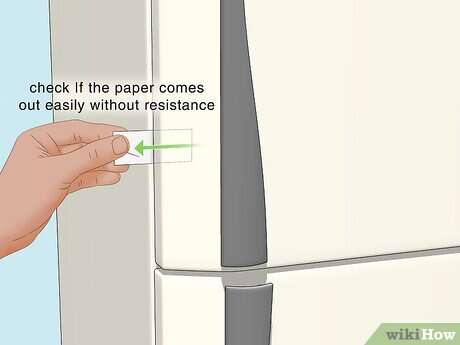
- Inspect the door seal. Close the door on a piece of paper. If the paper slides out easily, the gasket may not seal well.
- Look for blocked vents. Move food away from vents and the rear wall.
- Check the door. Make sure shelves or containers are not stopping it from closing.
- Clean accessible coils if the manual permits it. Unplug the appliance first and follow the manufacturer’s instructions.
- Listen for the compressor and fan. A refrigerator that never cools, makes unusual sounds, or runs constantly may need service.
Food safety comes first. Perishable food that has been above 40°F for two hours or more may be unsafe. In rooms above 90°F, the limit is one hour, according to USDA guidance. When in doubt, discard the food rather than taste-testing it.
A refrigerator thermometer can show the current temperature, but it cannot prove that food remained safe during a long warm period.


What If the Fridge Is Too Cold?
If fresh food freezes, raise the temperature setting slightly and wait 24 hours. Then check the thermometer again.
Also inspect these areas:
- Food touching the back wall.
- Items placed directly in front of an air vent.
- A crisper drawer set too close to a cold air outlet.
- A refrigerator that is too empty.
- A faulty thermostat or temperature sensor.
- A blocked or iced-over vent.
Some foods are more likely to freeze than others. Lettuce, berries, eggs, milk, and soft vegetables can show damage before the thermometer reveals a major problem.
Do not chip away heavy ice with a knife or sharp tool. You could damage the appliance or create an electrical hazard. Follow the defrost instructions in the manual, or contact a qualified appliance technician if ice returns quickly.
Common Refrigerator Temperature Mistakes
Several habits can make a refrigerator seem unreliable.
Trusting the dial number
A setting of 4 is not a universal temperature. Use a thermometer instead.
Setting the fridge as cold as possible
The coldest setting is not always the safest or best choice. It can freeze food, waste energy, and hide an airflow problem.
Measuring the door shelf
The door is exposed to warm air. Its temperature may not represent the center of the refrigerator.
Checking too soon
A temperature can change slowly after a setting adjustment. Wait about 24 hours before making another change.
Blocking air vents
Cold air needs a clear path. Keep food from touching vents or filling the cabinet wall to wall.
Putting raw meat on a higher shelf
Raw meat belongs below ready-to-eat foods. Use a sealed container to catch leaks.
Using smell as a safety test
Unsafe food may look and smell normal. Do not rely on smell alone to decide whether food is safe.
Leaving the door open
A propped-open door lets cold air escape and can raise the temperature of the entire cabinet.

Refrigerator Temperature FAQ
Is 40°F cold enough for a refrigerator?
Yes. 40°F is the maximum safe refrigerator temperature recommended by the USDA and FDA. A setting near 37°F gives you a small buffer if the temperature rises when the door opens.
Should a fridge be set to 1 or 5?
That depends on the refrigerator. On many dial controls, 5 is colder than 1, but the system is not universal. Check the manual and measure the interior with a refrigerator thermometer.
What temperature should a fridge be in Celsius?
Set a digital refrigerator to about 3°C, which equals 37°F. Keep it at 4°C or colder, which equals 40°F.
How long can food stay in a warm refrigerator?
Perishable food should not stay above 40°F for more than two hours. If the room is above 90°F, the limit is one hour. When a refrigerator fails, keep the door closed and move food to a working refrigerator or cooler with ice as soon as possible.
Why is my fridge cold but my food still spoils?
A cold spot does not prove that the whole refrigerator is safe. The door may be warm, the thermometer may be in the wrong place, or the door may open often. Check the center temperature and review how long the food has been stored.
Does a full fridge stay colder?
A reasonably full refrigerator can hold a steadier temperature because the food helps retain cold. However, overfilling blocks airflow and can create warm areas. Leave space around vents and allow air to move.
Final Recommendation
Set your refrigerator to 37°F and your freezer to 0°F. Keep the refrigerator at or below 40°F, and confirm the real temperature with an appliance thermometer.
If your fridge uses a numbered dial, do not guess based on the number alone. Adjust it slowly, wait 24 hours, and check the temperature in the center of the cabinet. Move food away from vents, store raw meat on the bottom shelf, and discard perishable food that has stayed too warm for too long.

Appliance Review Expert
Lucas Ramirez is a trusted voice at HomeFixGrid.com, known for his clear, practical, and creatively written guides that simplify appliance care for everyday homeowners. With a strong focus on hands-on testing and real-world problem-solving, Lucas brings expert insight into appliance reviews and troubleshooting techniques. Her work empowers readers to confidently maintain, repair, and choose the right appliances for their homes.