How To Choose The Right Mattress For Restless Sleepers: Tips
A medium-firm mattress with strong motion isolation often helps restless sleepers move less and sleep more soundly.
Learning how to choose the right mattress for restless sleepers means looking beyond softness and price. The best choice depends on sleep position, body weight, pressure relief, temperature control, and how well the bed limits motion. This guide brings those factors together so you can shop with confidence and avoid a mattress that feels great for one night but fails after a week.
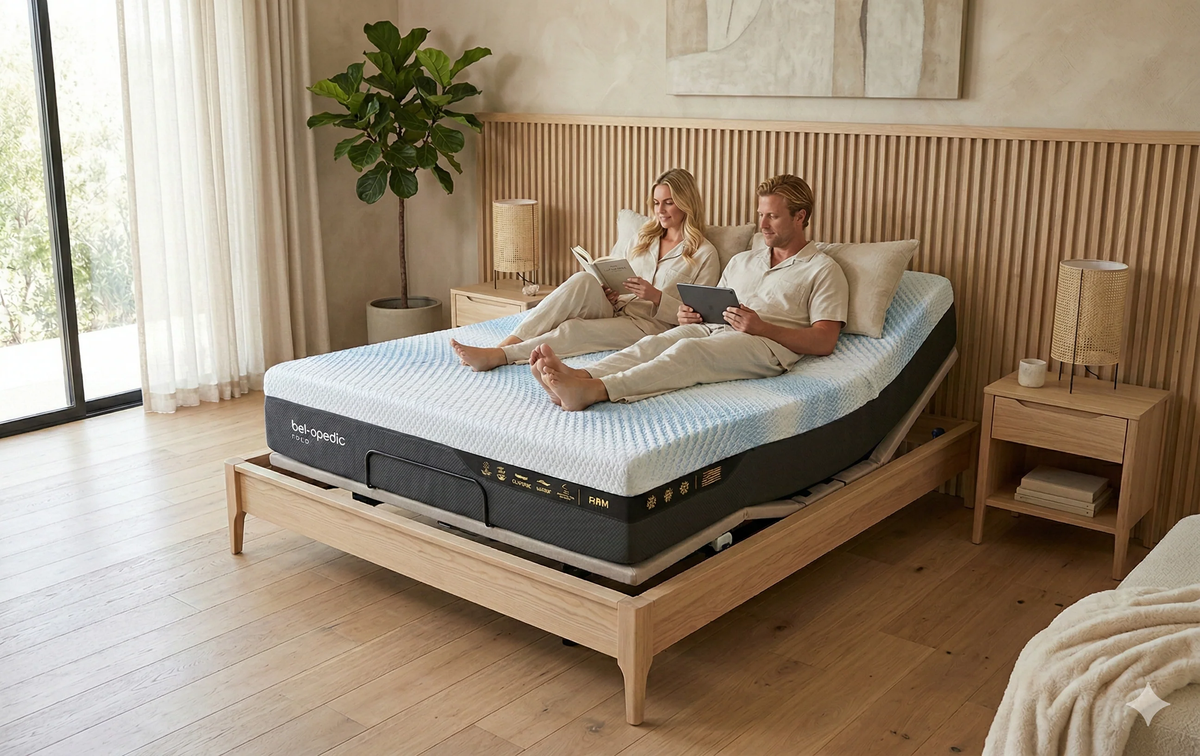
Why restless sleepers need a different mattress
Restless sleep can come from many causes. You may change positions because of back pain, heat, noise, an unsupportive mattress, or movement from a partner. Stress, caffeine, alcohol, medical conditions, and poor sleep habits can also play a role.
A mattress cannot fix every sleep problem. Still, the right mattress can reduce common physical triggers. It should support your spine, cushion pressure points, stay cool, and keep movement from spreading across the bed.
When learning how to choose the right mattress for restless sleepers, think of the mattress as a quiet base. It should respond to your body without pushing back too hard or letting you sink so deeply that movement becomes difficult.
A good mattress may help you:
• Change positions with less effort
• Keep your spine in a neutral line
• Reduce pressure on your hips and shoulders
• Feel less motion from a partner
• Stay cooler through the night
• Wake with fewer aches and less stiffness
Sleep research also shows that comfort is personal. A mattress that improves sleep for one person may cause pain or overheating for another. That is why your body, sleep habits, and trial experience matter more than a popular brand name.
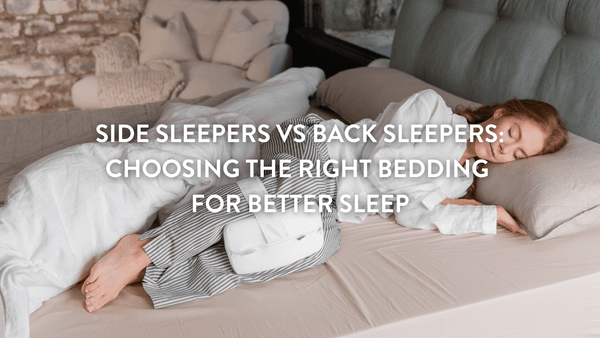
Start with your sleep position
Your usual sleep position is one of the best starting points when choosing a mattress. It affects how much pressure your body places on the bed and how much support your spine needs.
Side sleepers
Side sleepers need enough cushioning at the shoulders and hips. Without it, these areas can press into the mattress and cause numbness, soreness, or frequent position changes.
A medium-soft to medium mattress often works well for side sleepers. However, body weight matters. A heavier side sleeper may need a slightly firmer mattress to prevent the hips from sinking too far.
Look for:
• Gentle pressure relief around the shoulders and hips
• Good support under the waist
• A surface that allows easy movement
• Medium or medium-soft comfort, depending on body weight
Back sleepers
Back sleepers need balanced support. The mattress should let the lower back rest naturally without creating a large gap or forcing the hips upward.
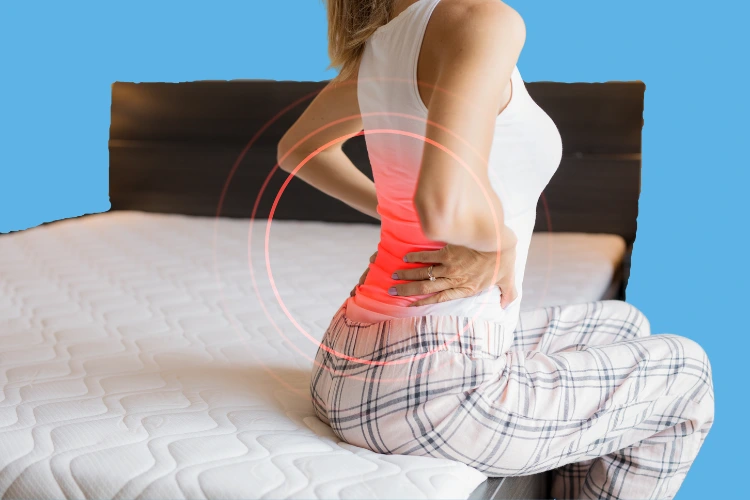
Medium-firm mattresses are often a useful starting point for back sleepers. They can offer support while still cushioning the shoulders and lower back. If you wake with lower back pain, your mattress may be too soft, too firm, or simply worn out.
Look for:
• Even support from head to hips
• Moderate cushioning under the lower back
• Stable edge support
• A surface that does not allow excessive hip sink
Stomach sleepers
Stomach sleeping can place strain on the neck and lower back. A mattress that is too soft may allow the middle of your body to sink, which can pull the spine out of alignment.
Stomach sleepers often need a firmer surface. It should still provide comfort, but it should not feel like your torso is sinking into a soft cloud.
Look for:
• Firm support through the midsection
• Minimal sinking around the hips
• Enough comfort to reduce rib and chest pressure
• A supportive pillow that does not lift the head too high
Combination sleepers
Combination sleepers move between two or more positions. They need a mattress that supports their main sleep position but also allows easy movement.
A responsive hybrid or latex mattress may suit combination sleepers. Very slow memory foam can feel comfortable, but deep contouring may make it harder to turn.
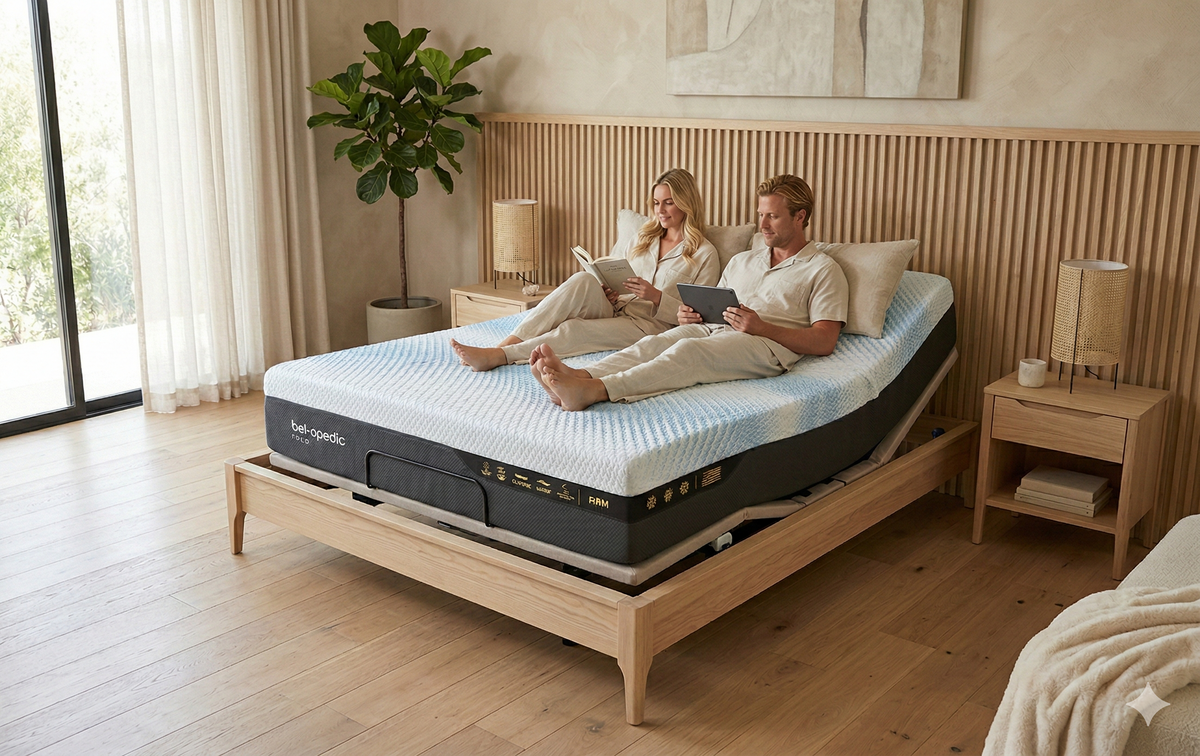
Choose the right mattress firmness
Firmness describes how soft or hard a mattress feels. It is not the same as support. A soft mattress can be supportive, and a firm mattress can still provide poor spinal support.
Most mattress brands use their own firmness scales. One company’s medium may feel like another company’s medium-firm. Treat firmness ratings as a guide, not a guarantee.
A general firmness guide looks like this:
• Soft: Best for lighter side sleepers who need deep pressure relief
• Medium-soft: Helpful for some side sleepers and lighter combination sleepers
• Medium: A balanced choice for many side and back sleepers
• Medium-firm: Often useful for back sleepers, combination sleepers, and couples
• Firm: May suit stomach sleepers or heavier bodies that need stronger surface support
Body weight changes how firmness feels. A person under 130 pounds may experience a mattress as firmer than advertised. Someone over 230 pounds may sink more deeply and experience the same mattress as softer.
When considering how to choose the right mattress for restless sleepers, avoid choosing the firmest model by default. Excess firmness can create pressure at the shoulders, hips, and knees. Too much softness can lead to poor alignment and difficult movement.
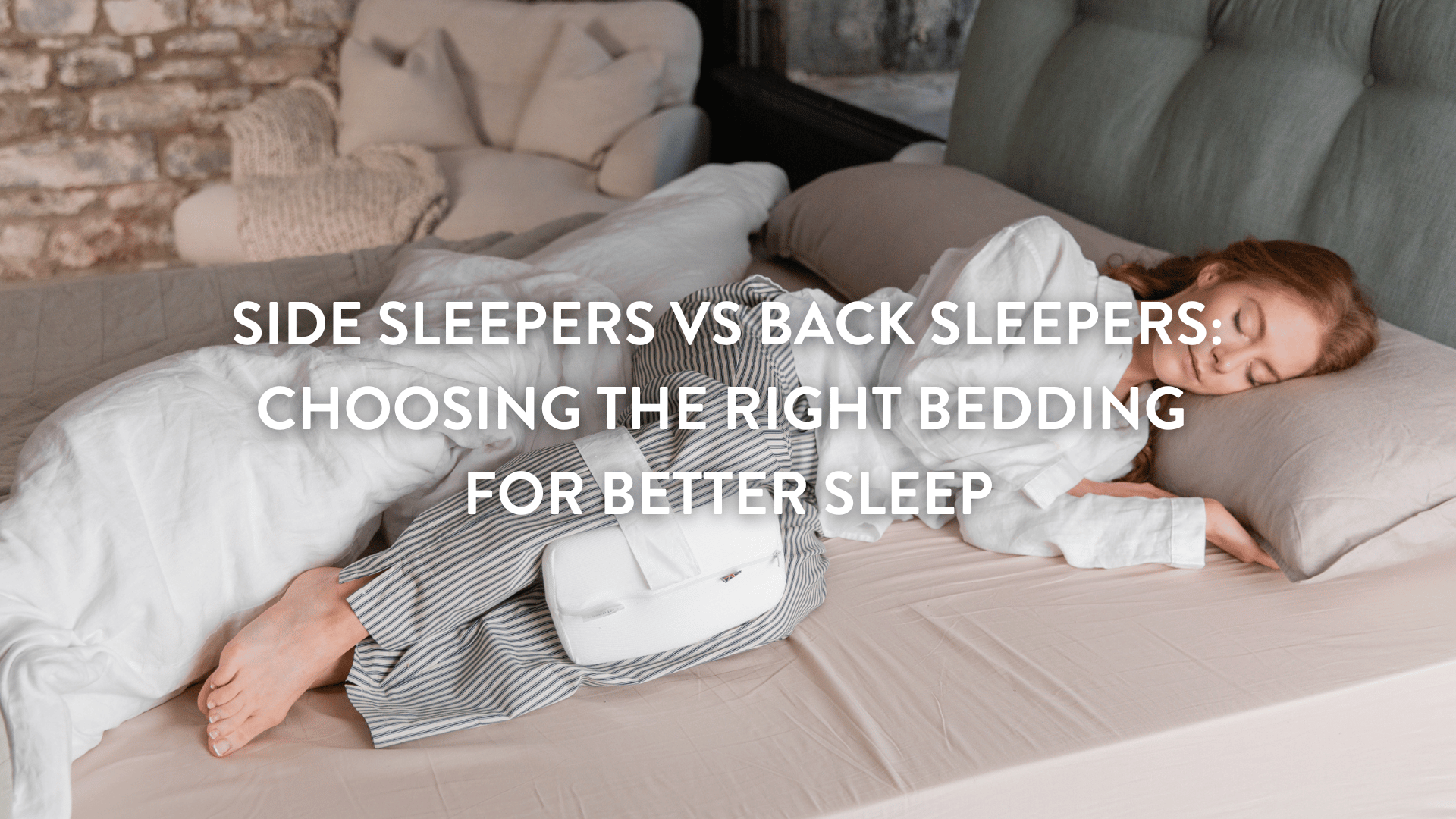
Prioritize motion isolation for couples
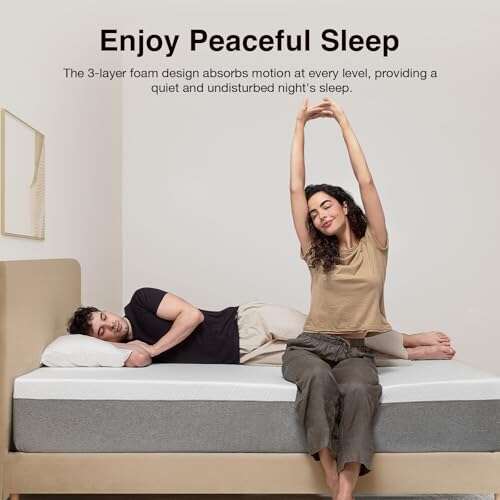
Partner movement is a major reason people sleep restlessly. If one person turns, gets out of bed, or shifts a leg, the other person may feel the motion.
Motion isolation measures how well a mattress absorbs movement. Memory foam usually performs well because it compresses around the moving body. All-foam mattresses often have excellent motion control, although some can feel slow to respond.
Latex and traditional innerspring mattresses tend to have more bounce. This can make movement easier, but it may also transfer more motion. Hybrid mattresses vary widely, so check independent reviews and test the bed together when possible.
For strong motion isolation, look for:
• Individually wrapped coils instead of connected coils
• Dense comfort foam
• A stable mattress base
• A size large enough to give each person personal space
• A generous sleep trial
A useful home test is simple. Ask your partner to lie down while you move, roll, or get out of bed. Then switch places. You should notice less movement near the other person’s body.
No mattress can remove motion completely. A split king setup, two twin XL mattresses, or separate beds may help couples with very different sleep patterns.
Match the mattress material to your needs
Each mattress material has strengths and limits. Understanding those differences makes how to choose the right mattress for restless sleepers much easier.
Memory foam
Memory foam contours closely to the body. It can reduce pressure and absorb partner movement well.
Its main drawback is a slow response. Deep memory foam may make turning harder, especially for people with limited mobility or larger bodies. Some models also retain heat.
Choose memory foam if you want:
• Strong motion isolation
• Close body contouring
• Pressure relief for shoulders and hips
• A quieter sleep surface
Latex
Latex feels buoyant and responsive. It usually makes changing positions easier than dense memory foam. It can also sleep cooler and last a long time when made well.
Latex may transfer slightly more motion than memory foam. It can also feel firmer and may cost more.
Choose latex if you want:
• Easy movement
• A cooler surface
• Natural or organic material options
• Durable support with a springy feel
Hybrid
Hybrid mattresses combine coils with foam or latex. They can offer strong support, better airflow, and a more responsive feel.
Motion isolation depends on the coil design and comfort layers. A hybrid with thick foam and individually wrapped coils will usually control motion better than a thin comfort layer over a highly bouncy coil system.
Choose a hybrid if you want:
• Support for larger bodies
• Easier movement
• Better airflow than many all-foam beds
• A mix of contouring and bounce
Innerspring
Traditional innerspring mattresses use a coil system with thinner comfort layers. They often feel cool and responsive, but they may transfer more motion.
An innerspring mattress may work for people who prefer a firm, buoyant feel. It may be less suitable for light sleepers who wake easily when a partner moves.

Look for pressure relief and spinal support
Pressure relief and support work together. You need enough cushioning to protect sensitive areas, but you also need enough structure to keep your spine aligned.
When lying on your side, your spine should stay fairly straight from your neck through your hips. When lying on your back, your lower back should feel supported without a large hollow space. When lying on your stomach, your hips should not sink far below your shoulders.
Check for these signs during a mattress trial:
• Your hips feel supported rather than trapped
• Your shoulders do not feel numb
• Your lower back does not ache after several hours
• You can turn without straining
• You do not feel pulled toward the center of the bed
• Your body feels relaxed when you wake
One mistake people often make is judging a mattress after only five minutes. Showroom comfort can be misleading. Your body may need several nights to adjust, especially if your old mattress was sagging or very soft.
Use a trial period whenever possible. Sleep on the mattress for at least two weeks before making a final judgment, unless it causes severe pain or discomfort.

Consider temperature and breathability
Overheating can cause sweating, tossing, and repeated waking. Your mattress is not the only factor. Bedding, pajamas, room temperature, humidity, and body temperature all matter.
Some memory foam mattresses hold more heat because the material hugs the body and restricts airflow. Cooling covers and gel infusions may help, but marketing claims vary. They do not turn every foam mattress into a naturally cool bed.
For better temperature control, consider:
• Latex or breathable hybrid construction
• Coils that allow air to move through the mattress
• A breathable cotton or wool cover
• Lightweight sheets made from cotton or linen
• A bedroom temperature near 65 degrees Fahrenheit, if comfortable
• A mattress protector that does not trap heat
A cool mattress can support better comfort, but it cannot overcome heavy blankets or a warm bedroom. Treat temperature control as part of a complete sleep setup.
Check edge support and mattress size
Weak edges can make a mattress feel smaller than it is. They may also make it harder to sit down, stand up, or use the full sleep surface.
Strong edge support is especially helpful for couples, larger sleepers, and people who move often. It lets you sleep near the edge without feeling as if you might roll off.
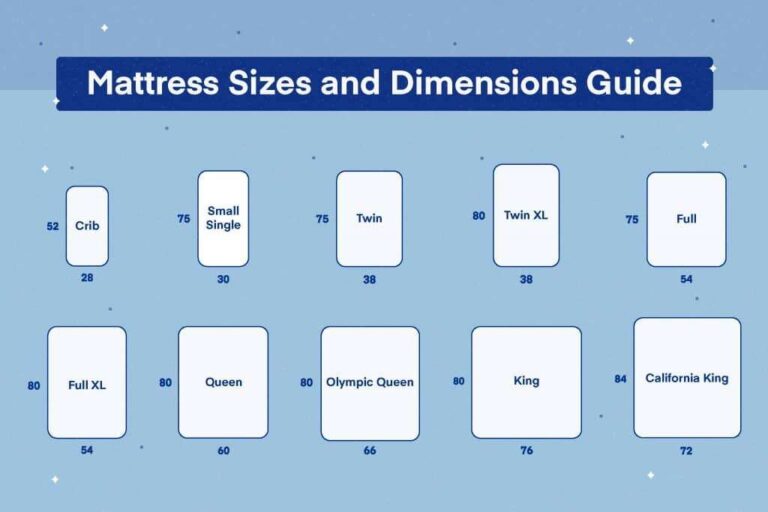
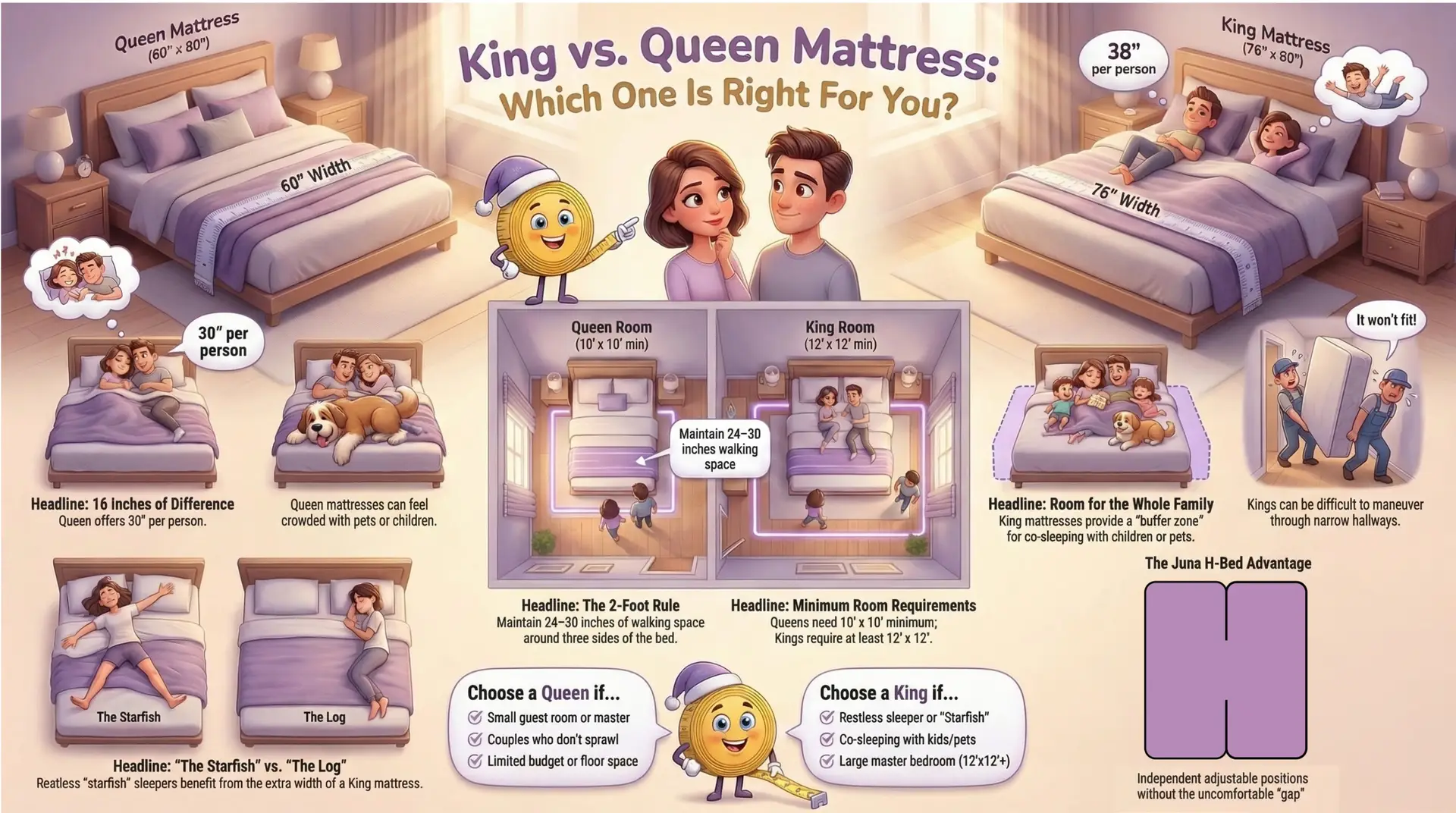
Mattress size also affects restlessness. A queen bed gives many couples enough room, but a king can reduce accidental contact and provide more space for position changes. Solo sleepers may benefit from a queen if they move a great deal.
Consider:
• Your height and body size
• Your partner’s movement
• Bedroom space
• The width of your bed frame
• The weight limit listed by the manufacturer
• Whether you need room for children or pets
A mattress that feels comfortable in a store may feel cramped at home if you cannot move freely.
Use the sleep trial and return policy wisely
A sleep trial is one of the most useful tools for finding the right mattress. It allows you to test the bed in your real bedroom, with your normal sheets and sleep routine.
Before buying, read the policy carefully. Check:
• The length of the trial
• Whether a break-in period is required
• Who pays return shipping
• Whether pickup is available
• Whether refunds include delivery charges
• Whether the mattress must remain clean and undamaged
• Whether exchanges are allowed instead of refunds
Many mattresses feel different during the first few nights. Your muscles may have adapted to the support pattern of your old bed. However, sharp pain, numbness, or major discomfort is not something you need to tolerate for weeks.
Keep a simple sleep log. Record your comfort, night waking, soreness, temperature, and ease of movement. This turns a vague feeling into useful evidence.
Avoid common mattress-buying mistakes
Even careful shoppers can choose the wrong mattress. These mistakes are common because mattress shopping often relies on emotion and short showroom tests.
Choosing based only on price
A high price does not guarantee better sleep. Construction, materials, support, and return terms matter more than the label.
Trusting firmness ratings blindly
Firmness is subjective. Your weight, sleep position, and body shape change how the mattress feels.
Ignoring your partner’s needs
Couples should test motion isolation and firmness together. A mattress that suits one person may disturb the other.
Buying without a trial
If a brand does not offer a reasonable return or exchange policy, your risk is higher. A mattress is a personal product, and comfort cannot be predicted perfectly from a product page.
Keeping an old foundation
A weak or unsuitable foundation can cause sagging and change the feel of a new mattress. Check the manufacturer’s base requirements before buying.
Expecting the mattress to solve every problem
Snoring, insomnia, restless legs, chronic pain, and sleep apnea may need professional care. Seek medical advice for loud snoring, breathing pauses, severe daytime sleepiness, or ongoing pain.
A practical mattress-shopping checklist
Use this checklist when comparing mattresses. It keeps the process clear and reduces impulse purchases.
- Identify your main sleep position.
- Note your body weight range and pressure points.
- Decide whether motion isolation is essential.
- Choose a preferred feel, such as hugging, floating, or springy.
- Check cooling features and material breathability.
- Look for strong edge support if you use the full bed.
- Confirm the mattress size and weight limit.
- Read the full trial, warranty, and return policy.
- Test the mattress in your normal sleep positions.
- Track comfort for at least two weeks when possible.
- Check your pillow and bed base before blaming the mattress.
- Return the mattress if it causes ongoing pain or poor sleep.
The most useful answer to how to choose the right mattress for restless sleepers is not one universal model. It is a careful match between your body, sleep habits, room conditions, and partner needs.
When to replace your mattress
A mattress may need replacement when it no longer supports your body. Age alone is not the only measure, but many mattresses show noticeable wear after about seven to ten years. The useful life can be shorter with low-quality materials, heavy use, or poor support.
Replace or assess your mattress if:
• You can see lasting dips or body impressions
• You wake with pain that improves after leaving bed
• You hear damaged or noisy springs
• You sleep better in hotels or guest rooms
• You feel your partner’s movement more than before
• The mattress edge collapses when you sit down
• Your allergies seem worse around the bed
Rotate the mattress only if the manufacturer allows it. Most modern mattresses are not designed to be flipped. A supportive base and a breathable, washable protector can help protect your investment.
Frequently asked questions
What is the best mattress firmness for restless sleepers?
Medium to medium-firm mattresses suit many restless sleepers because they balance support, comfort, and ease of movement. Your sleep position and body weight still matter, so use the firmness range as a starting point rather than a rule.
Is memory foam good for people who toss and turn?
Memory foam can reduce partner motion and relieve pressure, but some models feel slow when you move. Choose responsive memory foam or a hybrid if you want contouring without feeling stuck.
Are hybrid mattresses better for restless sleepers?
A hybrid can be a strong choice because it combines coil support, airflow, and responsive movement. Select one with individually wrapped coils and enough foam to limit motion transfer.
How long should I test a new mattress?
Try to test it for at least two weeks, and use the full trial period when needed. Stop sooner if you develop sharp pain, numbness, or severe discomfort.
Can a mattress stop restless sleep?
A mattress may reduce discomfort, overheating, and partner disturbance, but it cannot cure every cause of restless sleep. Ongoing insomnia, breathing problems, pain, or unusual leg movements deserve evaluation by a qualified health professional.
Should restless sleepers choose a soft or firm mattress?
Neither softness nor firmness is always best. Restless sleepers need enough cushioning for pressure relief and enough support to keep the spine aligned, which often points to a medium or medium-firm feel.
Conclusion
The best way to choose the right mattress for restless sleepers is to focus on fit, not hype. Start with your sleep position, then compare firmness, pressure relief, motion isolation, cooling, responsiveness, and trial terms.
A medium-firm hybrid may suit one restless sleeper, while a responsive latex or supportive memory foam mattress may suit another. Test your choice at home, track how your body feels, and do not ignore ongoing pain or serious sleep symptoms.
Use these steps to narrow your options, then explore trusted mattress reviews and trial policies before you buy. Share your sleep position and biggest mattress problem in the comments so other readers can learn from your experience.

Appliance Review Expert
Lucas Ramirez is a trusted voice at HomeFixGrid.com, known for his clear, practical, and creatively written guides that simplify appliance care for everyday homeowners. With a strong focus on hands-on testing and real-world problem-solving, Lucas brings expert insight into appliance reviews and troubleshooting techniques. Her work empowers readers to confidently maintain, repair, and choose the right appliances for their homes.