How To Test A Mattress Before Buying: Smart Buyer Tips
Test a mattress by lying on it in your usual sleep positions, checking support, pressure relief, motion control, and the return policy.
Learning how to test a mattress before buying can save you from poor sleep, back pain, and an expensive return process. A showroom visit gives you useful clues, but it cannot fully copy a full night of sleep. The best approach combines careful in-store testing with clear knowledge of mattress materials, body support, and the trial period.
Why Testing a Mattress Matters
A mattress can feel comfortable for five minutes and still feel wrong after several hours. Your body may sink too far, your hips may twist, or your shoulders may develop pressure spots during the night.
Testing a mattress helps you judge whether it supports your spine and suits your sleep style. It also helps you compare firmness, surface feel, temperature, motion transfer, and edge support.
When learning how to test a mattress before buying, remember that comfort is personal. A mattress that feels perfect for a side sleeper may feel too soft for a stomach sleeper. Weight, body shape, sleep position, and personal preference all affect the result.
The goal is not to find the “best” mattress for everyone. The goal is to find a mattress that keeps your body level, relaxed, and comfortable for many hours.

Know What You Need Before You Shop
Before testing a mattress, think about your current sleep problems. Your answers will help you focus on the features that matter most.
Ask yourself:
• Do you wake with shoulder, hip, or lower-back pain?
• Do you sleep mostly on your side, back, stomach, or a mix of positions?
• Do you sleep hot?
• Do you share the bed with a partner or pet?
• Do you move often during the night?
• Do you need strong edge support?
• Do you prefer a soft, balanced, or firm feel?
Your current mattress can also provide useful clues. If you feel trapped in a deep dip, you may prefer a more responsive mattress. If your shoulders and hips hurt, you may need more pressure relief. If your lower back feels strained, you may need better support rather than simply a firmer surface.
A simple sleep journal can help. For three to seven nights, record your sleep position, pain, overheating, and how rested you feel. This gives you a clear starting point before you visit a store.
Learn the Main Mattress Types
Understanding mattress construction makes it easier to compare similar products. Mattress labels can sound complex, but the main categories are simple.
Innerspring mattresses
Innerspring mattresses use a coil support system. They often feel bouncy and allow good airflow. Their comfort depends on the coil design and the foam or fiber layers above the coils.
Pocketed coils move more independently than connected coils. This may reduce motion transfer for couples.
Memory foam mattresses
Memory foam molds around the body. It can offer strong pressure relief and good motion isolation. However, some people find it warm or difficult to move on.
The amount of sink depends on the foam density, thickness, and room temperature. A mattress may feel softer after you lie on it for several minutes.
Latex mattresses
Latex usually feels springy, responsive, and slightly buoyant. It can make movement easy and often provides good airflow. Natural latex may cost more, and some shoppers dislike its rubber-like feel.
Hybrid mattresses
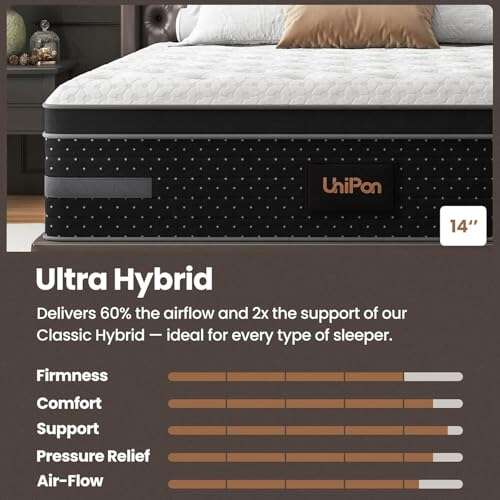
Hybrid mattresses combine coils with foam or latex. They aim to provide pressure relief, bounce, support, and airflow in one design. The feel can vary widely, so testing remains important.
Knowing these types is a key part of how to test a mattress before buying. You are not only testing the surface. You are testing the complete support system.

Wear Comfortable Clothes and Test Without Shoes
Wear loose clothing when you shop for a mattress. Jeans, belts, thick coats, and shoes can change how the mattress feels.
Remove your shoes before lying down. Shoes can change your posture and make the surface feel firmer than it really is.
If possible, bring the pillow you normally use. A pillow affects your neck angle and spinal alignment. A very thick showroom pillow may make a mattress seem more comfortable than it would be at home.
You should also avoid testing right after a large meal. Feeling tired or overly full can affect your judgment. Visit when you have enough time to focus rather than rushing between errands.
A mattress test should feel like a small sleep experiment, not a quick furniture check.
Lie in Your Normal Sleep Positions
The most important step in how to test a mattress before buying is to use your normal sleep positions.
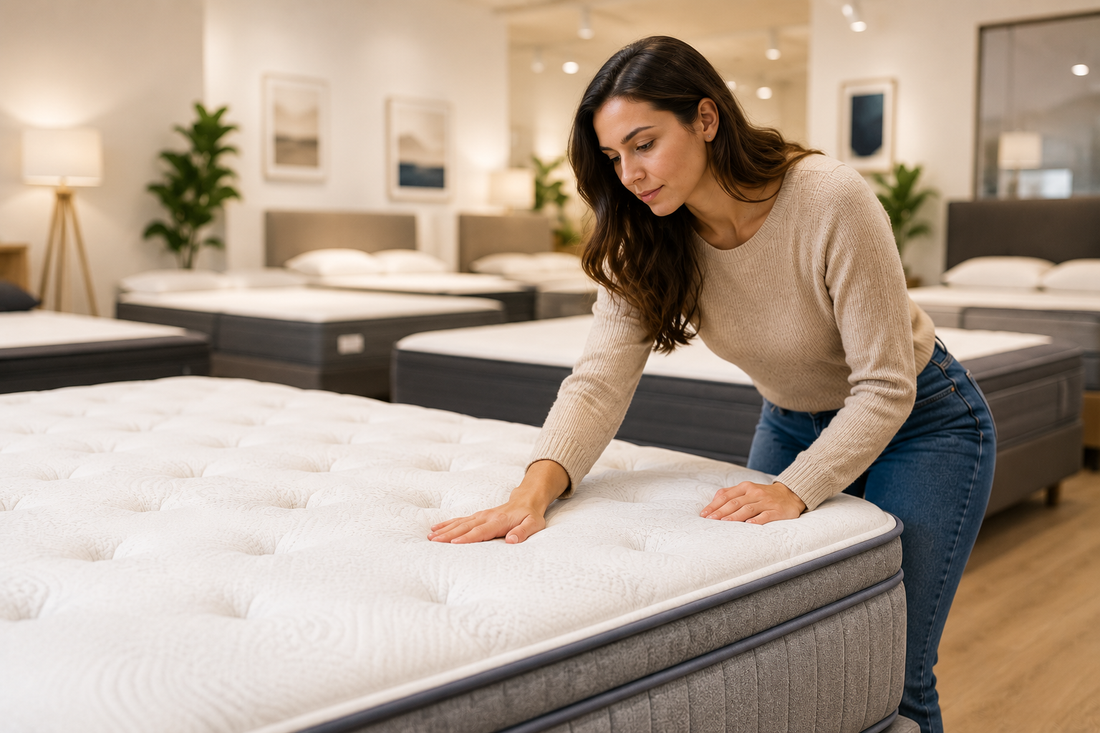
Lie down for at least 10 to 15 minutes in each position you use regularly. Five minutes may reveal the surface feel, but more time helps you notice pressure and support.
Side sleepers
Side sleepers need enough cushioning for the shoulders and hips. At the same time, the mattress must prevent the waist from sinking too deeply.
Check whether your spine stays fairly straight. Ask a shopping partner to take a side-view photo, or use a mirror if the store allows it. Your body should not form a sharp curve at the waist.
Signs a side-sleeping mattress may be too firm include:
• Numbness in the shoulder
• Pain around the hip
• A gap under the waist
• Frequent pressure when turning
Signs it may be too soft include:
• Your hips sink much lower than your shoulders
• Your lower back feels twisted
• You struggle to turn over
Back sleepers
Back sleepers usually need balanced support and moderate pressure relief. The mattress should support the curve of the lower back without forcing it upward.
Slide your hand under your lower back. A small space is normal, but a large gap may suggest poor support. If your hips sink too far, the mattress may be too soft. If your lower back feels pushed upward, it may be too firm.
Stomach sleepers
Stomach sleepers often need a firmer, more supportive surface. Excessive sinking around the hips can strain the lower back.
Check whether your midsection stays supported. If your hips dip into the mattress, try a firmer model or a different construction.
Combination sleepers
Combination sleepers should test every position they use. Pay close attention to how easy it is to change positions.
A responsive hybrid or latex mattress may feel easier to move on than deep memory foam. Still, personal preference matters more than the mattress label.

Check Spinal Alignment and Pressure Relief
Good spinal alignment means your head, shoulders, hips, and legs remain in a natural line. It does not mean your body must feel completely flat. Every body has natural curves.
Pressure relief refers to how well a mattress spreads your body weight. It matters most around the shoulders, hips, knees, and heels.
Use these simple checks:
• Lie on your side and ask someone to check your spine.
• Lie on your back and notice whether your lower back feels supported.
• Stay still for several minutes to detect pressure points.
• Turn over and notice whether the mattress releases your body easily.
• Pay attention to tingling, numbness, or sharp pressure.
A softer mattress is not always better for pain. Too much softness can allow the pelvis to sink and may create poor alignment. A firmer mattress is not always better either. The right choice balances cushioning and support.
Research on mattress firmness and back comfort suggests that medium-firm surfaces can help many adults, but there is no single firmness level that works for every body. Treat general guidance as a starting point, not a rule.
Test Motion Transfer With a Partner
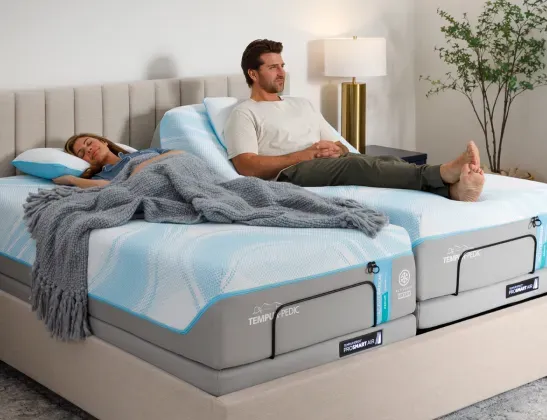
If you share your bed, motion transfer matters. It describes how much movement travels across the mattress.
Ask your partner to:
• Get in and out of bed
• Roll from side to side
• Change from lying down to sitting
• Gently bounce or shift position
You should feel little movement if the mattress isolates motion well. Memory foam often performs strongly in this area, while traditional spring systems may feel more active.
Motion isolation has a trade-off. A mattress that absorbs movement may feel less responsive. Some people enjoy a stable, settled feel, while others prefer bounce and easy movement.
If possible, test the bed together. Couples often make the mistake of testing a mattress one at a time and assuming the result will feel the same at home.

Test Edge Support
Edge support affects how stable the mattress feels near the sides. It also affects how easy it is to get in and out of bed.
Sit on the edge for a minute. Notice whether it collapses or holds you firmly. Then lie near the edge in your usual position.
Strong edge support can:
• Increase the usable sleep area
• Make sitting easier
• Help people with limited mobility
• Reduce the feeling of rolling off
• Improve the long-term shape of the mattress
Weak edges are not always a deal breaker. If you sleep alone and stay near the center, you may not care as much. For couples, larger people, or anyone who sits on the edge often, it deserves more attention.
Check Temperature and Breathability
A mattress can feel comfortable in a showroom but warm at home. Room temperature, bedding, body size, and the mattress cover all affect sleep temperature.
Lie on the mattress for several minutes. Notice whether heat builds under your back or hips. Ask what materials are used in the comfort layers and cover.
Features that may improve airflow include:
• Open coil systems
• Breathable covers
• Ventilated foam
• Latex
• Wool or other breathable fibers
Dense memory foam can retain more heat than coils or latex, although modern designs vary. Do not rely only on marketing terms such as “cooling.” Test the mattress and review the home trial terms.
Your sheets, mattress protector, comforter, and bedroom temperature can also change the final result. A cool mattress cannot fully overcome a heavy comforter in a warm room.
Evaluate Ease of Movement
Try rolling from your back to your side. Then move from lying down to sitting.
A mattress with strong contouring may feel comfortable but make movement harder. This can matter if you change positions often, have joint pain, or get up during the night.
Ask:
• Can I turn without pushing hard?
• Do I feel stuck in a dip?
• Does the surface respond quickly?
• Can I get out of bed without effort?
Responsive materials such as latex and many hybrids usually make movement easier. Memory foam may feel slower, especially when it has deep contouring.
There is no right answer for everyone. Some people prefer the secure, hugging feel of foam. Others sleep better on a surface that lets them move freely.
Compare Firmness the Right Way
Mattress firmness is often described on a scale from soft to firm, but these ratings are not fully standardized. A “medium” mattress from one brand may feel softer or firmer than a “medium” model from another.
Body weight also changes perceived firmness. A heavier person may sink farther into the same mattress than a lighter person. Body shape affects pressure in the same way.
When comparing firmness, focus on how your body feels rather than the label. Take notes after each test:
• Surface feel
• Shoulder and hip pressure
• Lower-back support
• Ease of movement
• Heat buildup
• Partner disturbance
If two mattresses feel similar, compare construction and policies. A mattress with a longer trial period and easier returns may be the safer choice.
Spend Enough Time on Each Mattress
One of the most common mistakes is testing a mattress for less than one minute. That is not enough time to notice heat, pressure, or support.
A useful showroom test takes about 15 minutes per serious option. Set a timer on your phone if needed. Lie in each normal sleep position and relax your muscles.
Do not sit upright and judge the mattress only from that position. Sitting tests edge support, but it does not show how your spine feels while sleeping.
Do not feel embarrassed about taking your time. You may use the mattress for 10 years or more, so a careful test is reasonable.
Ask the Right Questions in the Store
Sales staff can provide helpful information, but ask specific questions instead of relying on general claims.
Ask:
• What is the mattress made of?
• How thick are the comfort layers?
• What type of coils does it use?
• Does it have reinforced edges?
• What is the expected lifespan?
• Does the warranty cover sagging?
• What is the return or exchange fee?
• Is there a required break-in period?
• How long is the home trial?
• Who pays for return shipping?
You should also ask whether the display model has softened over time. A used showroom model may feel different from a new mattress delivered to your home.
A trustworthy retailer should explain limitations clearly. Be cautious when a salesperson makes medical claims or promises that a mattress will cure pain.
Understand the Home Trial and Return Policy
Testing a mattress before buying does not end at the store. The home trial is often the most important part of the purchase.
Many online mattress companies offer trial periods, but the terms vary. Read the policy before ordering.
Check:
• Trial length
• Required break-in period
• Return shipping costs
• Pickup arrangements
• Refund timing
• Exchange rules
• Restocking fees
• Stain or damage requirements
• Whether the original foundation is required
A mattress may feel different at home because your pillow, sheets, room temperature, and sleep habits are different. Give your body time to adjust unless the mattress causes serious pain or discomfort.
Keep the mattress clean and use a protector from the first night. Some companies may reject a return if the mattress has stains or damage.
The warranty and trial period are not the same. A trial lets you decide whether you like the mattress. A warranty usually covers specific defects, such as abnormal sagging, during a set period.
Test an Online Mattress Safely
Buying online can offer lower prices and longer trials, but you cannot lie on the mattress first. You can still reduce risk by studying the details.
Look for:
• Clear material specifications
• A realistic firmness description
• Transparent trial terms
• Free or reasonably priced returns
• Customer service contact details
• A written warranty
• Independent reviews that discuss comfort and durability
Read reviews from people with a similar sleep position and body type. One person’s “too firm” may be another person’s “perfectly supportive.”
Be careful with review scores alone. A high rating does not prove that a mattress suits you. Look for repeated comments about pressure relief, heat, edge support, odor, and long-term sagging.
Consider Mattress Odor and Off-Gassing
Some foam mattresses have a temporary chemical smell after unpacking. This is called off-gassing. It usually fades with ventilation, but sensitivity varies.
Ask about the materials and certifications. Certifications can help confirm that a product has met specific emissions or material standards, but they do not guarantee comfort or durability.
If you notice a strong odor:
• Place the mattress in a well-ventilated room
• Remove the packaging as soon as possible
• Use fans to increase airflow
• Avoid covering it with heavy bedding right away
• Follow the manufacturer’s setup instructions
People with asthma, allergies, or chemical sensitivity may want to ask detailed questions before purchase. If the odor remains strong or causes symptoms, contact the retailer.

Use a Simple Mattress Testing Checklist
A written checklist prevents excitement from taking over. Bring it to the store or keep it on your phone.
Comfort and support
• Does my spine feel naturally aligned?
• Do my shoulders and hips feel cushioned?
• Does my lower back feel supported?
• Can I relax without shifting often?
Movement and stability
• Can I turn easily?
• Do I feel stuck?
• Does the edge support my weight?
• Does my partner’s movement disturb me?
Temperature and materials
• Does the surface feel warm?
• Does the mattress have a strong odor?
• What are the main materials?
• Does the cover feel breathable?
Value and protection
• What is the full price?
• Are delivery and setup included?
• How long is the trial?
• What does the warranty cover?
• What happens if I return it?
This checklist turns how to test a mattress before buying into a clear process. It also makes it easier to compare mattresses without depending on memory.
Common Mistakes to Avoid
Shoppers often focus on price or first impressions. These mistakes can lead to an uncomfortable purchase.
Avoid these errors:
• Testing only one mattress
• Lying down for less than a minute
• Using a thick showroom pillow
• Testing only on your back
• Ignoring your partner’s needs
• Assuming firmer means more supportive
• Trusting the firmness label without testing
• Forgetting to ask about return costs
• Skipping the warranty details
• Buying during pressure from a salesperson
One lesson I often emphasize is to avoid choosing a mattress because it feels impressive at first touch. A deep, soft surface can feel luxurious for a few minutes. Later, it may make movement difficult or leave your hips unsupported.
Another useful lesson is to test the exact model and firmness you plan to buy. A small change in material thickness can create a major change in feel.
How to Test a Mattress Before Buying for Back Pain
If you have back pain, focus on comfort and alignment rather than claims about curing the problem. A mattress may support better sleep, but it cannot diagnose or treat a medical condition.
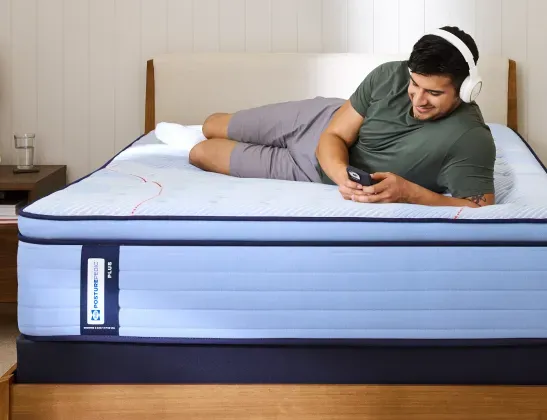
Lie on your back and notice whether your lower back feels gently supported. Then lie on your side and check whether your waist and hips remain comfortable.
Avoid mattresses that cause sharp pain, numbness, or strong pressure during the test. If you have ongoing or severe back pain, consult a qualified health professional before changing your sleep setup.
A medium-firm mattress may help some people with nonspecific lower-back discomfort, but individual results differ. Your sleep position, body shape, and existing health concerns all matter.
How to Test a Mattress Before Buying as a Couple
Couples should test the mattress at the same time. A bed may feel comfortable for one person but create too much motion or heat for the other.
Discuss your needs before visiting the store. One partner may want a firm, responsive surface, while the other may need soft pressure relief.
Test:
• Motion transfer
• Sleeping space
• Edge support
• Temperature
• Firmness
• Ease of movement
If your preferences are very different, consider a split king, dual-firmness model, or separate mattresses with the same height. The best solution is often the one that lets both people sleep well, not the one with the most impressive label.
When You Should Reject a Mattress
Some warning signs are clear. Move on if the mattress causes discomfort during a proper test.
Reject a mattress if:
• Your shoulders or hips feel numb
• Your lower back feels strained
• Your hips sink much lower than your chest
• You cannot turn without effort
• The edge feels unsafe
• You feel hot within a few minutes
• Your partner’s movement wakes you during testing
• The return policy is unclear
Do not buy a mattress because a salesperson says you will adjust. Minor changes in feel can be normal, but persistent pain or poor support should not be ignored.
Trust your body, but also use evidence. Your first impression matters, yet the written policy protects you if the first impression changes after several nights.
Frequently Asked Questions About How to Test a Mattress Before Buying
How long should you test a mattress in a store?
Try to spend at least 10 to 15 minutes on each serious option. Lie in every sleep position you use and pay attention to pressure, alignment, heat, and movement.
How can I tell if a mattress supports my spine?
Lie on your side and check whether your head, shoulders, hips, and legs form a natural line. On your back, your lower back should feel supported without your hips sinking too far.
Should a mattress feel firm or soft?
The right firmness depends on your body, sleep position, and comfort needs. Side sleepers often prefer more cushioning, while stomach sleepers may need stronger support.
What should couples test before buying a mattress?
Couples should test motion transfer, edge support, sleeping space, temperature, and firmness. Both partners should lie on the mattress together instead of testing it separately.
Is a showroom test enough to choose a mattress?
A showroom test is useful, but it cannot fully copy several nights at home. Always review the home trial, return policy, warranty, and any required break-in period.
How do I test a mattress for pressure relief?
Lie still in your normal sleep position for several minutes. Watch for pressure around your shoulders, hips, knees, heels, or lower back, along with tingling or numbness.
Conclusion
Knowing how to test a mattress before buying helps you look beyond price, appearance, and showroom sales talk. Test your usual sleep positions, check spinal alignment, assess pressure relief, try the edges, compare motion transfer, and review the home trial in detail.
The best mattress is the one that supports your body without creating pressure, heat, or movement problems. Take your time, use a checklist, and choose a retailer with clear return terms. Apply these steps during your next mattress search, and share your experience or explore more sleep guides before making your final choice.

Appliance Review Expert
Lucas Ramirez is a trusted voice at HomeFixGrid.com, known for his clear, practical, and creatively written guides that simplify appliance care for everyday homeowners. With a strong focus on hands-on testing and real-world problem-solving, Lucas brings expert insight into appliance reviews and troubleshooting techniques. Her work empowers readers to confidently maintain, repair, and choose the right appliances for their homes.