What’s The Best Microwave Brand: Buying Guide
For most U.S. households, Panasonic is the best overall microwave brand because its countertop models often offer useful inverter cooking, clear controls, and a wide range of sizes and power levels. However, the best brand depends on the type of microwave you need.
- Best overall countertop brand: Panasonic
- Best premium countertop brand: Breville
- Best value brand: Toshiba
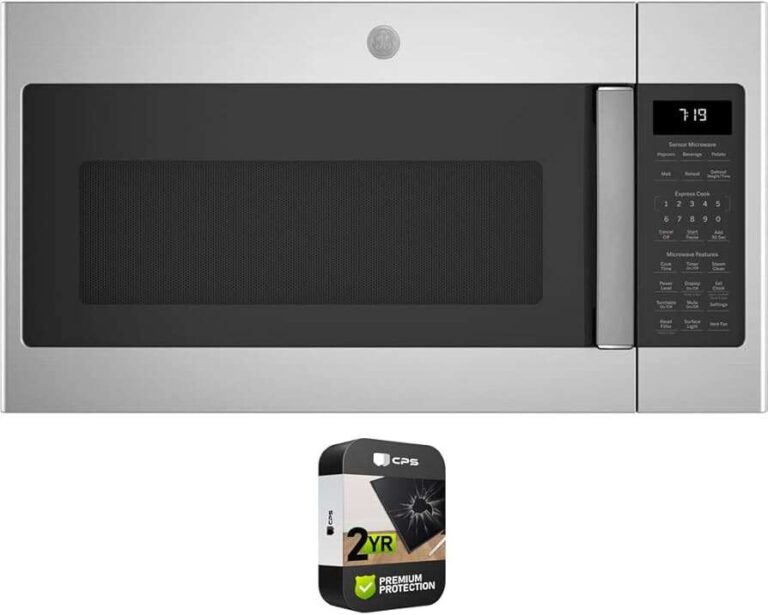
- Best over-the-range brand: GE or GE Profile
- Best microwave drawer brand: Sharp
- Best compact option: Panasonic, Toshiba, or a well-reviewed GE model
No single brand wins every category. A countertop microwave, an over-the-range microwave, and a microwave drawer solve different problems. The right choice also depends on size, wattage, ventilation, installation, controls, warranty, and repair access in your area.

Why Panasonic is the best overall microwave brand
Panasonic is the strongest all-around choice for many U.S. buyers because it offers a useful mix of cooking features, simple controls, and broad availability. Its inverter technology is a major reason it stands out.
A standard microwave often changes power by turning the magnetron on and off. An inverter microwave can deliver a steadier stream of lower power. This may help with foods that need gentle heating, such as oatmeal, chocolate, butter, fish, and leftovers with delicate sauces.
Panasonic does not make every microwave in the same way, and features vary by model. Some models use inverter cooking, while others use more basic power cycling. Check the exact model number before buying.
Panasonic’s main strengths
- Inverter cooking on many models: Useful for lower, more even heat.
- Good range of sizes: Options are available for small counters and larger family kitchens.
- Clear preset programs: Many models include sensor reheat, sensor cook, popcorn, and quick-start controls.
- Strong countertop focus: Panasonic has long offered many countertop models rather than focusing only on built-in appliances.
- Useful power choices: Many models fall in the common 900- to 1,250-watt range.
Panasonic’s limits
Panasonic is not always the best choice for a built-in or over-the-range installation. GE, Whirlpool, LG, Samsung, and Frigidaire often have broader appliance suites for buyers who want matching kitchen appliances.
Also, a feature-rich model can have more buttons than a basic microwave. If you want one large dial and very simple operation, another brand may feel easier.
The best Panasonic model is not automatically the best microwave. Compare the cavity size, turntable size, interior height, control layout, sensor features, and warranty for the exact unit.

Best microwave brands by type
The best brand changes when the microwave’s role changes. Use this table as a starting point, then compare exact models.
| Microwave type | Best brand starting points | Why they stand out | Main limitation |
|---|---|---|---|
| Countertop | Panasonic | Inverter options and broad model range | Design and features vary by model |
| Premium countertop | Breville | Refined controls and polished design | Higher price |
| Value countertop | Toshiba | Often offers useful basics at a moderate price | Model support and features can vary |
| Over-the-range | GE or GE Profile | Strong fit within broader kitchen lines | Venting and installation matter |
| Microwave drawer | Sharp | Major presence in the drawer category | Expensive and usually requires installation |
| Compact microwave | Panasonic, Toshiba, or GE | Small footprints and simple controls | Smaller cavity limits dish size |
| Built-in combination | GE Profile, LG, or Samsung | More integration and cooking modes | Higher cost and more complex repairs |
Best countertop microwave brand: Panasonic
Choose Panasonic if you want a dependable general-purpose microwave for reheating meals, cooking frozen food, steaming vegetables, and handling everyday kitchen work.
Look for:
- At least 900 watts for general use
- A cavity that fits your most-used plates
- Sensor reheat or sensor cook if you often reheat leftovers
- A turntable that can be removed and cleaned
- Controls that are easy to read without the manual
Best premium countertop brand: Breville
Breville is a good fit when appearance, controls, and cooking refinement matter more than price. Its microwaves often use a polished design and more detailed control systems.
Breville may suit someone who wants a microwave that looks at home beside other premium countertop appliances. It may not be the best value for a buyer who mainly needs to warm coffee and leftovers.
Before buying, check whether the model’s cavity size and power match your normal dishes. A premium exterior does not make a small microwave larger inside.
Best value microwave brand: Toshiba
Toshiba offers many affordable countertop microwaves with common features such as one-touch cooking, multiple power levels, sensor programs, and mute controls.
It can be a sensible choice for apartments, dorm rooms, offices, and rental homes. Still, prices and support can differ by retailer and model. Check the warranty terms, return policy, and whether replacement parts or service information are easy to find.
Best over-the-range brand: GE and GE Profile
GE and GE Profile are strong starting points for over-the-range microwaves. These models can combine microwave cooking with a vent hood and cooktop light.
For this type, brand reputation is only part of the decision. Measure the cabinet opening, confirm the required electrical connection, check the vent direction, and compare the microwave’s exhaust rating.
An over-the-range microwave is not always a good replacement for a real range hood. If you cook with high heat, gas, smoke, or heavy frying, a dedicated hood may capture air better. Follow local building rules and the installation manual.
Best microwave drawer brand: Sharp
Sharp is one of the most recognized names in microwave drawers. A drawer sits below the counter and opens outward, which can make it easier to place and remove heavy dishes.
Microwave drawers usually cost more than countertop models. They also require careful cabinet planning. Confirm the cutout size, electrical location, ventilation requirements, and service access before ordering.
What matters more than the microwave brand?
The brand helps narrow the search, but the specifications often matter more. A well-sized microwave from a less famous brand can serve you better than a premium model that does not fit your kitchen.
1. Interior size
Microwave size is often listed in cubic feet, but the shape of the cavity matters just as much.
A microwave with a wide but short interior may fit a dinner plate well. A tall cavity may work better for a large bowl or a tall travel mug. Measure your largest dish and compare it with the interior dimensions.
Do not rely only on the outside width. A microwave with a large case may still have a small cooking cavity because of insulation and motor space.
2. Cooking power
Most U.S. countertop microwaves fall around 700 to 1,250 watts. Higher wattage can reduce cooking time, but it does not guarantee better results.
Cooking instructions often assume a specific wattage. If your microwave has less power, food may need more time. If it has more power, food may heat faster and may need less time.
A simple adjustment is:
New cooking time = package time × stated wattage ÷ your microwave’s wattage
For example, if a package assumes 1,000 watts and your microwave has 800 watts:
4 minutes × 1,000 ÷ 800 = 5 minutes
This is only a starting point. Stir food, check the center, and follow the package instructions when they provide a safer method.
3. Inverter technology
Inverter cooking can provide more consistent low-level power. That may reduce cold centers and overheated edges in some foods.
It does not mean every dish will cook evenly. Food shape, moisture, container material, portion size, and standing time still matter. A turntable and good food placement remain important.
4. Sensor cooking
A humidity sensor can detect moisture released by food and stop or adjust a program. This can help with reheating common foods.
Sensor cooking works best when:
- The food is spread in an even layer.
- The container is microwave-safe.
- The food is covered as directed.
- The steam can reach the sensor.
- The food quantity is close to the program’s intended range.
Sensor programs are not magic. Very dry food, frozen food, thick portions, and unusual containers can reduce their accuracy.
5. Control layout
The best controls depend on the user.
A family may prefer a large number pad and quick-start button. An older adult may need high-contrast text and a bright display. A child-safe lock may matter in a busy kitchen. Someone in a shared home may value a mute button.
Try the controls in a store if possible. A smooth glass panel can look modern but may be harder to use with wet or greasy fingers.
6. Cleaning and maintenance
A removable turntable makes routine cleaning easier. A smooth interior can also help, but it still needs prompt cleaning after spills.
Do not use abrasive pads that can damage the interior coating. Never operate a microwave when the interior is badly rusted, burned, or damaged around the door seal.

How to choose the best microwave for your kitchen
Use this six-step process before you compare brands.
Step 1: Choose the microwave type
Pick one:
- Countertop: Easiest to install and replace.
- Over-the-range: Saves counter space and adds a vent hood.
- Built-in: Integrates with cabinets but needs a proper trim kit and installation.
- Microwave drawer: Convenient access below the counter but costs more.
- Convection or combination microwave: Adds browning or baking functions, often at a higher price.
Do not assume a countertop model can go inside a cabinet. A microwave needs the clearances and airflow listed in its manual. Some models require a manufacturer-approved trim kit for built-in use.
Step 2: Measure the space
Measure:
- Width
- Height
- Depth
- Door swing
- Front clearance
- Clearance above and beside the microwave
- Outlet position
For an over-the-range or built-in model, measure the opening rather than guessing from the old appliance’s name.
Step 3: Measure your dishes
Put your largest plate, bowl, or casserole dish on a counter. Measure its width and height.
Then check:
- Turntable diameter
- Interior width
- Interior height
- Door opening size
This step prevents a common mistake: buying a microwave that fits the counter but not the dish.
Step 4: Set a useful power range
For normal home use, 900 to 1,100 watts is a practical range. A lower-powered model may work well in a dorm or office, but cooking can take longer.
Do not pay for high wattage if you mainly warm small portions. On the other hand, a family that cooks large frozen meals may benefit from more power and a larger cavity.
Step 5: Choose only the features you will use
Useful features include:
- Sensor reheat
- Sensor cook
- Multiple power levels
- Quick-start buttons
- Add-30-seconds button
- Child lock
- Mute function
- Removable turntable
- Interior light
- Convection mode, if you truly need baking or browning
Avoid paying more for Wi-Fi or app controls unless remote control solves a real problem for you. A connected microwave still cannot safely replace checking the food.
Step 6: Check support before purchase
Look up the exact model’s:
- Owner’s manual
- Installation guide
- Warranty
- Service process
- Replacement filter information
- Replacement turntable availability
- Retailer return policy
A brand can have a good general reputation while one model has poor availability or a difficult repair path. The exact model matters.

Countertop versus over-the-range microwaves
A countertop microwave is usually the simpler and more flexible choice. You can move it, replace it, and install it without removing a cabinet or connecting a vent system.
An over-the-range microwave saves counter space and can provide light and ventilation. It also sits higher, which may make it harder for shorter users to see inside or lift out hot food.
Choose a countertop model when:
- You rent your home.
- You may move soon.
- You already have an effective range hood.
- You want the lowest installation risk.
- You need easy access for children or wheelchair users.
Choose an over-the-range model when:
- You need to free counter space.
- The microwave height works for everyone who uses it.
- The vent system fits your cooking needs.
- Your cabinets and electrical connection match the installation guide.
For either type, hot food can cause burns. Use oven mitts for hot dishes, open containers away from your face, and let food stand when the instructions require it.
Microwave safety rules every U.S. buyer should know
The U.S. Food and Drug Administration regulates microwave radiation standards and provides consumer safety guidance. The USDA also provides food safety guidance for cooking and reheating food.
Follow these basic rules:
- Use containers labeled microwave-safe.
- Do not heat food in sealed containers.
- Do not microwave whole eggs in their shells.
- Pierce foods with skins, such as potatoes, before cooking.
- Do not use metal unless the manufacturer specifically allows it for that program.
- Never operate an empty microwave.
- Stop using the unit if the door does not close properly.
- Do not use a microwave with a damaged door, hinge, latch, or seal.
- Stir and rotate food when the instructions call for it.
- Let food stand so heat can spread through the center.
- Use a food thermometer when safe cooking depends on a target temperature.
Metal trim, foil, twist ties, and some recycled containers can cause arcing or fire. If you see sparks, stop the microwave at once. Keep the door closed if a fire starts and unplug the unit only if you can do so safely.
Do not try to repair a microwave yourself. A microwave can retain dangerous electrical energy even when unplugged. Use the manufacturer’s service process or a qualified appliance technician.

Common mistakes when buying a microwave
Buying by brand name alone
A respected brand does not guarantee that every model fits your needs. Compare the exact dimensions, wattage, controls, warranty, and installation rules.
Ignoring interior dimensions
Exterior size can be misleading. Your dinner plate must fit on the turntable, and tall bowls need enough height.
Treating sensor cooking as a guarantee
Sensors can help, but food still needs proper placement and a check at the end of cooking.
Installing the wrong type in a cabinet
A countertop microwave may lack the airflow and trim needed for built-in installation. Use only an approved installation method.
Overlooking the vent system
An over-the-range microwave may circulate air, vent outside, or use a filter system. These options do not perform the same way. Read the installation guide before purchase.
Choosing the cheapest model without checking support
A low purchase price may not be a bargain if the model has no practical repair route or replacement parts. Check the warranty and return policy first.
Are expensive microwaves worth it?
An expensive microwave can be worth the money when it adds a feature you will use often. Examples include a larger cavity, inverter control, better ventilation, a microwave drawer design, or a combination oven function.
Higher price does not automatically mean faster or safer heating. A basic 1,000-watt model may be the better buy if you only reheat food and make popcorn.
A useful rule is:
Pay more for fit, function, and service—not for a logo alone.
For many households, a mid-priced Panasonic, Toshiba, or GE countertop model provides enough performance. Premium Breville models may appeal to design-focused buyers. Built-in and drawer models cost more mainly because of their design and installation requirements.
Brand recommendation by buyer
- You want the best all-around countertop microwave: Start with Panasonic.
- You want a stylish premium countertop unit: Compare Breville.
- You need a low-cost basic microwave: Compare Toshiba with GE and other models from major retailers.
- You need an over-the-range microwave: Start with GE or GE Profile, then compare Whirlpool, LG, Samsung, and Frigidaire.
- You need a microwave drawer: Start with Sharp and verify the cabinet cutout.
- You need a microwave for a small kitchen: Choose the largest interior that fits your available space.
- You need simple controls: Favor a clear keypad, large display, quick-start button, and mute option.
- You cook delicate foods often: Consider an inverter model, but still compare the exact cooking cavity and controls.
Frequently asked questions
Is Panasonic better than Toshiba for microwaves?
Panasonic is usually the stronger choice when you want inverter cooking or a broader set of cooking features. Toshiba can be a better value when price and basic functions matter most. Compare the exact model rather than choosing only by brand.
How long should a microwave last?
A microwave may last for many years, but lifespan depends on use, maintenance, ventilation, build quality, and installation. Heavy daily use can wear a unit faster than occasional reheating. Replace it when the door, controls, interior, or heating performance becomes unsafe or unreliable.
Is inverter technology worth it?
It can be worth it if you often use low power or heat foods that scorch easily. It is less important if you mainly heat leftovers for short periods. Inverter cooking does not remove the need to stir, stand, and check food.
What wattage is best for home use?
A microwave between 900 and 1,100 watts works well for many U.S. kitchens. A smaller 700- to 900-watt model can suit light use, while a larger family may prefer 1,100 watts or more. Always compare package directions with your microwave’s rated output.
Can I put a countertop microwave in a cabinet?
Only if the manufacturer says the model is suitable for that installation and provides the required clearances or trim kit. Do not enclose a countertop microwave by guesswork. Blocked airflow can create a fire or overheating risk.
Final recommendation
Panasonic is the best overall microwave brand for most U.S. countertop buyers. Its inverter options, practical features, and broad range make it a strong starting point.
Choose Breville for premium design, Toshiba for value, GE or GE Profile for over-the-range installations, and Sharp for microwave drawers. Before buying, measure the space, measure your dishes, check wattage, read the installation guide, and confirm the warranty.
The best microwave is the one that fits your kitchen, heats the food you actually eat, and remains safe and serviceable for years.
Sources for further checking
- U.S. Food and Drug Administration: Microwave Oven Radiation
- USDA Food Safety and Inspection Service
- U.S. Department of Energy: Appliances and Equipment
- Panasonic U.S. Microwave Ovens
- GE Appliances Microwave Ovens
- Sharp Home Appliances Microwave Ovens

Appliance Review Expert
Lucas Ramirez is a trusted voice at HomeFixGrid.com, known for his clear, practical, and creatively written guides that simplify appliance care for everyday homeowners. With a strong focus on hands-on testing and real-world problem-solving, Lucas brings expert insight into appliance reviews and troubleshooting techniques. Her work empowers readers to confidently maintain, repair, and choose the right appliances for their homes.