How Cold Is Inside A Fridge: Ideal Temperature Guide
Introduction
In a typical U.S. home, a refrigerator should stay at 40°F (4°C) or below. For steady cooling, many food-safety agencies and appliance makers suggest aiming for about 35°F to 38°F. A setting near 37°F gives food a safety buffer without making most items freeze.
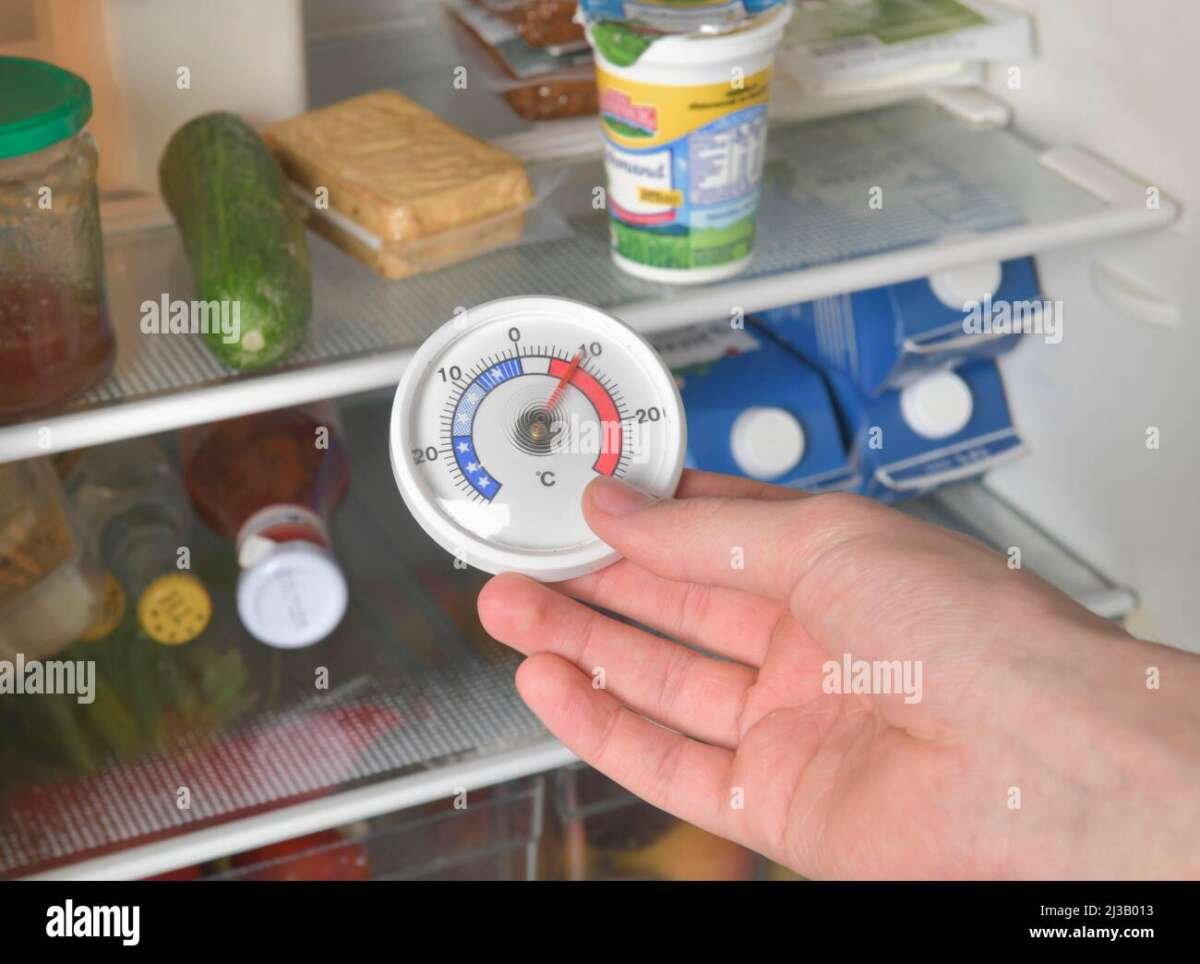
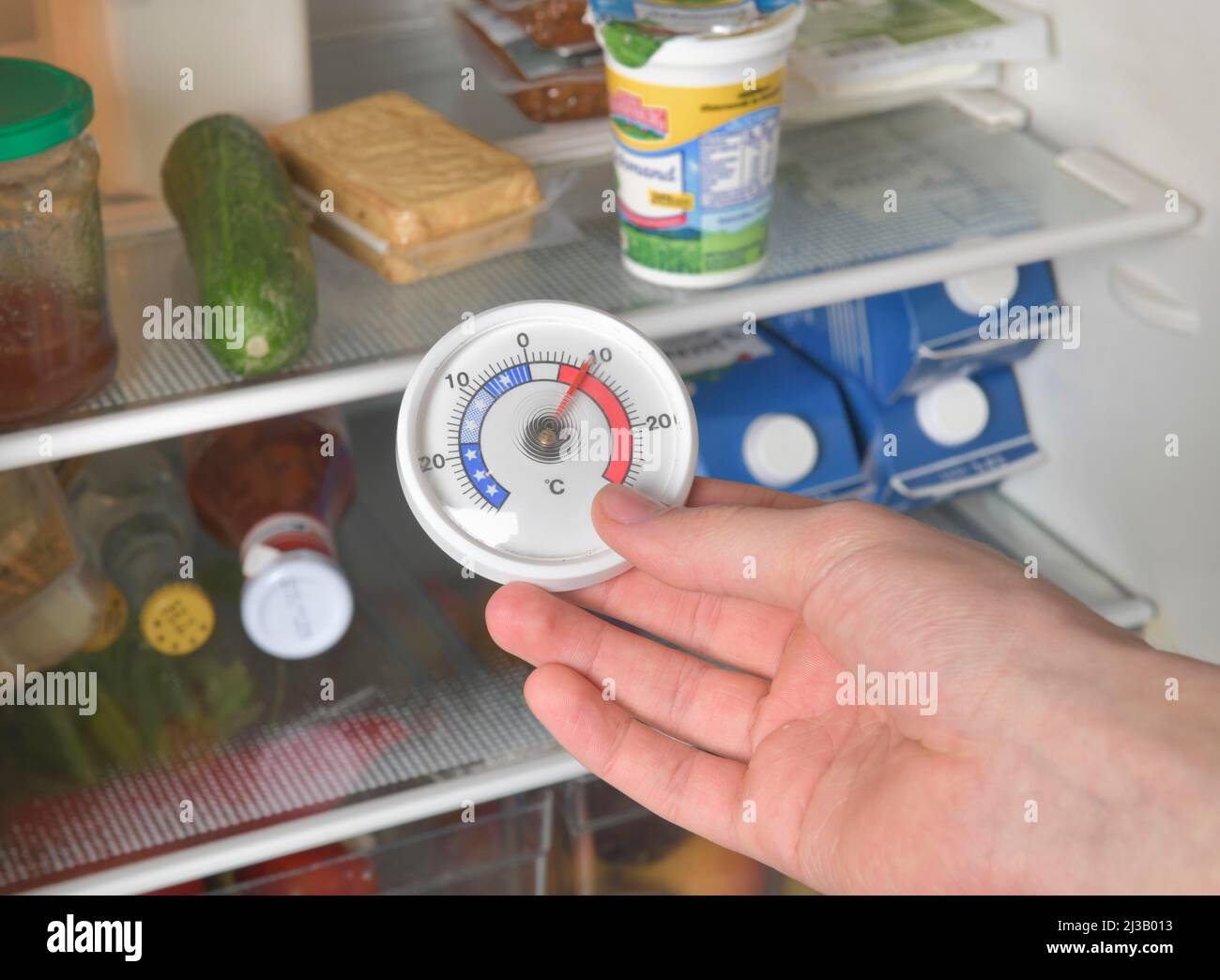
The best way to know how cold your fridge is is to use a separate appliance thermometer. The number on the fridge dial often shows a cooling level, not the actual air temperature.

What Temperature Should a Refrigerator Be?
The safe refrigerator temperature is 40°F or lower. The ideal working range for most homes is 35°F to 38°F.


The U.S. Department of Agriculture and the U.S. Food and Drug Administration advise keeping perishable food at 40°F or below. Bacteria can grow quickly above that point, even when food still looks and smells normal.
Use these temperatures as a simple guide:
| Refrigerator area or setting | Recommended temperature |
|---|---|
| Main refrigerator compartment | 35°F–38°F |
| Maximum safe temperature | 40°F or below |
| Freezer | 0°F |
| Fresh food drawer | Often close to the main compartment, depending on the model |
| Refrigerator door | Usually warmer than the center shelves |
A fridge set to 37°F may show a different temperature in real use. Door openings, warm groceries, blocked vents, and room temperature can all change the result.
Why 37°F is a useful target
A 37°F setting leaves about a 3-degree safety margin below the USDA limit. It also helps reduce the chance of freezing milk, lettuce, fruit, and other foods that may be damaged by frost.
Do not try to make the entire refrigerator as cold as a freezer. Most fresh foods do not need temperatures near 32°F, and some may freeze before the display reaches that number.
How to Check the Temperature Inside Your Fridge
Use a refrigerator thermometer placed in the middle of the main compartment. This gives a more useful reading than a quick look at a digital display or control dial.
Follow these steps:
- Place the thermometer on a center shelf. Keep it away from the door, cooling vent, and back wall.
- Leave it in place for at least 24 hours. The temperature changes during normal use.
- Check the reading before opening the door, if possible.
- Repeat the test in another area if food near the door seems warm or food near the back keeps freezing.
- Adjust the control in small steps. Wait another 12 to 24 hours before judging the change.
A thermometer filled with liquid, or a digital appliance thermometer made for refrigerators, can work well. Follow the thermometer maker’s instructions for placement and calibration.
What the fridge dial really means
A numbered dial does not always equal degrees Fahrenheit. On many models, a higher number means more cooling, not a colder temperature reading.
For example, changing a dial from 3 to 5 may make the refrigerator colder, but it does not mean the fridge is now 5°F. Check the owner’s manual for the correct adjustment method.


Where to measure
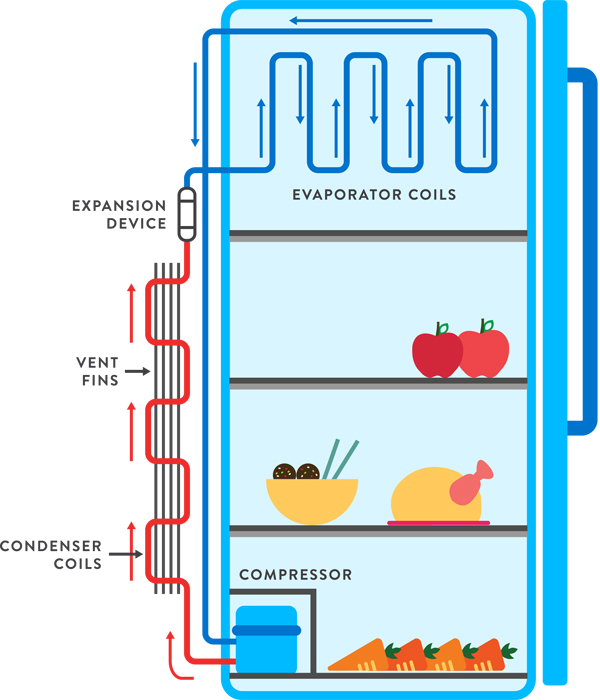
The coldest area is often near the back wall or a cooling vent. The warmest area is often the door. The center shelf usually gives the best general reading because it reflects the temperature of food stored in the main compartment.
Where Is the Coldest Part of a Refrigerator?
The coldest spot is often near the back of the lower shelves or close to an air vent. The door is usually the warmest part because it is exposed to room air each time the refrigerator opens.
Temperature zones vary by design, so treat these as general patterns rather than fixed rules.
- Back wall: Often coldest; food may freeze if it touches the wall.
- Lower shelves: Often colder than upper shelves.
- Upper shelves: Usually have a steadier temperature.
- Door shelves: Usually warmest; use them for condiments and drinks that do not spoil quickly.
- Crisper drawers: Designed to manage humidity, but their temperature still depends on the model.
- Meat or deli drawer: May be colder than the rest of the refrigerator.
Keep milk, eggs, raw meat, seafood, and other highly perishable foods in a cold interior area rather than in the door.
Why the door is warmer
Every door opening lets warm air in. Door shelves also sit near the outer wall, where they receive more heat from the room. This makes the door a poor place for foods that need the most protection.
Do not block the vents
Cold air must move through the refrigerator. Crowding food against an interior vent can create one very cold spot while leaving other areas too warm.
Leave space around vents and avoid packing the shelves so tightly that air cannot circulate.

Why Is My Fridge Too Warm or Too Cold?
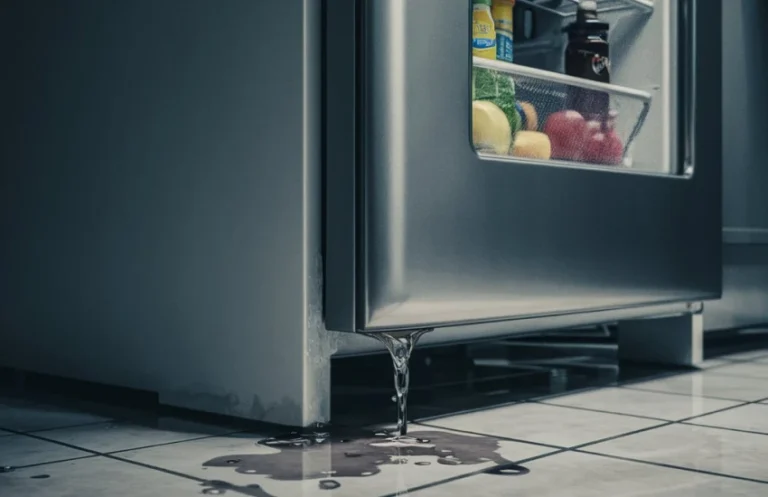
A refrigerator that is above 40°F may have a setting, airflow, seal, or mechanical problem. A refrigerator that freezes food may be set too cold, overloaded, or affected by a blocked vent.
If the fridge is warmer than 40°F
Check these causes in order:
- Confirm the reading. Use a separate thermometer, not only the display.
- Check the setting. The control may have been moved by accident.
- Inspect the door seal. Close the door on a sheet of paper. If the paper slides out easily, the gasket may not seal well.
- Look for blocked vents. Move food away from air outlets.
- Reduce door openings. Frequent opening can raise the temperature.
- Check the room. Very high heat can make cooling harder, especially for a refrigerator in a garage.
- Listen for unusual operation. Loud clicking, constant running, or no compressor sound may point to a fault.
If the refrigerator stays above 40°F after these checks, move perishable food to a working refrigerator or cooler. The USDA Food Safety and Inspection Service advises discarding perishable food that has been above 40°F for two hours or more. In a room above 90°F, that limit drops to one hour.
When the cause is not clear, contact the manufacturer or a qualified appliance technician.
If food is freezing
Try these steps:
- Raise the temperature slightly.
- Move food away from the back wall and vents.
- Check whether the refrigerator is in a very cold or very hot room.
- Make sure the temperature sensor is not covered.
- Test the temperature in more than one location.
Some foods may freeze even when the average refrigerator temperature is safe. Water-rich foods, such as leafy greens, berries, and some vegetables, are especially sensitive.


How Cold Should a Fridge Be for Different Foods?
Most perishable foods should stay at 40°F or below, but their best storage location can differ.
| Food | Good storage location |
|---|---|
| Milk and eggs | Center or lower interior shelf |
| Raw meat and seafood | Lowest shelf, in a sealed container |
| Leftovers | Covered containers on an interior shelf |
| Fresh produce | Crisper drawer, as directed by the food type |
| Condiments | Door shelf |
| Deli meat and cheese | Deli drawer or interior shelf |
| Butter | Door or covered compartment, if the model includes one |
Keep raw meat and seafood below ready-to-eat foods. This helps prevent leaking juices from contaminating food below or nearby.
Place leftovers in shallow containers so they cool more quickly. Do not put a large, steaming pot directly into a crowded refrigerator. Divide it into smaller containers first, while following safe food-handling practices.
A refrigerator should be cold, but it should not be used to cool unsafe food for an unlimited time. Refrigeration slows bacterial growth; it does not make spoiled food safe.

What Affects Refrigerator Temperature?
The temperature inside a fridge changes with use and surroundings. A stable thermometer reading depends on more than the control setting.
Key factors include:
- Door openings: More openings allow warm air inside.
- Room temperature: A hot kitchen or garage can increase the workload.
- Food load: A very empty fridge changes temperature faster. A very full fridge may block airflow.
- Air circulation: Covered vents can create uneven cooling.
- Door seals: A damaged gasket lets cold air escape.
- Defrost cycles: Many modern refrigerators warm slightly during automatic defrosting.
- Food placement: Items near the back wall or vent may freeze.
- Power interruptions: A closed refrigerator usually stays cold longer than an open one.
A short temperature rise does not always mean food is unsafe. The key questions are how warm the food became and how long it stayed there.
Refrigerators in garages
A garage refrigerator may struggle in very hot or very cold weather. Some models are not designed for large temperature swings. Read the appliance manual before relying on one for food storage.
Do not assume a garage refrigerator is safe simply because it runs. Check its internal temperature with a thermometer during the hottest and coldest parts of the year.
Refrigerator Temperature Mistakes to Avoid
Several common habits can make a refrigerator less safe or less efficient.
Trusting the dial alone
A dial setting is not proof of the actual temperature. Measure the air inside the refrigerator.
Storing milk in the door
The door is often the warmest zone. Store milk in the main compartment unless the manufacturer specifically provides a colder door section.


Packing food against the back wall
This can block airflow and cause freezing. It can also hide spills and make cleaning harder.
Overfilling the refrigerator
A packed refrigerator may have poor air circulation. Leave room around vents and do not force containers into place.
Leaving the door open
Plan what you need before opening the door. Close it as soon as possible.
Keeping questionable food because it smells fine
Harmful bacteria may not change a food’s smell, taste, or appearance. When time and temperature are uncertain, use official food-safety guidance rather than smell alone.

Frequently Asked Questions
Is 38°F cold enough for a refrigerator?
Yes. A refrigerator at 38°F is below the 40°F food-safety limit and is within a practical target range for fresh food.
Is 35°F too cold for a fridge?
No, but some foods may freeze at or near 32°F. If food is freezing at 35°F, move it away from the back wall and vents, then check the temperature with a separate thermometer.
Is 40°F safe for a refrigerator?
40°F is the maximum recommended temperature for refrigerated perishable food. A target of 35°F to 38°F gives you more room for normal temperature changes.
How long does food stay cold when the power goes out?
A closed, full refrigerator can usually keep food cold for about four hours, according to the USDA. Keep the door closed and use a thermometer when power returns. Discard perishable food that has been above 40°F for two hours or more.
Should a refrigerator be colder in summer?
The safe target does not change. However, a hot room can make it harder for the appliance to maintain that target. Check the temperature and consult the owner’s manual before making a large adjustment.

Conclusion
Keep your refrigerator at 40°F or below, with 35°F to 38°F as a useful everyday range. A setting near 37°F works well for many U.S. households, but the actual temperature matters more than the dial position.
Place a refrigerator thermometer on a center shelf and check it after 24 hours. If the reading stays above 40°F, or if food repeatedly freezes, check the seal, vents, airflow, room temperature, and appliance manual before calling for service.

Appliance Review Expert
Lucas Ramirez is a trusted voice at HomeFixGrid.com, known for his clear, practical, and creatively written guides that simplify appliance care for everyday homeowners. With a strong focus on hands-on testing and real-world problem-solving, Lucas brings expert insight into appliance reviews and troubleshooting techniques. Her work empowers readers to confidently maintain, repair, and choose the right appliances for their homes.