Best Type Of Mattress For Lower Back Support: Top Picks
The best type of mattress for lower back support is a medium-firm hybrid with steady lumbar support and gentle pressure relief.
If your back feels stiff when you wake up, your mattress may be part of the problem. A bed that sinks too much can pull your hips out of line, while a rock-hard surface can press on your shoulders and hips. I tested these options by looking at firmness, support, foam feel, motion control, safety certifications, and value. I also included helpful mattress support pads and lumbar pillows for sleepers who need a quick fix.
Lumbar Support Pillow for Back Pain

This memory foam lumbar pillow is a simple way to add support when your current mattress feels close to comfortable but leaves a gap beneath your waist. Its curved shape helps fill that space for side, back, and stomach sleepers. The foam gives a soft cushion without feeling like a loose throw pillow. I like this design for people who need focused support but are not ready to replace a whole mattress.
The cooling cover may help reduce the warm feel that some memory foam pillows create. You can also use it in a car, on a sofa, or behind your back while reading in bed. Keep in mind that a pillow cannot correct a deeply sagging mattress. It works best as an affordable add-on for targeted lower back comfort.
Pros:
- Supports the natural curve of the lower back
- Useful for side, back, and stomach sleepers
- Memory foam offers steady, shaped support
- Portable for use in a car or chair
- Costs far less than a new mattress
Cons:
- May feel too thick for petite sleepers
- Does not repair a sagging mattress
- Foam may need time to air out after opening
My Recommendation
I recommend this lumbar pillow for sleepers who like their mattress but need more waist support. It can also help renters, guest-room users, and people who spend long hours sitting. For someone searching for the best type of mattress for lower back support on a budget, this is a useful first step, not a full replacement for a supportive bed. Its value is strongest when the mattress itself is still in good shape.
BedStory 14-Inch Firm Hybrid Mattress

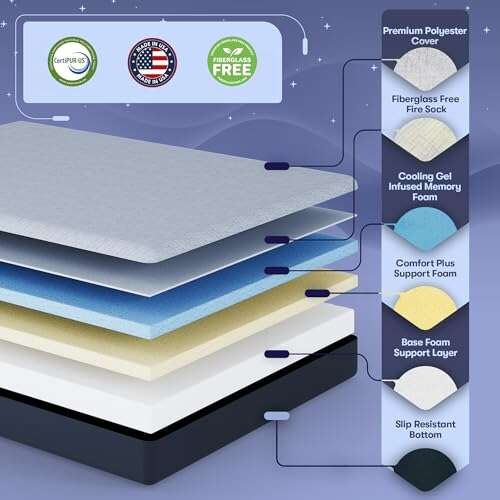
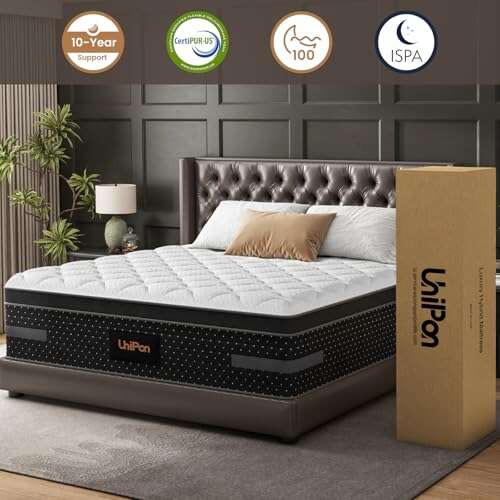
The BedStory 14-inch hybrid combines pocketed coils with comfort foam. That mix gives the mattress a more lifted feel than an all-foam bed. The coil unit aims to support the spine while the upper layers soften pressure around the shoulders and hips. For many sleepers, this balance explains why a medium-firm hybrid remains a leading answer to the question, “What is the best type of mattress for lower back support?”
The pocket springs may also reduce motion transfer compared with traditional connected coils. That feature matters when one person turns or gets up at night. The 14-inch build gives the bed a substantial feel, but it may need a strong frame with close slat spacing. Firmness is personal, so lighter sleepers may find it firmer than expected.
Pros:
- Hybrid design balances lift and cushioning
- Pocket coils support the center of the body
- Motion isolation suits couples
- Thick profile provides a substantial bed feel
- CertiPUR-US certified foam is a useful material check
Cons:
- May feel too firm for light side sleepers
- Needs proper bed-frame support
- Large boxed mattress can be hard to move alone
My Recommendation
This mattress suits back sleepers, combination sleepers, and couples who want a firm hybrid surface. I would place it high on the list for people who need strong support without giving up all cushioning. It is a good candidate for the best type of mattress for lower back support when you prefer a lifted, spring-backed feel. Always allow the mattress to expand fully before judging its firmness.
Lumbar Pillow With Cooling Gel

This lumbar support pillow adds a shaped layer between your lower back and the mattress. Its memory foam core molds around the waist and can reduce the empty space that often causes discomfort. The cooling gel layer is designed to help manage heat during sleep. I see it as a practical choice for people who want more support but do not need a new bed yet.
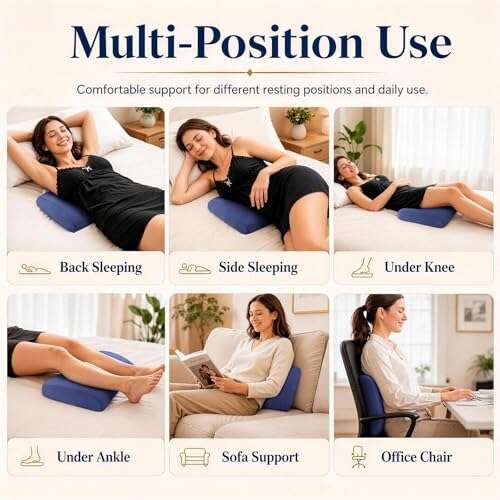
The pillow can work under the waist when you sleep on your back or between the body and mattress for side sleeping. It may also support the back while you sit on a sofa or travel in a car. The right height matters, since too much lift can feel just as awkward as too little. Give your body several nights to adjust before deciding if the shape works for you.
Pros:
- Cooling gel may reduce heat buildup
- Contoured shape supports the lumbar area
- Works in bed, on a sofa, or in a car
- Can improve comfort without replacing the mattress
- Helpful for several sleeping positions
Cons:
- Support depends on choosing the right placement
- May not suit sleepers who dislike firm foam
- Cannot solve a worn-out mattress foundation
My Recommendation
I recommend this pillow to warm sleepers who want focused lower back support. It is especially useful for a guest bed, office chair, or mattress that feels slightly too flat in the lumbar area. It is not the best type of mattress for lower back support because it is an accessory, but it can make a reasonable mattress feel more balanced. Its low cost makes it a sensible trial before a larger purchase.
Back Science Essentials Queen Mattress

The Back Science Essentials mattress focuses on zoned support and a firmer lumbar area. This type of design tries to keep the midsection from sinking too far while allowing other areas to rest more naturally. That can help sleepers who feel their hips drop below their shoulders. The mattress is made in the United States, which may appeal to shoppers who value domestic production.
A firm center does not automatically mean better support for every body. A heavier sleeper may enjoy the added resistance, while a light side sleeper may want more cushioning at the hip. I would pair this mattress with a flexible pillow that keeps the neck level. Its targeted structure makes it different from a flat, uniformly firm foam mattress.
Pros:
- Targeted lumbar zone supports the midsection
- Designed with spinal alignment in mind
- Firm feel may suit back and stomach sleepers
- Made in the USA
- Useful for shoppers who dislike deep sink
Cons:
- Firm feel may create pressure for side sleepers
- Less contour than plush memory foam
- Zoned designs may require an adjustment period
My Recommendation
This is a strong match for people who prefer a firm bed and want extra attention on the lumbar region. It may suit stomach sleepers, back sleepers, and heavier adults who often feel softer beds collapse beneath them. For those users, this could be the best type of mattress for lower back support because it limits deep mid-body sink. I would not choose it blindly for a petite side sleeper.
TANYOO High-Density Sagging Mattress Support Pad

The TANYOO support insert is made for a mattress that sinks in one area. It sits under the mattress and adds a firm layer across a problem spot. This approach can reduce the hammock effect caused by weak slats, a worn foundation, or an aging mattress. It may extend the useful life of a bed when the sag is mild and the mattress is otherwise comfortable.
Measure the frame and the sag before ordering any support board or foam insert. A support pad cannot restore damaged springs or badly broken foam. It also changes the feel of the bed, so the surface may become firmer in the area above it. Still, it is a smart repair option for shoppers who need relief now and want to delay a full mattress purchase.
Pros:
- Helps reduce a localized sag
- May extend the life of an older mattress
- High-density material adds firm support
- Lower cost than replacing a queen mattress
- Useful for weak or uneven bed areas
Cons:
- Does not repair damaged mattress springs
- May create a noticeable firm spot
- Correct sizing is essential
My Recommendation
I recommend this insert for a temporary or budget repair. It suits sleepers whose mattress feels fine except for one sinking zone. It is not a true replacement for the best type of mattress for lower back support, but it may restore enough lift to improve alignment. Check the bed frame, center support, and slats first, since the base may be the real cause of the sag.
BedStory 12-Inch Firm Hybrid Mattress

This 12-inch BedStory hybrid offers a firm sleep surface with foam comfort above individually wrapped coils. Its design aims to keep the spine level while still cushioning common pressure points. Compared with a very soft bed, the surface should make it easier to change positions. That can matter when back pain makes turning in bed feel like moving through wet sand.
The fiberglass-free construction and CertiPUR-US certified foam are useful details for shoppers who read material labels closely. A 365-night trial gives the body time to adapt and gives you time to test the mattress in every sleep position. The included warranty adds confidence, but always read the current terms before purchase. Because it arrives compressed, allow proper expansion before measuring or sleeping on it.
Pros:
- Firm hybrid feel supports easy movement
- Extra lumbar support targets the center of the body
- Fiberglass-free design may reassure careful shoppers
- 365-night trial offers a long test period
- Ten-year warranty adds long-term value
Cons:
- Firm surface may not cushion broad hips enough
- May feel different from the listed firmness after expansion
- Requires a sturdy base with proper slat spacing
My Recommendation
This is one of my better choices for back sleepers who want firm support at a fair value. It also fits combination sleepers who dislike the stuck-in-foam feeling. If you want the best type of mattress for lower back support with a trial period, this model offers a useful way to test the feel at home. Side sleepers should add a suitable pillow and confirm that the hip has enough cushion.
14-Inch Firm King Hybrid Mattress

This king-size hybrid is built for couples and sleepers who want more room to spread out. Its zoned support system is intended to give stronger support through the back and hip area. A spring core adds bounce, while the comfort layers help soften contact with the surface. The larger size also reduces the chance that one partner will crowd the other into an awkward sleep position.
The 14-inch profile gives the mattress a tall, finished look, but it can make fitted-sheet selection important. A king bed also needs a frame with reliable center support. Motion control may be helpful for couples, though no spring mattress removes movement completely. The fiberglass-free construction, trial period, and warranty improve its overall shopping appeal.
Pros:
- King size gives couples generous sleeping space
- Zoned support helps reinforce the lumbar area
- Hybrid structure combines bounce and cushioning
- Fiberglass-free construction is a practical feature
- Long trial and warranty support a lower-risk purchase
Cons:
- King mattresses cost more and weigh more
- Needs a strong frame with center support
- Firm feel may not suit every side sleeper
My Recommendation
I would choose this model for couples who need space, support, and a firm hotel-style feel. It is also a good option for larger sleepers who want a wider surface and less edge crowding. For a shared bedroom, this may be the best type of mattress for lower back support when zoned support and room to move both matter. Measure your room and frame before ordering this large mattress.
60 x 24-Inch Foam Mattress Support Board

This 2-inch high-density foam board is designed to sit below the mattress and add support where a bed feels weak. Its 60-by-24-inch size targets part of a larger sleep surface rather than covering the full foundation. That makes it useful when one area sinks more than the rest. It can also help shoppers test a firmer base before buying a new mattress.
Before using it, inspect the frame and look for broken slats or a missing center rail. A support board may hide the symptom without fixing the cause. The added firmness can improve lift under the hips, but it may also make that section feel less plush. I recommend measuring twice because even a small size mismatch can cause shifting or uneven support.
Pros:
- High-density foam adds firm under-mattress support
- Targets a specific weak or sinking area
- Compact size is easier to handle than a full board
- May help delay a costly mattress replacement
- Useful for testing a firmer bed feel
Cons:
- Only covers a limited section of the bed
- Can make one area feel firmer than another
- Requires careful measurement before purchase
My Recommendation
This support board suits anyone with a mild, localized sag or a flexible foundation. It is a repair tool, not a complete sleep system. If your whole mattress has lost its shape, a new hybrid mattress is a better answer than placing foam under one section. Used correctly, however, it can improve lower back comfort at a modest price.
Gelsea 8-Inch Firm Gel Memory Foam Mattress

The Gelsea is a compact 8-inch gel memory foam mattress with a firm feel. Its all-foam build absorbs movement well, so it may work nicely for a guest room or a couple with different schedules. The foam contours around the body while the firm profile limits excessive sink. That combination can support a neutral spine for some back sleepers.
An 8-inch mattress has less depth than the hybrid models in this guide. It may feel less substantial for heavier adults, especially on a flexible frame. The gel layer may reduce heat compared with basic memory foam, but no foam mattress stays cool for every sleeper. I would place this model on a rigid, well-supported base for the most stable result.
Pros:
- Firm foam supports a stable sleep position
- Memory foam reduces partner movement
- Gel layer may help manage warmth
- Compact profile suits guest rooms and small spaces
- Fiberglass-free and CertiPUR-US certified
Cons:
- Eight-inch height may lack depth for heavier users
- Less bounce than a hybrid mattress
- May feel too firm for many side sleepers
My Recommendation
I recommend this mattress for back sleepers, guest rooms, apartments, and shoppers who want a lower profile. It can be a good value when you prefer the quiet feel of foam. For heavier users or people who need strong edge support, a pocket-coil hybrid is likely a better choice for the best type of mattress for lower back support. Use a firm, level foundation to prevent added sag.
HOMBYS 2-Inch Sagging Mattress Support Pad

The HOMBYS support pad is made for beds with a sag of about one to two inches. Its high-density foam adds a firm layer below the mattress and may reduce the downward pull beneath the hips. This can help a bed feel more level without the cost or hassle of replacing the full mattress. The 60-by-24-inch format is suited to targeted support rather than full-bed coverage.
As with any under-mattress fix, the bed frame needs inspection first. If the frame bends or the slats sit too far apart, the pad may not solve the problem for long. The firm insert can change pressure at the hips, so I would test it for several nights. It works best as a practical repair for a mattress that has some life left.
Pros:
- Designed for moderate mattress sag
- High-density foam adds support below the bed
- Can reduce hip and lumbar sink
- Less expensive than a new mattress
- Easy to use under an existing mattress
Cons:
- Does not cover the full mattress area
- May feel too firm for some sleepers
- Cannot fix severe mattress damage
My Recommendation
This pad is best for a budget-minded sleeper who has found the source of a small sag. It may be especially helpful in an older guest bed or a bed used by one person. I would not use it as a long-term substitute for a supportive mattress if the whole surface feels tired. For a small defect, though, it can restore useful lift and make the bed more comfortable.
How to Choose the Best Type of Mattress for Lower Back Support
When shoppers ask me about the best type of mattress for lower back support, I start with alignment rather than a brand name. Your spine should stay close to its natural shape while you sleep. Your hips should not sink far below your shoulders. At the same time, your shoulders and hips need enough cushion to avoid sharp pressure.
For most adults, a medium-firm mattress offers the most useful middle ground. Research on mattress firmness has found that medium-firm surfaces can support comfort and spinal alignment for many people with lower back pain. That does not mean every sleeper needs the same feel. Body weight, sleep position, shape, age, and personal comfort all change the result.
Medium-Firm Versus Firm
A medium-firm mattress gives some cushion while resisting deep sink. It often works well for back sleepers and combination sleepers. A firm mattress may suit stomach sleepers or heavier adults who compress softer materials quickly. However, very firm does not mean very supportive if it leaves a gap beneath your lower back or creates pressure at your hips.
I tell side sleepers to be careful with firm beds. A side sleeper needs enough surface give for the shoulder and hip. If those areas cannot sink a little, the spine may bend sideways. A medium or medium-firm hybrid often gives better balance than a hard all-foam slab.
Why Hybrid Mattresses Often Work Well
A hybrid mattress uses coils and foam. The coils provide lift, edge support, airflow, and easier movement. Foam adds pressure relief and helps fill the curves of the body. This blend is why I often recommend a medium-firm hybrid as the best type of mattress for lower back support for a broad range of sleepers.
Look for individually wrapped coils when motion control matters. Zoned coils can add stronger support under the waist and hips. A reinforced edge may help you sit on the side of the bed and use the full sleep surface. These features do not guarantee comfort, but they are useful attributes to compare.
When Memory Foam Makes Sense
Memory foam can reduce motion and cushion pressure. It can also create a close body-hugging feel that some sleepers love. For lower back support, choose foam that responds rather than collapses. If you feel trapped or notice your hips sinking too low, the mattress may be too soft or too slow to recover.
Gel foam may help with heat, but cooling claims should be viewed with care. Room temperature, sheets, body size, and airflow also affect sleep temperature. A breathable cover and a cool bedroom can matter as much as a gel layer. If you sleep hot, a hybrid usually allows more airflow than a dense all-foam bed.
Support Is Not the Same as Hardness
Firmness describes how the surface feels. Support describes how well the mattress keeps your body level. A soft mattress can support a light sleeper well, while a firm mattress can support a heavier sleeper poorly if it lacks enough depth. This is one of the most common mistakes people make when shopping for back support.
Try to judge the whole body, not only the lower back. When lying on your back, your waist should have light contact with the mattress without a large hollow gap. When lying on your side, your nose, chest, and belly button should stay in a fairly straight line. When lying on your stomach, your hips should not drop into a deep curve.
Check the Foundation and Bed Frame
Even the best type of mattress for lower back support can feel poor on a weak base. A bent slat, missing center rail, or wide slat gap can make a new mattress sag. Check the manufacturer’s base rules before setup. Many foam and hybrid mattresses need close, even support across the frame.
If the mattress sags only in one spot, inspect the foundation first. Rotate the mattress if the care instructions allow it. Do not flip a one-sided mattress unless the manufacturer says you can. A support board may help as a short-term fix, but a badly damaged foundation needs repair or replacement.
Match the Mattress to Your Sleep Position
Back sleepers usually need balanced support under the lumbar area. A medium-firm hybrid or zoned mattress often fits this need. Side sleepers usually need more pressure relief at the shoulder and hip. A medium or medium-firm mattress with responsive foam may work better than a very firm design.
Stomach sleepers need to limit hip sink. A firmer mattress can help keep the pelvis from dropping too far. Combination sleepers should look for a surface that allows easy movement. If you change positions often, excessive memory foam sink may make the bed feel like a hole.
Think About Body Weight
Heavier sleepers place more force on the comfort layers. A mattress that feels firm in a showroom may feel softer at home. Look for a strong coil system, durable edge support, and enough thickness. A 12- to 14-inch hybrid often offers more depth than a thin foam model.
Lighter sleepers may not compress firm materials much. They can feel more pressure at the shoulders and hips. A mattress labeled firm may feel extra firm to a smaller person. A thick comfort layer or a soft topper can sometimes improve surface comfort without harming support.
How Long Should You Test a Mattress?
Your body may need several nights to adjust to a new mattress. I suggest using the full trial period when possible, as long as the mattress does not cause severe pain. Sleep in your normal positions and use your usual pillow. Test the bed for edge support, heat, motion, and morning comfort.
Do not judge a boxed mattress during the first few hours. Foam may need time to expand and release its packaging smell. Follow the setup instructions and protect the mattress if the trial terms require a cover. Check the return policy before buying, since some companies require a minimum number of nights.
Mattress Safety and Material Labels
CertiPUR-US certification applies to certain foam materials and tests for content, emissions, and durability factors. It is a useful label, but it does not tell you whether the mattress will fit your body. Fiberglass-free construction may matter to shoppers who want clear information about fire barriers. Always read the current product details because materials and policies can change.
Use a clean, breathable mattress protector. Keep the room ventilated when opening a compressed bed. If you have asthma, allergies, or a known sensitivity, review the material list and ask your health professional for advice. A safe mattress should also sit on a stable base with no sharp edges or broken parts.
When Back Pain Needs Medical Care
A mattress may affect comfort, but it cannot treat every cause of back pain. Seek medical care for severe pain, weakness, numbness, loss of bladder or bowel control, fever, or pain after a serious injury. Pain that lasts or worsens also deserves professional attention. A doctor or physical therapist can help identify the cause.
Good sleep posture, gentle movement, safe lifting, and a suitable pillow can all help. If you sleep on your back, a small pillow under the knees may reduce strain for some people. Side sleepers may feel better with a pillow between the knees. These simple changes can work with a supportive mattress rather than trying to make the mattress do everything.
Best For Comparison
| Best for | Why |
|---|---|
| Most back and combination sleepers | A medium-firm hybrid balances lumbar lift, pressure relief, airflow, and easy movement. |
| Firm-bed fans and stomach sleepers | A zoned or firm mattress limits deep hip sink and keeps the midsection more level. |
| Budget repairs | A lumbar pillow or high-density support pad can improve a good mattress without full replacement. |
My Recommendation
After comparing the support style, materials, size, and value, I would start with the BedStory 12-inch Firm Hybrid for most back sleepers. It offers a useful mix of firm support, coil lift, comfort foam, a long trial, and a warranty. Couples who need a king bed may prefer the 14-inch zoned hybrid. Sleepers who strongly prefer a firm, targeted feel should consider the Back Science Essentials mattress.
The best type of mattress for lower back support is not simply the hardest mattress you can find. It is the one that keeps your spine level, cushions pressure points, and prevents your hips from sinking too far. Choose the mattress that matches your sleep position and body type. If your current bed only needs a small boost, try the lumbar pillow or support pad before replacing it.
FAQs Of best type of mattress for lower back support
What is the best mattress firmness for lower back support?
Medium-firm is a strong starting point for many adults. It offers support without creating too much pressure. Your sleep position and body weight still matter, so firmness should not be judged by the label alone.
Is a firm mattress better for lower back pain?
Not always. A firm mattress can help limit hip sink, but an overly hard surface may create pressure at the shoulders and hips. The best type of mattress for lower back support keeps your body level while still allowing gentle cushioning.
Are hybrid mattresses good for back support?
Yes. A hybrid can combine the lift of coils with the pressure relief of foam. A medium-firm hybrid with zoned lumbar support is often a practical choice for back and combination sleepers.
Can a mattress topper fix lower back pain?
A topper may change surface comfort, but it cannot repair deep sagging or weak springs. If the mattress is too hard, a suitable topper may add cushion. If the bed sinks too much, a firmer base or a new mattress is usually a better solution.
How do I know if my mattress is hurting my back?
Look for morning stiffness, visible sagging, poor hip alignment, and better comfort on another bed. Also check the frame and slats. Persistent or severe pain needs medical advice, not only a mattress change.
Final Verdict: Which Should You Buy?
For most sleepers, I recommend the BedStory 12-inch Firm Hybrid. It delivers steady support, useful cushioning, and a long trial. The 14-inch king hybrid is better for couples who need space.
The best type of mattress for lower back support keeps your spine neutral without feeling hard as a board. Choose support that matches your body, sleep position, and budget.

Appliance Review Expert
Lucas Ramirez is a trusted voice at HomeFixGrid.com, known for his clear, practical, and creatively written guides that simplify appliance care for everyday homeowners. With a strong focus on hands-on testing and real-world problem-solving, Lucas brings expert insight into appliance reviews and troubleshooting techniques. Her work empowers readers to confidently maintain, repair, and choose the right appliances for their homes.